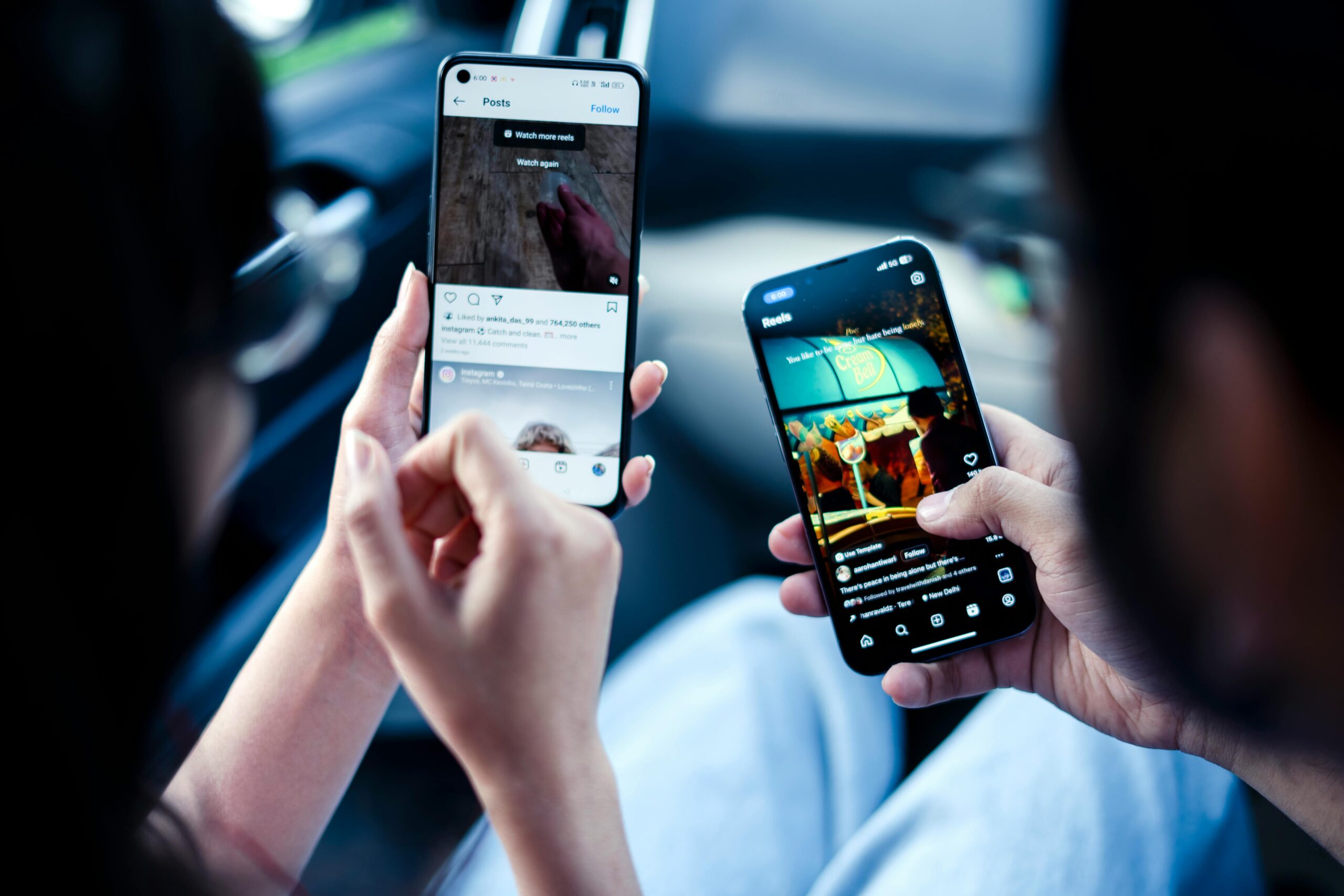

In a World More Connected Than Ever, Why Do So Many People Feel More Alone?
A few decades ago, maintaining friendships required effort.
People met face-to-face.
They wrote letters.
They made phone calls.
They spent time together because there was no alternative.
Today, we can communicate with someone on the other side of the world instantly.
A simple message, video call, or social media post can keep us connected 24 hours a day.
Yet despite having more ways to communicate than any generation before us, loneliness is becoming one of the defining challenges of modern life.
This raises an important question:
Is technology bringing us closer together—or quietly pushing us apart?
The answer is far more complex than a simple yes or no.
The Most Connected Generation in History
Never before have humans had so many tools for staying connected.
Through smartphones and social media, we can:
✔ Message friends instantly
✔ Share life updates in real time
✔ Join communities across the world
✔ Maintain relationships across continents
✔ Find people who share our interests
Distance is no longer the barrier it once was.
Friendships that might have faded decades ago can now survive through daily digital interactions.
Technology has undoubtedly expanded our ability to stay in touch.
But staying in touch and feeling connected are not always the same thing.
“Being connected is not the same as feeling connected.”
When Likes Replace Conversations
Social media has changed how friendships operate.
Many interactions today happen through:
- Likes
- Comments
- Reactions
- Stories
- Short messages
These interactions create a sense of connection.
But they often lack the depth of meaningful conversations.
A friend may know what you ate for breakfast, where you travelled, and what movie you watched.
Yet they may not know how you are truly feeling.
The result is a strange paradox:
We know more about each other’s lives than ever before, while sometimes understanding each other less.
The Rise of Online Communities
Not all digital friendships are shallow.
In fact, some of the strongest friendships today begin online.
Gamers form lifelong friendships.
Professionals build global networks.
Book lovers, artists, entrepreneurs, and hobbyists connect through shared passions.
For many people, online communities provide something they struggle to find locally:
Belonging.
Someone living in a small town can now become part of a global community that understands their interests, ambitions, and experiences.
Technology has made friendship more accessible than ever before.
“The internet didn’t just change communication. It changed who we can become friends with.”
Why Loneliness Is Still Growing
Despite these advantages, loneliness continues to rise across many societies.
Experts believe several factors contribute to this trend:
- Less face-to-face interaction
- Busier lifestyles
- Increased mobility
- Digital distractions
- Surface-level communication
- Fear of vulnerability
Many people have hundreds of online connections but very few people they can truly rely on.
The quality of relationships often matters more than the quantity.
And genuine connection requires something technology cannot fully automate:
Time.
Attention.
Presence.
The Friendship Economy
An interesting shift is emerging among younger generations.
People are increasingly investing in experiences rather than possessions.
Coffee catch-ups.
Weekend trips.
Community events.
Sports clubs.
Networking groups.
People are actively seeking opportunities to build meaningful human relationships.
Why?
Because as life becomes more digital, authentic connection becomes more valuable.
Human interaction is becoming a premium experience.
What Will Friendship Look Like in 2035?
The future of friendship will likely combine both digital and physical experiences.
Artificial intelligence may help us communicate.
Virtual reality may create immersive social spaces.
Technology may remove distance completely.
But human beings will still crave the same things they have always craved:
- Trust
- Understanding
- Empathy
- Loyalty
- Shared experiences
No technology can fully replace these foundations.
The tools may change.
Human nature does not.
“The future of friendship isn’t less human. It may require us to become more human than ever.”
Final Thoughts
Technology has transformed how friendships begin, grow, and survive.
It has connected billions of people across borders, cultures, and time zones.
But the future of friendship is unlikely to be decided by technology alone.
It will be shaped by how we choose to use it.
The strongest friendships of tomorrow may not belong to those with the most followers, likes, or contacts.
They will belong to those who use technology to strengthen genuine human relationships rather than replace them.
Because at the end of the day, friendship has never been about the platform.
It has always been about the people.
“In an age of endless connections, genuine friendship may become life’s most valuable currency.”