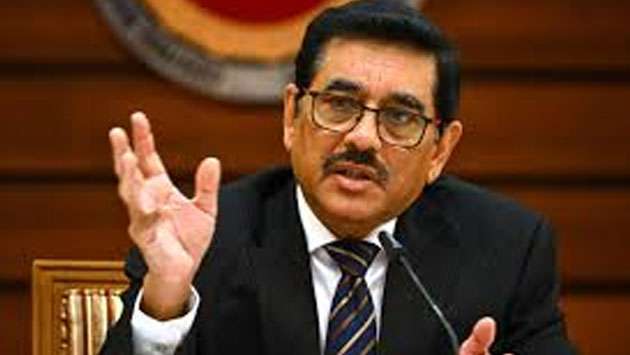
Sri Lanka’s economic recovery will require a stronger focus on exports and improved access to trade finance if the country is to achieve long-term growth and resilience, Central Bank Governor Dr. Nandalal Weerasinghe said yesterday.
Speaking at the launch of the National Export Development Plan (NEDP) 2026-2030, Dr. Weerasinghe highlighted the progress Sri Lanka has made in restoring macroeconomic stability following the unprecedented economic crisis of 2022. However, he stressed that maintaining this momentum would depend on the country’s ability to build a more diversified and competitive export sector.
According to the Governor, recent gains in external sector stability have been supported by the recovery of tourism and the continued strength of workers’ remittances. While these have provided valuable foreign exchange inflows, he noted that they cannot serve as the sole drivers of sustainable economic growth.
“Expanding exports is not simply a trade objective. It is a national economic necessity,” Dr. Weerasinghe said.
He explained that a dynamic export sector plays a critical role in generating foreign exchange earnings, creating productive employment opportunities, attracting investment, encouraging innovation, facilitating technology transfer, and strengthening the economy’s ability to withstand external shocks.
Despite its export potential, Sri Lanka continues to rely heavily on a limited range of products and markets. Garments and tea account for more than half of the country’s export earnings, while approximately 40 percent of exports are destined for the United States and European markets. This concentration, he noted, underscores the importance of diversification.
Dr. Weerasinghe welcomed the National Export Development Plan’s focus on addressing long-standing structural challenges that have constrained export performance. Key priorities outlined in the strategy include improving competitiveness, simplifying trade procedures, expanding market access, promoting innovation and entrepreneurship, and developing a skilled workforce capable of supporting future growth.
The Governor also identified trade finance as a vital component of Sri Lanka’s export ambitions.
Access to financial instruments such as letters of credit, export credit facilities, guarantees, supply chain financing, and working capital support enables businesses to manage risk, maintain production, and fulfil international orders with greater confidence and efficiency, he explained.
The challenge is particularly significant for small and medium-sized enterprises (SMEs), many of which face difficulties obtaining adequate financing despite their important contribution to employment and economic activity.
Dr. Weerasinghe said the Central Bank remains committed to fostering an environment that enables financial institutions to deliver trade finance solutions effectively and responsibly. Expanding access to these facilities, he noted, will be essential to helping exporters capitalise on new opportunities and achieve the targets set out in the NEDP.
Beyond financing, the Governor highlighted the Central Bank’s ongoing efforts to safeguard macroeconomic stability, strengthen the financial sector, and modernise the country’s payment infrastructure.
Initiatives aimed at advancing digital payments, improving financial inclusion, and enhancing connectivity with international payment networks are expected to make it easier for Sri Lankan businesses to participate in global commerce and access international markets.
Looking ahead, Dr. Weerasinghe expressed confidence in the potential impact of the National Export Development Plan, provided it is supported by effective implementation and strong collaboration among all stakeholders.
“If implemented successfully with commitment and coordination across both the public and private sectors, the National Export Development Plan can play a transformative role in driving sustainable economic growth, creating quality employment, strengthening foreign exchange earnings, and improving the country’s resilience to future global challenges,” he said.