
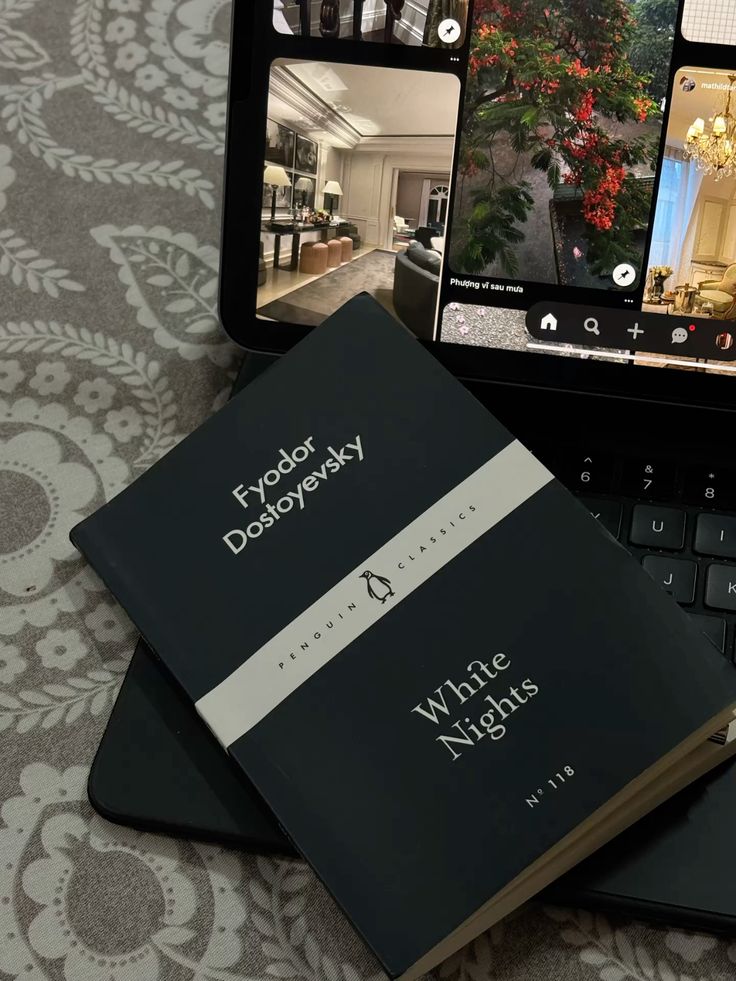
Why Fyodor Dostoevsky’s Timeless Classic Continues to Captivate Readers Nearly Two Centuries Later
There are books that tell stories.
Then there are books that quietly enter the reader’s soul.
Books that leave behind emotions rather than memories.
Books that feel less like fiction and more like experiences.
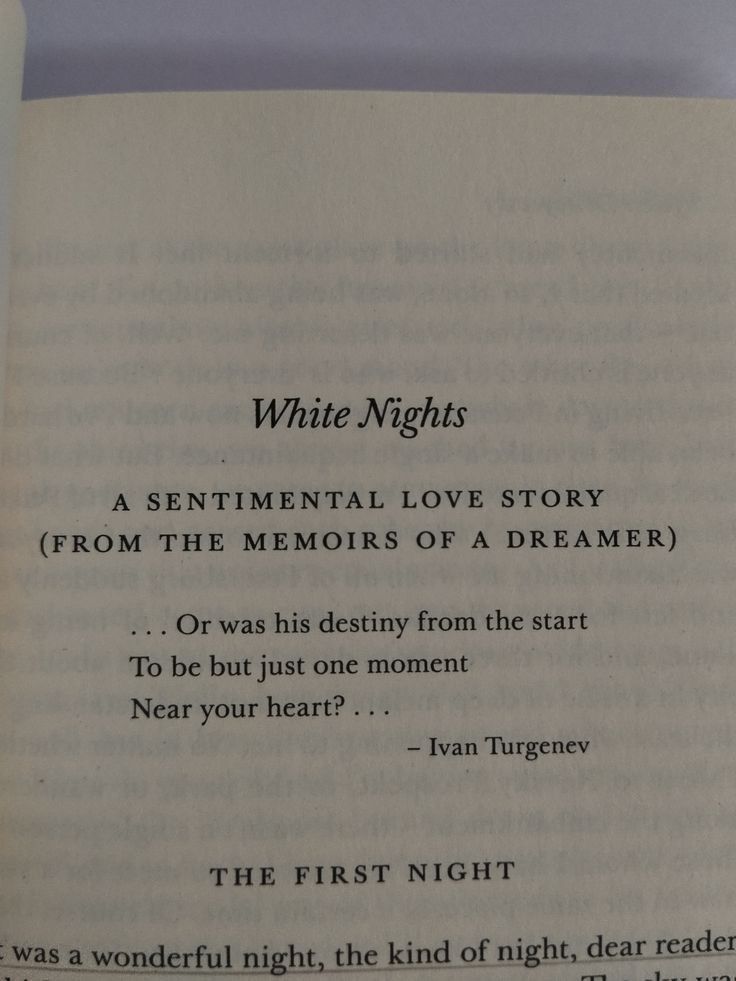
White Nights by Fyodor Dostoevsky is one such masterpiece.
Originally published in 1848, this remarkably short novella has survived nearly two centuries not because of grand adventures or elaborate plots, but because it captures something profoundly human: the universal longing to be seen, understood, and loved.
It is a story of loneliness.
A story of hope.
A story of fleeting happiness.
And perhaps one of the most beautiful explorations of unrequited love ever written.
For countless readers around the world, White Nights is not merely a book.
It is an emotional experience.
The Literary Genius Behind White Nights
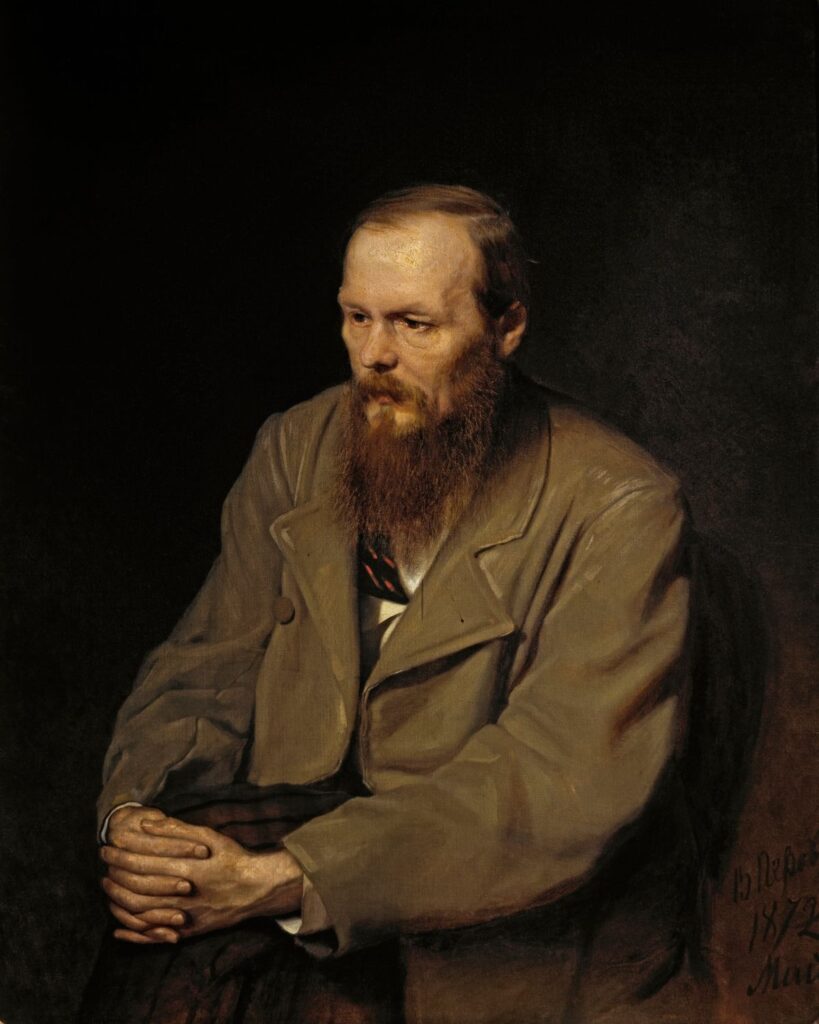
Before discussing the novel itself, it is impossible to ignore the extraordinary mind that created it.
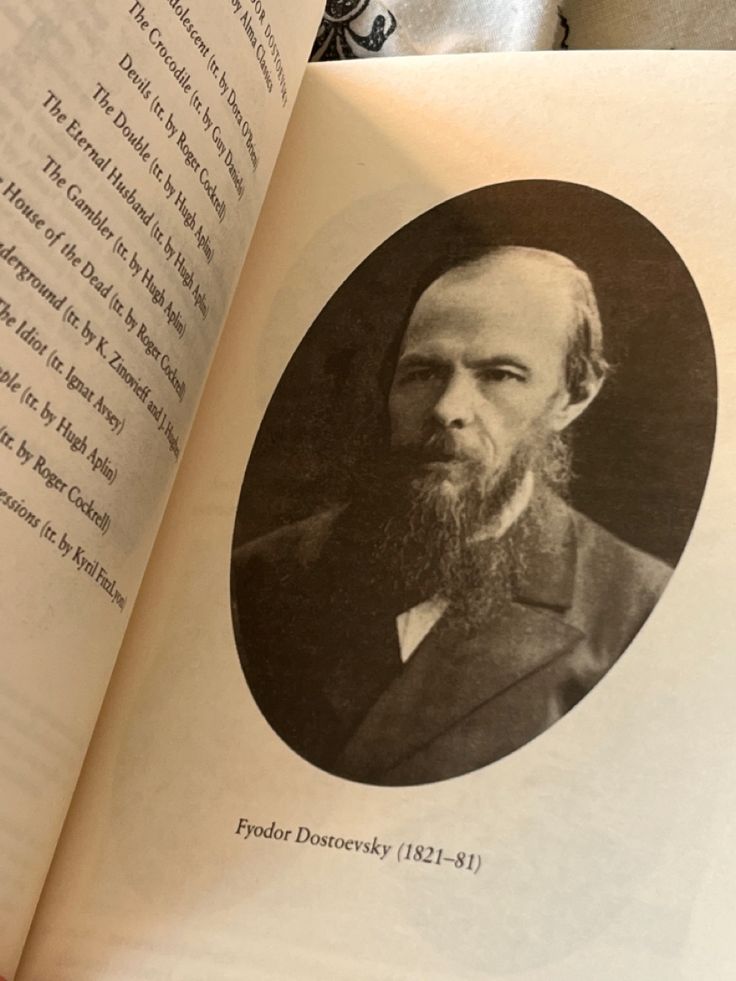
Fyodor Dostoevsky is widely regarded as one of the greatest writers in human history.
His influence extends far beyond literature into philosophy, psychology, politics, and religion.
Born in Moscow in 1821, Dostoevsky endured a life marked by hardship. He was arrested for political activities, sentenced to death, spared moments before execution, and exiled to Siberia for years.
These experiences transformed his understanding of human suffering and became the foundation of his literary brilliance.
Today, masterpieces such as Crime and Punishment, The Brothers Karamazov, and The Idiot continue to be studied in universities worldwide.
Yet among these monumental works lies a smaller, gentler story that many readers consider his most emotionally touching creation.
That story is White Nights.
A Story Built on Four NightsThe premise of White Nights is deceptively simple.
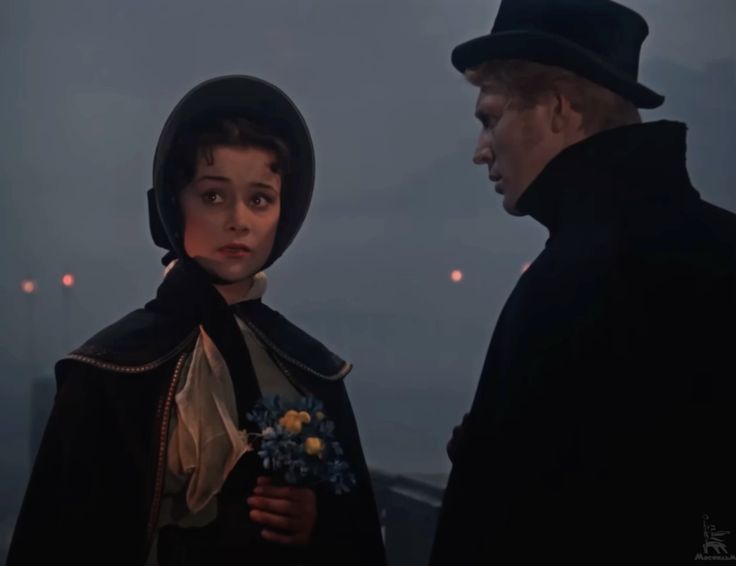
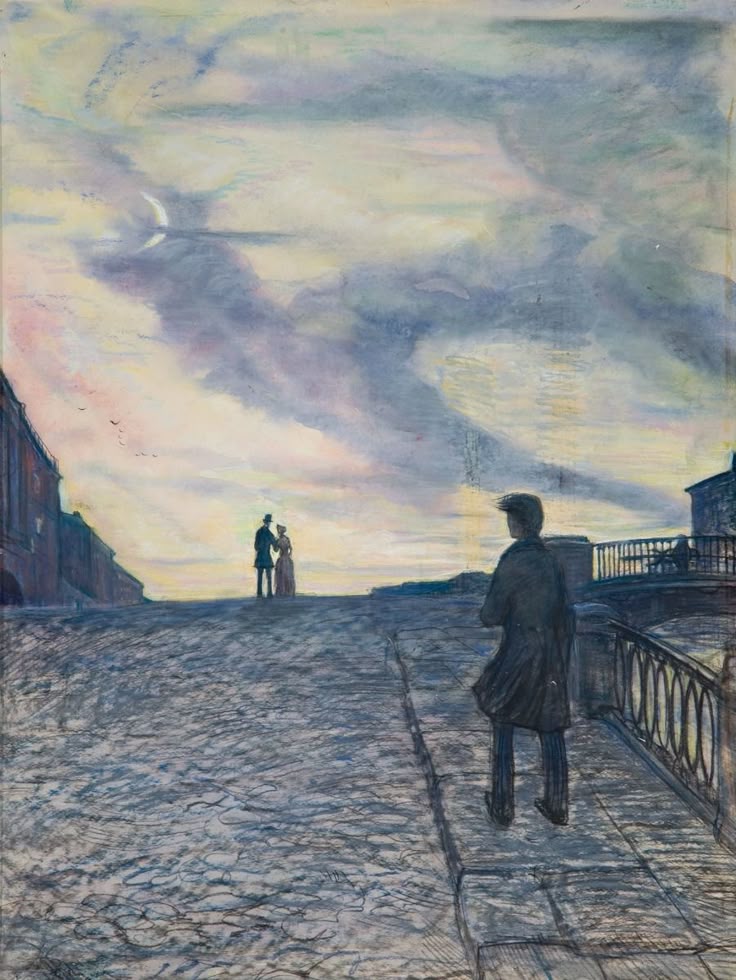
An unnamed young man, known only as “The Dreamer,” wanders the streets of Saint Petersburg.
He lives a lonely existence.
He has no close friends.
No meaningful relationships.
No great adventures.
Instead, he retreats into imagination and fantasy, creating entire worlds within his own mind.
One evening, during the famous White Nights of Saint Petersburg when darkness never completely arrives, he meets a young woman named Nastenka.
What begins as a chance encounter evolves into a series of conversations spread across four unforgettable nights.
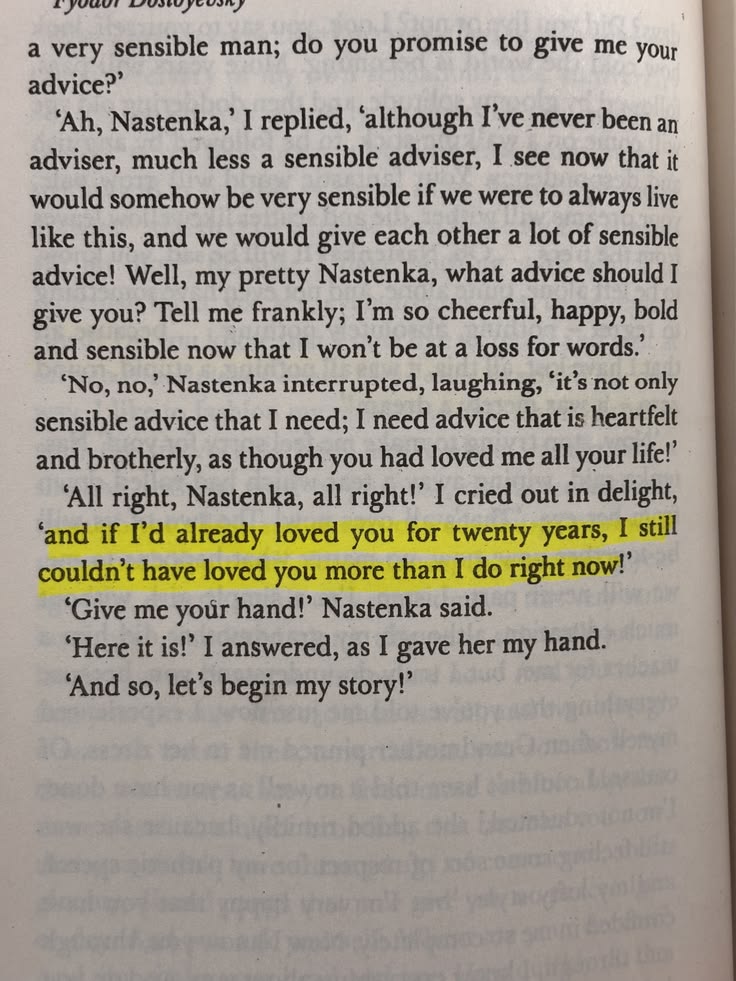
As they share their fears, hopes, dreams, disappointments, and desires, a deep emotional connection begins to emerge.
Yet beneath the growing affection lies a painful truth.
Sometimes the people who change our lives are not destined to remain in them.
The simplicity of this narrative is precisely what makes it so powerful.
There are no villains.
No conspiracies.
No dramatic twists.
Only human emotions in their purest form.
Why White Nights Feels So Personal
One of the reasons White Nights has remained beloved for generations is its remarkable emotional honesty.
Almost everyone has experienced loneliness.
Almost everyone has dreamed of finding someone who understands them.
Almost everyone has loved someone who could not love them back in the same way.
Dostoevsky understood these emotions with extraordinary precision.
The Dreamer is not a hero in the traditional sense.
He is shy.
Awkward.
Idealistic.
Overly sentimental.
Yet readers recognize themselves within him.
His longing for connection feels universal.
His vulnerability feels authentic.
His hopes feel painfully familiar.
This emotional realism is what transforms a simple story into a timeless masterpiece.
The Beauty of Temporary Happiness
Many love stories focus on lasting relationships.
White Nights focuses on something far more profound.
It asks whether a beautiful moment still has value even if it cannot last forever.
Dostoevsky’s answer is a resounding yes.
The novella suggests that happiness should not be measured solely by duration.
A single moment of genuine connection can illuminate an entire lifetime.
A brief encounter can transform a person forever.
A temporary love can still be meaningful.
This philosophy gives White Nights its enduring emotional power.
Readers often finish the story with tears in their eyes, yet also with a strange sense of gratitude.
It is heartbreaking.
But it is heartbreak infused with beauty.
Awards and Literary Recognition
Because White Nights was published in 1848, long before modern literary award systems existed, the novella itself did not receive awards in the contemporary sense.
However, its legacy far surpasses many modern prize-winning books.
Literary Recognition
• Widely regarded as one of the greatest romantic novellas ever written.
• Considered one of Dostoevsky’s finest early works.
• Included in countless university literature courses worldwide.
• Translated into dozens of languages.
• Adapted into numerous films, television productions, theatre performances, and modern reinterpretations.
• Frequently recommended as the perfect introduction to Dostoevsky’s work.
Its greatest achievement is perhaps its longevity.
More than 175 years after publication, readers continue to discover and cherish it.
Few books can make such a claim.
Why White Nights Has Become a Global Favourite
In recent years, White Nights has experienced a remarkable resurgence among younger readers.
Book clubs, social media communities, literary influencers, and university students have embraced the novella as a modern classic.
The reasons are easy to understand.
The story speaks directly to feelings of isolation in an increasingly connected world.
It explores emotional vulnerability in an age often dominated by superficial interactions.
Most importantly, it reminds readers that genuine human connection remains one of life’s greatest treasures.
Its themes are timeless.
Its emotions are universal.
Its message is eternal.
Why Everyone Should Read White Nights
Some books impress us with their complexity.
Others impress us with their intelligence.
White Nights impresses us with its humanity.
It reminds us that loneliness is not weakness.
That hope is not foolishness.
That vulnerability is not something to be ashamed of.
And that even brief moments of happiness can leave permanent marks upon our lives.
Whether you are a lifelong reader of classic literature or someone discovering Dostoevsky for the first time, White Nights offers a reading experience unlike any other.
It can be completed in a single evening.
Yet its emotional impact may remain for years.
Final Verdict
⭐⭐⭐⭐⭐ 5/5
White Nights is one of the most beautiful novellas ever written.
Through a story spanning only four nights, Fyodor Dostoevsky explores love, loneliness, hope, imagination, and the fragile beauty of human connection with extraordinary sensitivity.
Elegant, moving, timeless, and profoundly human, it remains one of literature’s greatest treasures.
Some books tell stories.
White Nights touches the soul.
And once experienced, it is almost impossible to forget.