The Great Education Dilemma Facing Sri Lanka’s Youth
For generations, Sri Lankan students have grown up hearing one common dream: “Study abroad, build a successful career, and create a better future.” Whether it is Australia, the United Kingdom, Canada, New Zealand, or increasingly Malaysia and Dubai, overseas education has become a symbol of opportunity and global success.
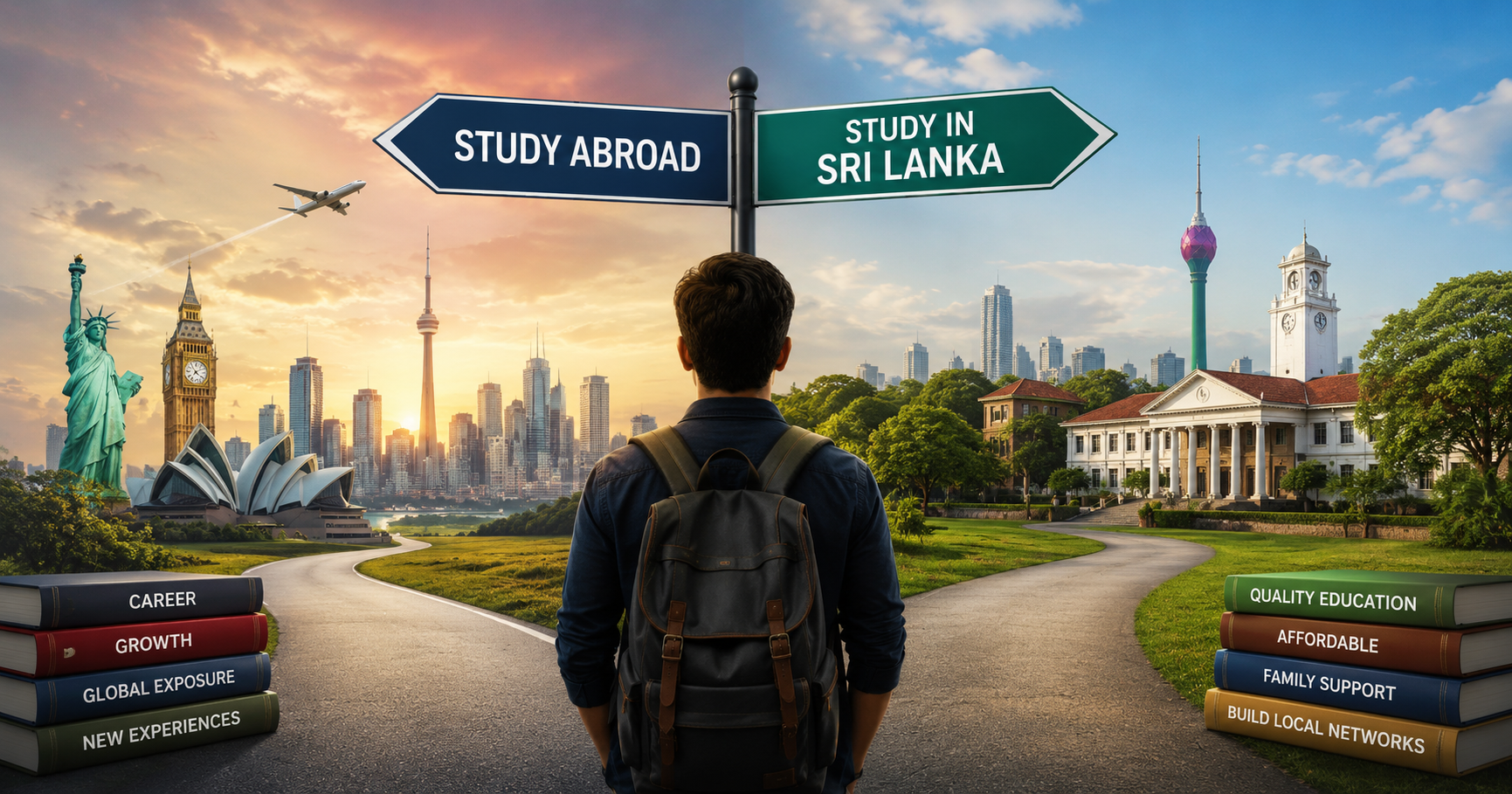
Yet, as the cost of foreign education continues to rise and Sri Lanka’s higher education landscape evolves, more students and parents are asking an important question:
Is studying abroad really the best option, or can students build equally successful careers by studying in Sri Lanka?
The answer is not as straightforward as many think.
The Appeal of Overseas Education
There is no denying the attraction of an international university experience.
Students gain exposure to different cultures, modern teaching methods, advanced research facilities, and diverse professional networks. In many cases, studying abroad serves as a pathway to migration and permanent residency opportunities.
Countries such as Australia and Canada actively attract international students, offering graduate work visas that allow graduates to gain local work experience after completing their studies.
For many young Sri Lankans, this represents more than an educational opportunity—it is a chance to build a new life.
Advantages of Studying Abroad
Global Recognition
Degrees from internationally recognized universities often carry strong brand value in the global job market.
Exposure and Independence
Living alone in a foreign country develops confidence, adaptability, and problem-solving skills that employers highly value.
International Networking
Students interact with peers from around the world, creating professional connections that can benefit them throughout their careers.
Migration Pathways
Many countries offer post-study work rights, making it easier for graduates to secure employment and eventually apply for residency.
Access to Emerging Industries
Students can gain direct exposure to sectors such as artificial intelligence, cybersecurity, renewable energy, biotechnology, and advanced manufacturing.
The Hidden Challenges of Overseas Education
Despite its appeal, studying abroad comes with significant challenges that are often overlooked.
The most obvious is cost.
Tuition fees, accommodation, transportation, insurance, and living expenses can easily exceed millions of rupees over the course of a degree program.
Many families invest their life savings or take substantial loans to finance overseas education.
Additionally, securing a degree abroad does not automatically guarantee employment or migration success.
Many graduates face intense competition in foreign job markets, changing immigration regulations, and economic uncertainty.
Disadvantages of Studying Abroad
High Financial Burden
Education costs continue to rise globally, placing significant pressure on students and families.
Homesickness and Mental Health Challenges
Adjusting to a new culture, climate, and social environment can be difficult.
Employment Uncertainty
Finding a job after graduation is becoming increasingly competitive in many developed countries.
Changing Immigration Policies
Visa and residency regulations can change unexpectedly, affecting long-term plans.
Limited Family Support
Students often navigate challenges without their traditional support systems.
Why More Students Are Choosing Sri Lanka
The perception that success requires a foreign degree is gradually changing.
Sri Lanka today offers a growing range of internationally accredited degree programs through local universities, international campuses, and transnational education partnerships.
Students can now earn globally recognized qualifications while studying locally at a fraction of the cost.
Furthermore, the rise of remote work, freelancing, and digital entrepreneurship means that career opportunities are no longer restricted by geography.
A software developer in Colombo can work for a company in London.
A digital marketer in Kandy can serve clients in Australia.
An AI specialist in Sri Lanka can collaborate with teams across multiple continents.
Advantages of Studying in Sri Lanka
Significantly Lower Cost
Students save millions in tuition and living expenses.
Strong Family and Social Support
Remaining close to family can improve emotional well-being and reduce stress.
Opportunity to Build Local Networks
Students develop relationships with local employers, entrepreneurs, and industry leaders.
International Degrees at Home
Many institutions offer UK, Australian, and other international qualifications without leaving the country.
Growing Digital Economy
Technology, AI, digital marketing, finance, and entrepreneurship sectors continue to create new opportunities.
The Migration Question: Is a Foreign Degree Necessary?
One of the biggest myths among students is that migration is only possible through overseas education.
While studying abroad can create migration pathways, skilled migration programs increasingly prioritize qualifications, work experience, and in-demand skills rather than simply the location of study.
Many professionals first build careers in Sri Lanka, gain valuable experience, and later migrate through skilled visa programs.
In fact, employers worldwide are becoming more interested in practical skills and proven experience than university rankings alone.
A graduate with strong technical expertise, industry certifications, and real-world project experience often has an advantage over someone with a prestigious degree but limited practical exposure.
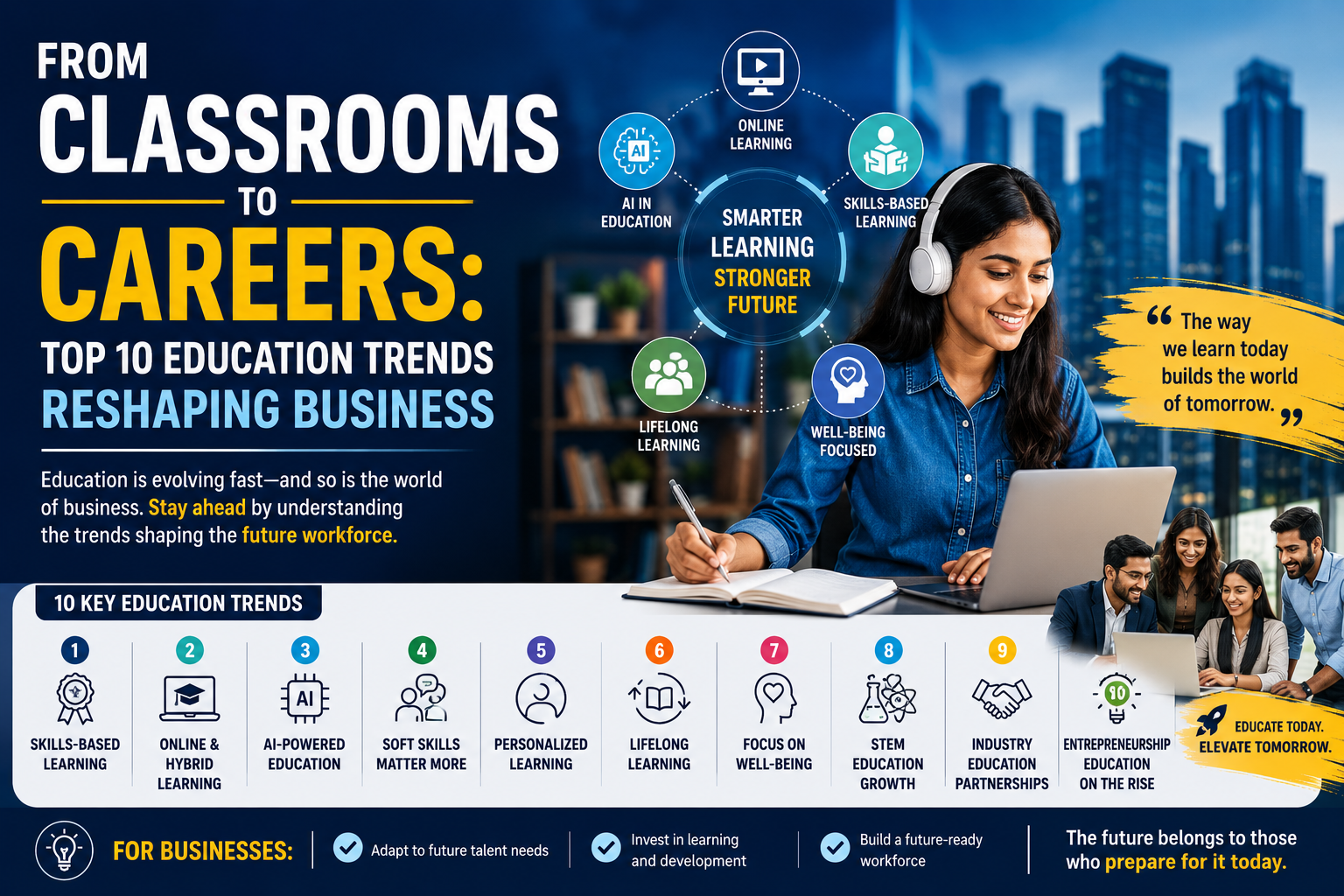
The Future Belongs to Skills, Not Just Degrees
The workplace of the future is changing rapidly.
Artificial intelligence, automation, data analytics, cybersecurity, cloud computing, and digital business transformation are reshaping industries worldwide.
Employers increasingly evaluate candidates based on what they can do rather than where they studied.
This shift means students should focus on developing:
- Technical skills
- Communication abilities
- Critical thinking
- Leadership qualities
- Digital literacy
- Industry certifications
- Real-world experience
Whether a student studies in Colombo, Melbourne, London, or Toronto, these factors will ultimately determine long-term career success.
So, Which Option Is Better?
There is no universal answer.
For some students, overseas education offers valuable international exposure and migration opportunities.
For others, studying in Sri Lanka provides a more affordable route to obtaining quality education while building a successful career.
The smartest decision is not necessarily the most expensive one.
It is the option that aligns with a student’s goals, financial situation, career aspirations, and personal circumstances.
In today’s interconnected world, success is no longer defined by where you study.
It is defined by how effectively you apply your knowledge, build your skills, and adapt to an ever-changing global economy.
Final Thought
The question is no longer “Should I study in Sri Lanka or abroad?”
The real question is:
How can I position myself to succeed in a world where talent, skills, and adaptability matter more than ever before?
And the answer may surprise many students—because the path to global success can begin right here in Sri Lanka.