
By Marketeer.lk Editorial Team
Over the past few years, Sri Lanka has experienced one of the most dramatic economic recoveries in South Asia. Following the unprecedented economic crisis of 2022, many analysts predicted a prolonged period of instability. Yet by 2025 and 2026, Sri Lanka’s currency and macroeconomic indicators had shown remarkable resilience, attracting attention from investors, economists, and regional policymakers alike.
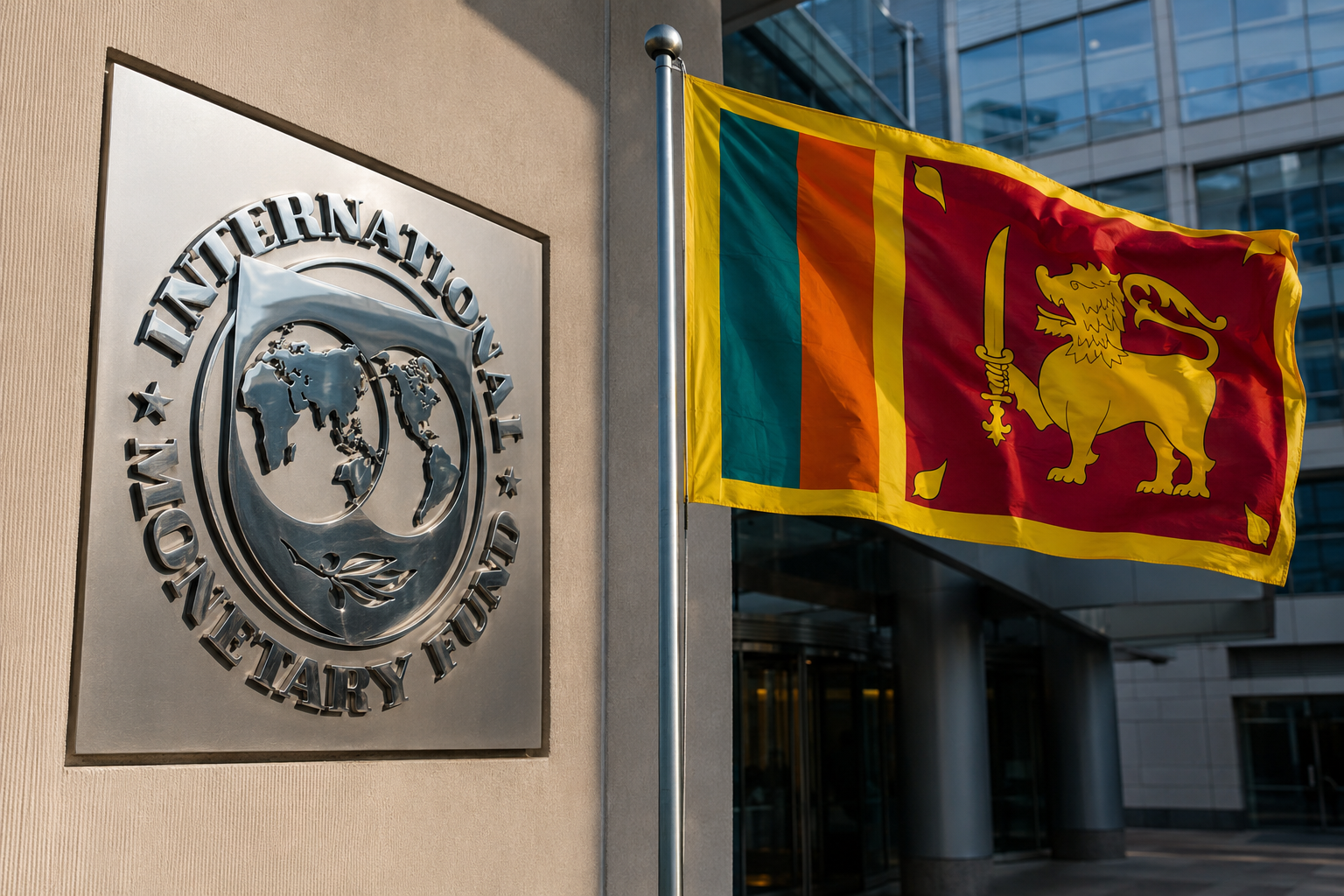
At the heart of this recovery lies the partnership between Sri Lanka and the International Monetary Fund (IMF), whose support has played a critical role in restoring confidence in the country’s financial system and strengthening the Sri Lankan Rupee.
From Crisis to Recovery
In 2022, Sri Lanka faced severe foreign exchange shortages, soaring inflation, depleted foreign reserves, and a significant depreciation of the rupee. Essential imports became difficult to finance, while businesses struggled to operate amid economic uncertainty.
Recognizing the need for structural reforms, Sri Lanka entered into an Extended Fund Facility (EFF) arrangement with the IMF in 2023. The programme was designed not merely as a financial rescue package but as a roadmap for economic stabilization and long-term sustainability.
How the IMF Helped Strengthen the Rupee
1. Restoring Market Confidence
One of the most important contributions of the IMF was restoring investor confidence. International lenders, development agencies, and private investors closely monitor IMF programmes because they signal a country’s commitment to fiscal discipline and economic reform.
As confidence improved, pressure on the Sri Lankan Rupee eased, helping stabilize exchange rates and encouraging capital inflows.
2. Strengthening Foreign Reserves
A major weakness during the crisis was the country’s low foreign reserve position. Through IMF support and the confidence generated among multilateral lenders, Sri Lanka was able to gradually rebuild reserves.
Higher reserves provide a buffer against external shocks and help maintain stability in foreign exchange markets.
3. Fiscal Discipline and Revenue Reforms
The IMF programme encouraged reforms aimed at increasing government revenue and reducing unsustainable fiscal deficits. Tax reforms, improved revenue administration, and expenditure management helped strengthen public finances.
When government finances become more sustainable, markets generally place greater confidence in the national currency.
4. Inflation Control
High inflation erodes the value of any currency. Through tighter monetary policies implemented alongside IMF-supported reforms, Sri Lanka succeeded in bringing inflation down significantly from crisis-era levels.
Lower inflation has helped preserve purchasing power and improve economic predictability for businesses and households.
5. Debt Restructuring Progress
The IMF framework also supported negotiations with international creditors and bondholders. Progress in debt restructuring reduced uncertainty surrounding Sri Lanka’s external obligations, improving the country’s overall financial outlook.
Financial markets typically reward such progress with greater confidence in the local currency.
How Sri Lanka Compares with Other South Asian Economies
While every South Asian economy faces unique challenges, Sri Lanka’s recent experience offers valuable lessons in economic adjustment.
Countries across the region have grappled with inflationary pressures, external debt concerns, and global economic uncertainty. However, Sri Lanka’s rapid implementation of reforms under IMF guidance has enabled a relatively swift stabilization process compared to expectations following the 2022 crisis.
What distinguishes Sri Lanka’s recovery is not necessarily the strength of the rupee’s exchange rate alone, but the speed at which macroeconomic stability has been restored after one of the deepest economic crises in the country’s history.
Benefits for Businesses and Investors
A more stable currency creates several advantages:
- Improved confidence among foreign investors
- Greater predictability for importers and exporters
- Reduced inflationary pressures
- Better planning capabilities for businesses
- Enhanced attractiveness for international partnerships
For Sri Lankan enterprises, currency stability translates into lower uncertainty and improved opportunities for growth and expansion.
Challenges Remain
Despite significant progress, Sri Lanka’s economic recovery remains a work in progress. Maintaining fiscal discipline, continuing structural reforms, improving productivity, and attracting sustainable foreign investment will be essential for long-term success.
The IMF programme provides a framework, but lasting prosperity will ultimately depend on how effectively Sri Lanka continues to implement reforms and strengthen its economic fundamentals.
Looking Ahead
Sri Lanka’s journey from economic crisis to stabilization has become a case study in recovery and resilience. The IMF’s role has been instrumental in rebuilding confidence, restoring financial stability, and creating conditions for a stronger and more resilient currency.
While challenges remain, the progress achieved demonstrates that disciplined economic reforms, supported by international cooperation, can pave the way for sustainable growth and renewed investor confidence.
For businesses, investors, and policymakers across South Asia, Sri Lanka’s experience offers an important lesson: economic recovery is possible when structural reforms are combined with clear policy direction and strong institutional support.