
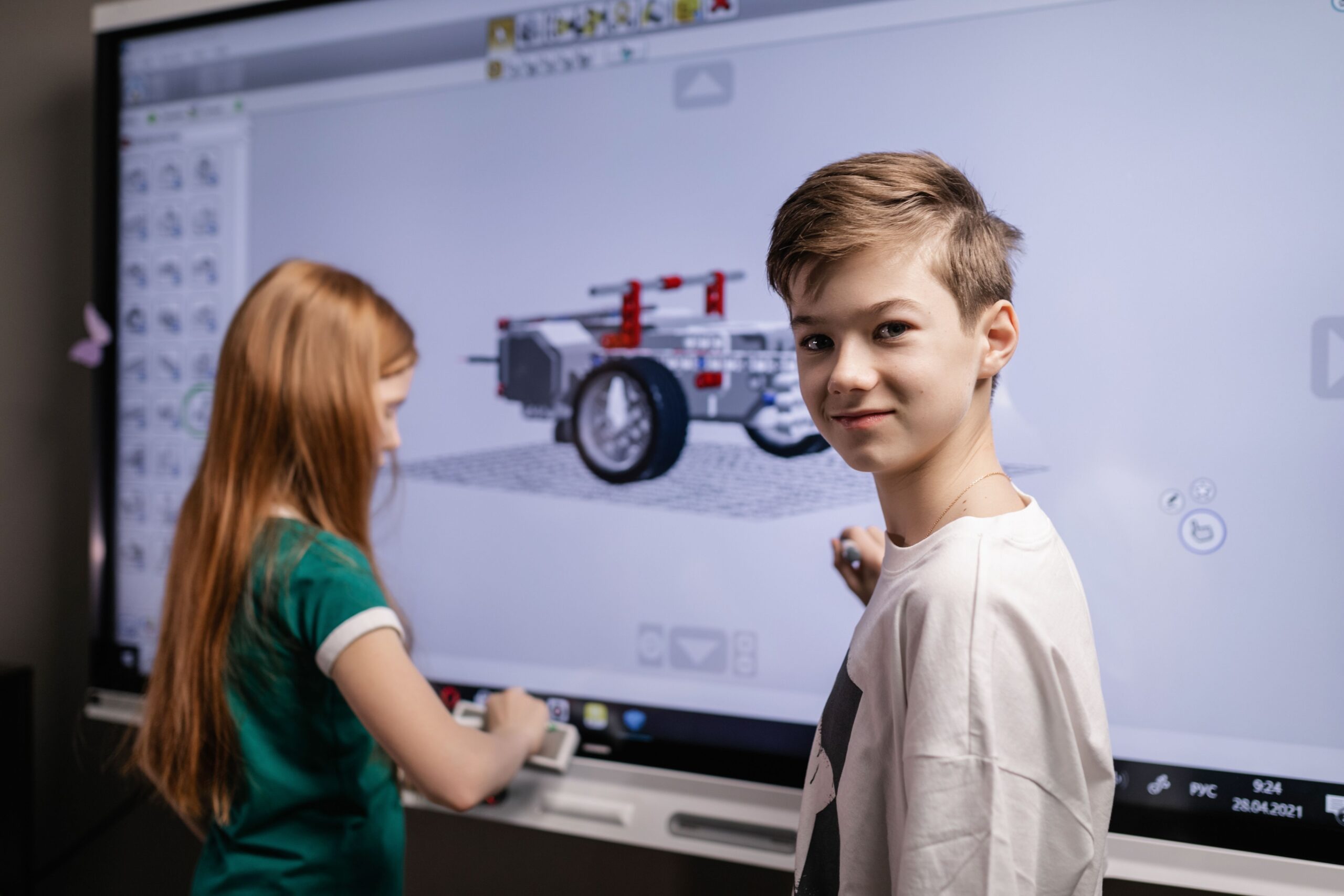
Classrooms today look very different from those of the past.
Not long ago, education revolved around blackboards, printed textbooks, handwritten notes, and face to face lectures. Learning followed a familiar structure, with teachers at the front of classrooms and students relying largely on physical materials to gain knowledge.
Today, however, technology is transforming education at an extraordinary pace.
From virtual classrooms and digital learning platforms to artificial intelligence and interactive educational tools, the learning experience is evolving far beyond traditional expectations.
The classroom of the future may no longer be confined to four walls.
Instead, learning is becoming more flexible, personalised, and digitally connected than ever before.
Technology Is Changing How Students Learn
Technology has significantly expanded access to information.
Students no longer rely solely on textbooks or classroom lectures to understand concepts. Educational videos, online courses, interactive apps, digital libraries, and virtual simulations now provide learning opportunities beyond school hours.
A student struggling with mathematics can access online tutorials.
Someone passionate about graphic design can take global online courses.
Learning is increasingly happening anytime and anywhere.
This accessibility has made education more flexible and self directed.
Rather than depending entirely on traditional systems, students are becoming active participants in their own learning journeys.
The Rise of Smart Classrooms
Modern classrooms are increasingly adopting digital tools to improve engagement and interaction.
Smart boards, tablets, learning management systems, digital assignments, and virtual collaboration platforms are gradually becoming part of educational environments worldwide.
Instead of relying only on lectures, many teachers now use videos, presentations, quizzes, and interactive discussions to make lessons more engaging.
Technology also enables personalised learning.
Students learn differently.
Some absorb information visually, while others prefer listening, reading, or hands on experiences.
Digital tools can help adapt educational methods to suit different learning styles, making education more inclusive and effective.
Artificial Intelligence in Education
Artificial intelligence is beginning to play an increasingly important role in modern education.
AI powered tutoring systems can help students practise subjects at their own pace, provide instant feedback, and identify learning gaps.
Some educational platforms now personalise lesson recommendations based on student performance and learning habits.
For teachers, AI may also help reduce administrative tasks such as grading and lesson planning, allowing more time for meaningful student interaction.
While technology cannot replace human educators, it may strengthen their ability to support students more effectively.
Challenges of Technology in Education
Despite its advantages, technology in education also brings challenges.
Access remains unequal.
Not every student has reliable internet, personal devices, or digital learning resources, particularly in developing regions.
Excessive screen time, digital distractions, and reduced face to face interaction are also growing concerns among educators and parents.
Additionally, over reliance on technology may risk weakening important human skills such as communication, patience, and critical thinking if not carefully balanced.
The future of education may depend not simply on adopting technology, but on using it wisely.
Will Traditional Classrooms Disappear?
Probably not.
Teachers continue to play an irreplaceable role in education.
Emotional support, mentorship, classroom discussion, collaboration, and social development remain deeply human experiences that technology alone cannot fully replicate.
Instead of replacing classrooms, technology may continue to enhance them.
The future may involve hybrid learning environments where digital tools support traditional teaching rather than compete with it.
Education may become more adaptable, personalised, and student centred while preserving the human connection that learning requires.
Final Thoughts
Technology is undoubtedly reshaping education.
The classroom of tomorrow may look dramatically different from the one many people remember growing up.
Yet despite rapid innovation, one thing remains constant.
Education is ultimately about helping people grow, think, and discover their potential.
And in the future, technology may simply become one of the many tools helping students learn in smarter, more meaningful ways.