
Attention has quietly become one of the world’s most valuable resources.
Every day, people are surrounded by endless notifications, short videos, advertisements, emails, breaking news alerts, and social media updates competing for a few precious seconds of focus.
What once felt like simple distraction has now become something much bigger.
In today’s digital world, attention is currency.
And businesses, schools, creators, and brands are all competing to capture it.
Welcome to the age of the attention economy.
A world where human focus has become increasingly limited, increasingly valuable, and increasingly difficult to protect.
What Is the Attention Economy?
The attention economy refers to a system where human attention is treated as a scarce and valuable asset.
Simply put, companies compete for time and focus because attention often leads to influence, engagement, and eventually, profit.
Every minute spent watching a video, scrolling a feed, reading an article, or engaging with content holds value.
The longer someone stays engaged, the more opportunities businesses have to advertise, sell, educate, or build loyalty.
This explains why digital platforms are carefully designed to keep users engaged for as long as possible.
The competition is no longer just about products.
It is about attention.
Why Attention Has Become So Valuable
The internet created unlimited information.
But human attention remained limited.
People can only focus on so much at once.
As a result, attention has become increasingly scarce.
Today, consumers face more information than any generation before them. News, entertainment, education, shopping, and communication now happen simultaneously on the same devices.
In many ways, modern life feels like a constant competition for focus.
This is why companies invest heavily in digital marketing, personalised recommendations, engaging visuals, short videos, and targeted content.
The challenge is simple.
If something does not capture attention quickly, people move on.
How Brands and Businesses Are Adapting
Businesses have become increasingly creative in the way they communicate.
Long advertisements and traditional marketing methods are gradually being replaced by short form content, storytelling, personalised experiences, and emotionally engaging campaigns.
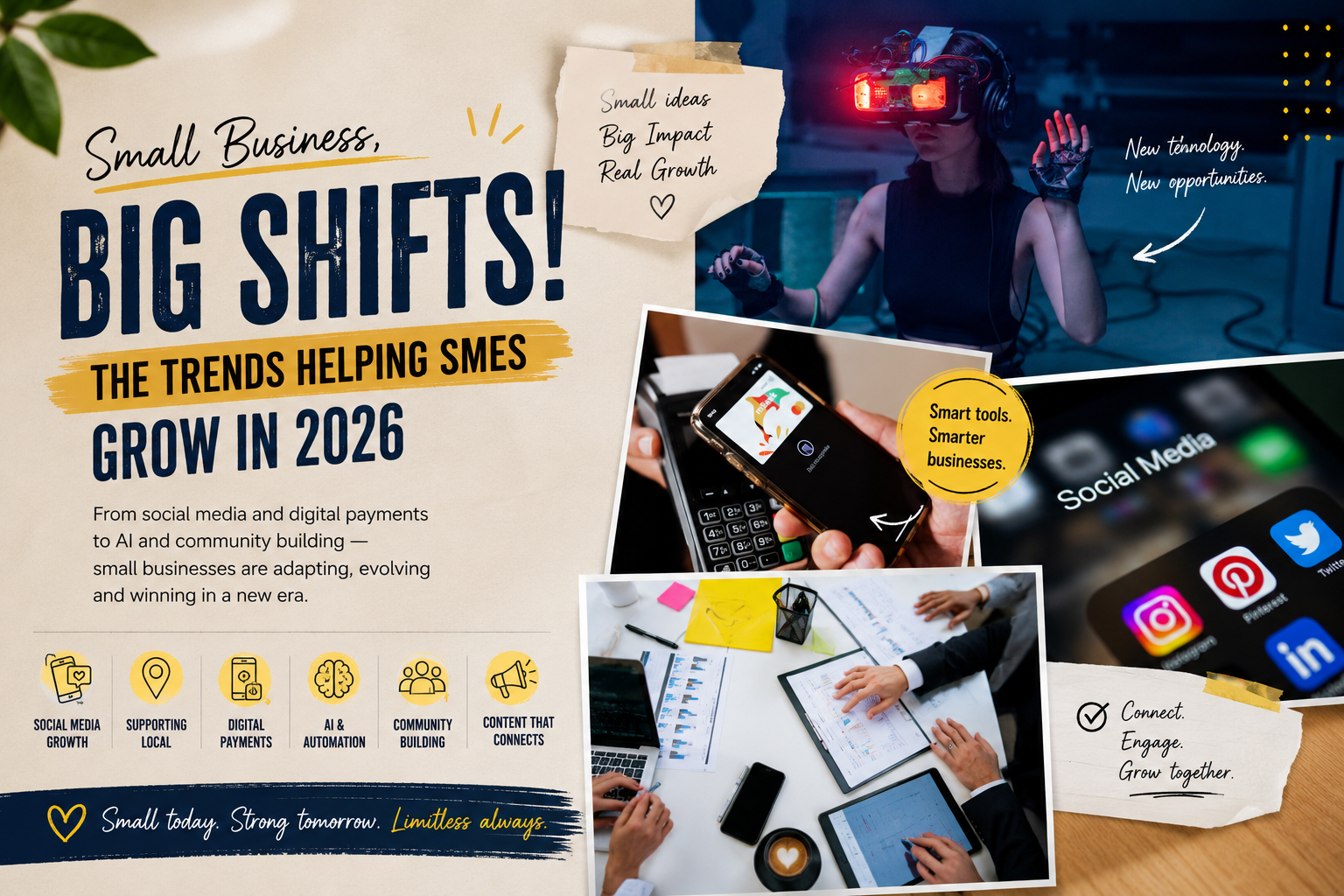
Social media platforms have accelerated this shift.
Brands today are expected to entertain, educate, and connect rather than simply advertise.
A product alone is often no longer enough.
Companies increasingly need strong narratives, memorable experiences, and authentic communication to stand out in crowded digital spaces.
In the attention economy, relevance matters.
But speed matters too.
Even Education Is Competing for Attention
Interestingly, schools and educational institutions are also being affected.
Students today are learning in environments filled with digital distractions.
Traditional long lectures often compete with smartphones, short form videos, social media, and rapidly changing content habits.
This shift is encouraging educators to rethink how learning happens.
Interactive lessons, shorter content, visual learning, educational technology, and engaging teaching methods are becoming increasingly important.
Education itself is evolving to match changing attention patterns.
The challenge is no longer only teaching information.
It is keeping students engaged long enough to absorb it.
The Cost of Constant Distraction
While the attention economy creates convenience and endless entertainment, it also raises important concerns.
Many experts argue that constant digital stimulation may reduce concentration, increase stress, and contribute to mental exhaustion.
Multitasking has become common, yet many people feel increasingly overwhelmed and mentally scattered.
The ability to focus deeply for extended periods may be quietly becoming a rare skill.
Ironically, in a world obsessed with grabbing attention, protecting attention may become more important than ever.
Final Thoughts
The battle for attention is unlikely to slow down.
As technology continues to evolve, competition for human focus may only grow stronger.
Businesses want engagement.
Creators want views.
Schools want attention.
Platforms want time.
But perhaps the real question is not only who wins our attention.
It is whether we still control where it goes.
Because in an age where focus has become valuable, attention may be one of the most powerful things people own.