Six-Pack Abs, Perfect Selfies, and Social Media Validation — Is Modern Fitness Losing Its Original Purpose?
Walk into almost any gym today and you’ll notice something interesting.
People are training harder than ever.
They are tracking calories, counting macros, monitoring sleep, and documenting every workout.
Yet at the same time, fitness has become increasingly visual.
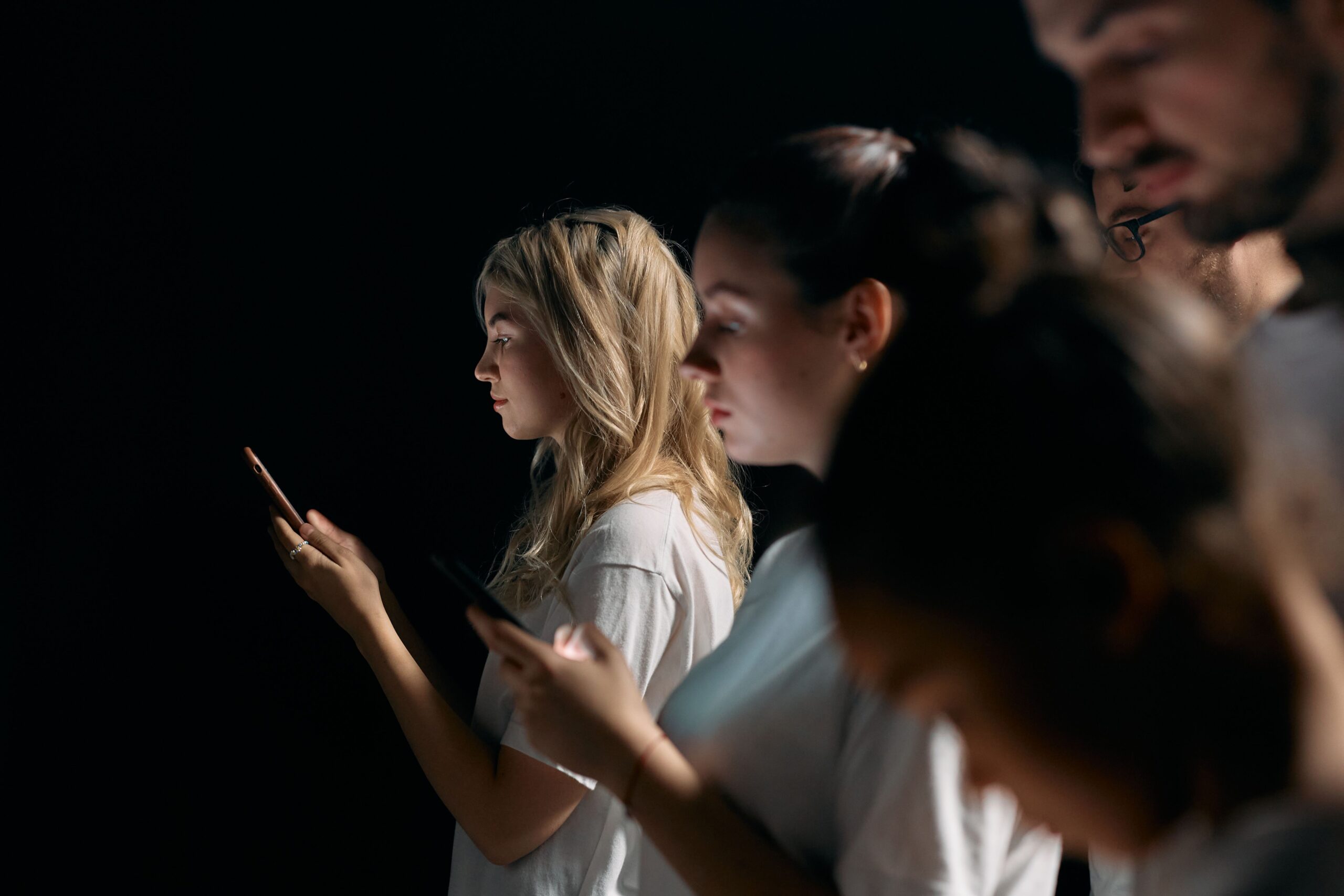
Scroll through Instagram, TikTok, or YouTube, and fitness often appears less about health and more about appearance.
Perfect abs.
Defined jawlines.
Flawless gym selfies.
Transformation photos.
And bodies that seem almost impossible to achieve.
This raises an important question:
Has fitness become more about looking healthy than actually being healthy?
The answer is more complicated than many people realize.
The Rise of Aesthetic Fitness
A generation ago, fitness was primarily associated with sports performance, physical strength, and overall wellbeing.
Today, social media has changed the conversation.
For millions of people, fitness goals are increasingly tied to appearance.
Popular objectives now include:
✔ Visible abs
✔ Low body fat
✔ Bigger muscles
✔ The “V-taper” physique
✔ Toned glutes
✔ Photogenic transformations
There is nothing inherently wrong with wanting to look good.
The problem begins when appearance becomes the only measure of success.
“Health is what your body can do. Aesthetics are how your body looks.”
The Social Media Fitness Boom


Why Aesthetics Became So Important
The answer lies largely in social media.
Platforms reward what is visually appealing.
A six-pack attracts more attention than healthy cholesterol levels.
A transformation photo generates more engagement than improved cardiovascular health.
As a result, fitness content increasingly focuses on appearance because appearance is easier to showcase.
Nobody can instantly see:
- Better heart health
- Improved blood pressure
- Lower stress levels
- Stronger bones
- Better sleep quality
- Enhanced longevity
But everyone can see abs.
And social media thrives on what people can see.
“The algorithm rewards visible results. Health often happens behind the scenes.”
The Hidden Benefits We Often Forget
Ironically, the most important benefits of exercise are often invisible.
Regular physical activity helps:
- Reduce the risk of heart disease
- Improve mental health
- Lower stress and anxiety
- Increase energy levels
- Improve sleep quality
- Strengthen the immune system
- Enhance cognitive performance
These benefits can dramatically improve quality of life.
Yet they rarely receive the same attention as aesthetic transformations.
Many people begin exercising for appearance but stay because of how much better they feel.
And that may be fitness’s greatest hidden success.
The Pressure to Look Perfect
While social media has inspired millions to become healthier, it has also created unrealistic expectations.
Many influencers showcase:
- Professional photography
- Perfect lighting
- Strategic posing
- Photo editing
- Peak-condition physiques
What viewers often don’t see are:
- Strict diets
- Exhausting training schedules
- Genetic advantages
- Temporary dehydration techniques
- Professional image enhancement
The result can be unhealthy comparisons.
People begin judging their everyday bodies against highly curated online images.
And that comparison can become damaging.


Can You Look Great and Be Healthy?
Absolutely.
The two are not mutually exclusive.
In fact, many aesthetic goals can be achieved through healthy habits.
The challenge is maintaining perspective.
A healthy fitness journey should prioritize:
✔ Strength
✔ Mobility
✔ Cardiovascular health
✔ Energy levels
✔ Mental wellbeing
✔ Long-term sustainability
Physical appearance can be a positive byproduct of these goals rather than the sole objective.
“Looking fit is temporary. Living healthy is lifelong.”
The Future of Fitness
Interestingly, fitness culture may already be evolving.
Many younger consumers are shifting their focus toward:
- Functional fitness
- Mental health
- Longevity
- Mobility
- Sustainable lifestyles
- Overall wellbeing
The conversation is gradually expanding beyond aesthetics.
People are beginning to ask:
“Can I still move well at 60?”
“Can I maintain my health for decades?”
“Can exercise improve my quality of life?”
These questions may ultimately prove more valuable than asking how quickly visible abs can appear.


What This Means for the Fitness Industry
Gyms, trainers, and fitness brands are increasingly recognizing that consumers want more than appearance.
The future of fitness may focus on:
- Personalized wellness
- Preventative healthcare
- Longevity programs
- Mental wellbeing
- Holistic health tracking
- Sustainable habits
The businesses that succeed will likely be those that help people feel better—not just look better.
Final Thoughts
Fitness has undeniably become more visual.
Social media has transformed exercise into a lifestyle, a brand, and sometimes even a performance.
But beneath the filters, transformation photos, and perfectly lit gym selfies lies a simple truth:
The real purpose of fitness has never changed.
It is not merely about how you look.
It is about how you live.
A stronger heart.
A healthier mind.
More energy.
Better movement.
Greater confidence.
And a longer, healthier life.
Because at the end of the day, the most impressive physique is not necessarily the one that turns heads.
It is the one that carries you through life with strength, vitality, and resilience.