Something subtle yet significant is unfolding in the world of consumer behaviour.
People are shopping differently.
The modern customer is no longer simply buying products — they are buying trust, convenience, experiences, values, and meaning.
A few years ago, flashy advertisements and aggressive promotions were enough to influence purchasing decisions.
Today?
Consumers pause longer. Research deeper. Compare smarter.
They read reviews, question value, seek authenticity, and increasingly ask themselves one simple question:
“Is this really worth it?”
For businesses, understanding this shift is no longer optional.
Because in 2026, consumer behaviour is quietly rewriting the rules of commerce.
1. Thoughtful Spending Is Replacing Impulse Buying
The age of careless spending appears to be softening.
Consumers are becoming more intentional with where their money goes.
Instead of purchasing frequently, many people are prioritising:
- Quality over quantity
- Long-term value
- Practicality
- Durability
- Trustworthy brands
This does not necessarily mean people are spending less.
It means they are spending more carefully.
The Shift Businesses Cannot Ignore
Customers today are asking:
Will this last?
Does this genuinely add value?
Can I trust this brand?
Businesses that clearly communicate value are increasingly standing out.
Sri Lankan Perspective
Across Sri Lanka, consumers are becoming more selective — whether purchasing fashion, electronics, skincare, or dining experiences.
Affordability still matters.
But increasingly, so does credibility.
2. Convenience Has Become a Competitive Advantage
Modern consumers value simplicity.
The easier an experience feels, the more likely people are to return.
Today’s customer expects:
- Seamless digital experiences
- Faster deliveries
- Easy payment methods
- Quick communication
- Effortless purchasing
Even minor inconveniences may quietly push consumers elsewhere.
Business Reality
A customer who waits too long for replies or struggles through a difficult ordering process may simply move on.
In 2026, convenience is becoming part of customer loyalty.
Sri Lankan Example
Many local businesses are thriving through Instagram shops, WhatsApp ordering, and fast customer responses — proving that accessibility often matters as much as product quality.
3. Trust Is Becoming the Ultimate Currency
Consumers are increasingly cautious.
In a digital world filled with choices, trust has become one of the most powerful reasons people buy.
Customers now look for:
- Honest reviews
- Transparent pricing
- Authentic brand stories
- Reliable customer service
- Real customer experiences
Why This Matters
People may forget advertisements.
But they remember how brands made them feel.
Trust builds loyalty in ways discounts rarely can.
Think About It
Would you rather buy from a faceless company — or a brand that feels human, responsive, and genuine?
The answer speaks volumes.
4. Emotional Spending Is Quietly Growing
Interestingly, not every purchase is logical.
Consumers increasingly buy products tied to emotion.
People purchase things because they want to feel:
- Comfortable
- Confident
- Inspired
- Relaxed
- Connected
This explains the rise of:
- Wellness brands
- Aesthetic cafés
- Self-care products
- Lifestyle experiences
Modern customers are often buying feelings, not just functionality.
Business Lesson
Successful brands understand something powerful:
People rarely remember products.
They remember experiences.
5. Sustainability Is Slowly Influencing Decisions
Consumers — particularly younger generations — are becoming more conscious about the impact of their purchases.
Questions increasingly shaping buying decisions include:
Is this ethically made?
Is this business environmentally responsible?
Does this brand align with my values?
Perfection is not expected.
But effort is appreciated.
Businesses embracing sustainability, even in small ways, are gradually earning stronger consumer trust.
6. The Rise of the “Research First” Customer
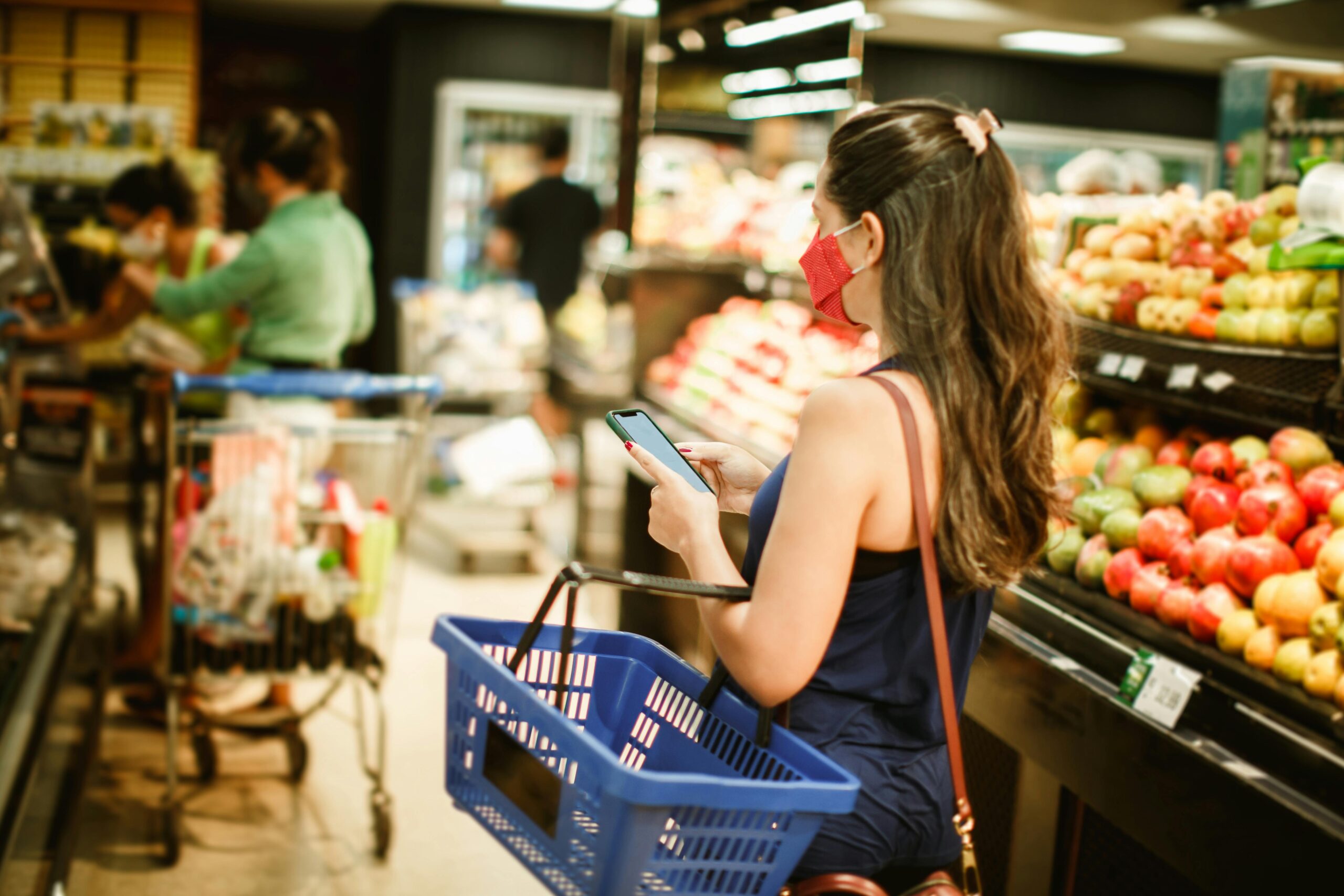
The modern consumer rarely buys blindly.
Before purchasing, people increasingly:
- Read online reviews
- Compare prices
- Watch videos
- Browse social media opinions
- Seek recommendations
In many ways, social proof has become modern word-of-mouth marketing.
What Businesses Should Ask
What are people saying about your brand when you’re not in the room?
Because reputation increasingly influences revenue.
The Bottom Line
The consumer of 2026 is informed, intentional, emotionally driven, and digitally connected.
People are no longer simply buying products.
They are investing in experiences, trust, convenience, and value.
For businesses, this presents both a challenge and an opportunity.
Because while trends continue to evolve, one truth remains timeless:
The brands that truly understand people are often the brands people remember.