
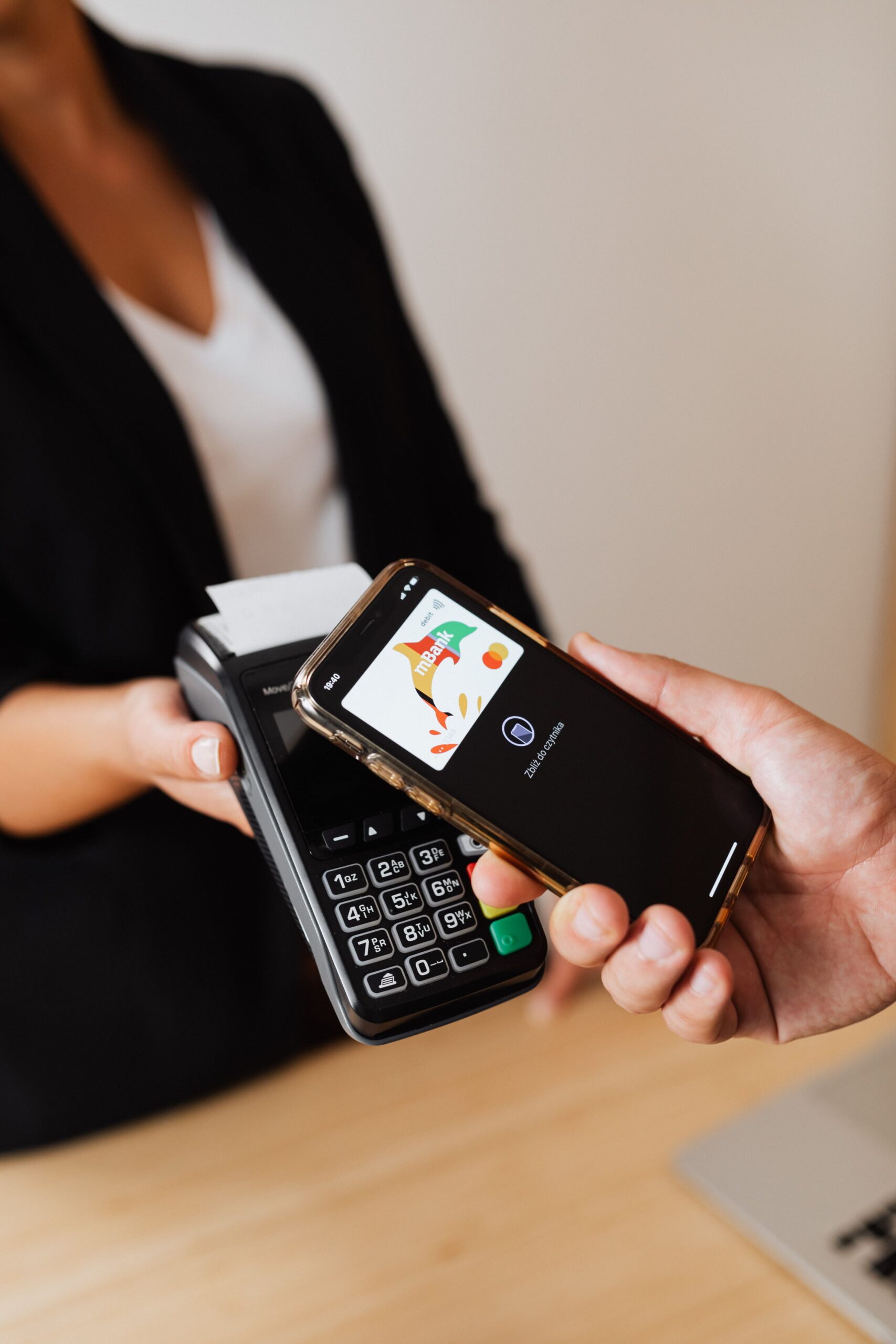
A few years ago, leaving home without cash felt risky.
People carried wallets filled with notes, searched for nearby ATMs, and often worried about having enough change. Paying for groceries, transport, or even a coffee usually meant handing over physical money.
Fast forward to 2026, and things look very different.
Today, a simple tap, scan, or click is often enough to complete a purchase.
From QR code payments and mobile banking to digital wallets and contactless cards, the world is steadily moving toward a future where cash plays a much smaller role.
The question is no longer if digital payments are changing consumer habits.
It is how quickly.
Why Are People Moving Away From Cash?
The answer is simple: convenience.
Digital payments are fast, easy, and often more practical than carrying physical money.
Need to split a restaurant bill? Send money instantly.
Shopping online? One click can complete a payment.
Forgot your wallet? Your phone might already have everything you need.
For many consumers, speed and ease are becoming priorities.
In today’s fast-moving world, convenience often wins.
The Rise of Tap, Scan, and Pay
The way people pay is evolving rapidly.
QR code payments are becoming more common in restaurants, cafés, and retail stores. Contactless cards allow purchases within seconds. Mobile banking apps make transfers faster than ever.
Even small businesses are increasingly accepting digital payments.
Consumers are adapting quickly because digital options often remove friction from everyday spending.
Less waiting.
Less hassle.
Less cash.
Consumer Habits Are Quietly Changing
Interestingly, payment methods are also changing how people spend.
Many consumers report shopping more frequently online because digital transactions feel effortless.
Impulse buying has become easier.
When spending becomes invisible, people may think less about handing over money compared to physically counting cash.
At the same time, digital banking tools are helping others budget more effectively through expense tracking and spending insights.
In many ways, technology is reshaping not just how people pay, but also how they think about money.
Businesses Are Adapting Too
For businesses, digital payments are becoming increasingly important.
Consumers now expect flexible payment options.
A business that only accepts cash may risk frustrating customers who prefer digital convenience.
Restaurants, cafés, online stores, salons, and even street vendors in some areas are slowly adopting digital payment systems.
Beyond convenience, digital transactions can also improve efficiency, reduce cash handling, and simplify record-keeping.
For businesses, keeping up with changing consumer expectations matters.
What This Means for Sri Lanka
Sri Lanka is also experiencing this digital shift.
Online banking, QR payment systems, and mobile payment options are becoming increasingly familiar, particularly among younger consumers and urban communities.
While cash still plays an important role, digital payment habits continue to grow.
As technology becomes more accessible, businesses that embrace flexible payment methods may gain a competitive edge.
Consumers increasingly value ease.
And payment convenience is quietly becoming part of customer experience.
Will Cash Disappear Completely?
Probably not, at least not anytime soon.
Cash still remains important for many people and businesses, particularly in certain sectors and communities.
However, its role may continue shrinking as digital systems become faster, safer, and more widely available.
Rather than disappearing overnight, cash may slowly become less central to daily life.
Final Thoughts
The way people spend money is changing.
What once required wallets and spare change can now happen with a tap of a screen.
Digital payments are no longer simply a technology trend. They are becoming part of everyday life, quietly influencing shopping habits, consumer behavior, and business expectations.
Because in 2026, convenience is no longer a bonus.
It is becoming the standard.