“People are no longer just buying products. They are buying experiences, trust, and values.”
Consumer behavior has always evolved, but in 2026, the shift feels impossible to ignore.
The modern customer is more informed, more impatient, and far more selective than ever before. A flashy advertisement or a famous celebrity endorsement alone is no longer enough to secure loyalty.
Today’s consumers scroll faster, compare smarter, and expect brands to understand them almost instantly.
For businesses, keeping up with changing buying habits is no longer optional. It is essential.
Here are seven consumer trends quietly reshaping the future of business.
1. Convenience Is Winning Everything
Modern consumers want things quickly and effortlessly.
Whether it is food delivery, online shopping, digital payments, or customer support, people increasingly prioritize convenience over almost everything else.
Long checkout processes, delayed responses, or complicated experiences can quickly push customers elsewhere.
“Easy” has become one of the strongest selling points a brand can offer.
For businesses, this means simplifying customer experiences wherever possible.
2. Trust Matters More Than Marketing
Consumers have become more skeptical.
Before making purchases, people often check reviews, search social media, compare experiences, and ask for recommendations.
A polished campaign may attract attention, but trust is what closes the sale.
Brands that communicate honestly, deliver consistent quality, and engage authentically tend to build stronger customer relationships over time.
In many cases, customer reviews now carry more influence than traditional advertisements.
3. Price Still Matters, But Value Matters More
Economic uncertainty has made consumers increasingly mindful of spending.
But cheaper does not always mean better.
Many buyers are willing to spend more if they believe the quality, service, or experience justifies the price.
People are asking a simple question before purchasing: Is this actually worth it?
Businesses focusing only on discounts may struggle, while brands communicating value often stand out.
4. Personalization Is Becoming an Expectation
Consumers increasingly expect brands to understand their preferences.
From personalized product recommendations to targeted emails and curated shopping experiences, customers now expect relevance.
Generic marketing messages are becoming easier to ignore.
People want businesses to feel more human and less robotic.
A personalized experience often creates stronger emotional connections with customers.
5. Social Media Is the New Storefront
Many purchase decisions now begin with a scroll.
Platforms like Instagram and TikTok have transformed how consumers discover products, trends, restaurants, and even services.
One viral video or authentic recommendation can influence buying behavior almost overnight.
For businesses, social media is no longer simply a branding tool.
It has become part of the customer journey.
6. People Care About Brand Values
Consumers are paying closer attention to what brands stand for.
Ethical practices, sustainability, diversity, transparency, and social responsibility increasingly influence purchasing decisions, especially among younger audiences.
People often want to support businesses that align with their beliefs.
This does not mean brands must be perfect.
But authenticity matters. Consumers can quickly recognize performative marketing.
7. Loyalty Must Be Earned Repeatedly
Brand loyalty is becoming more fragile.
Consumers have endless options and switching between brands has never been easier.
A single poor experience, weak customer service interaction, or disappointing product can send customers elsewhere.
Businesses can no longer assume loyalty.
They have to continuously earn it through consistency, quality, and meaningful engagement.
What This Means for Sri Lankan Businesses
Sri Lankan consumers are changing too.
With growing digital access, increasing social media influence, and rising price sensitivity, local businesses are facing a more informed customer base.
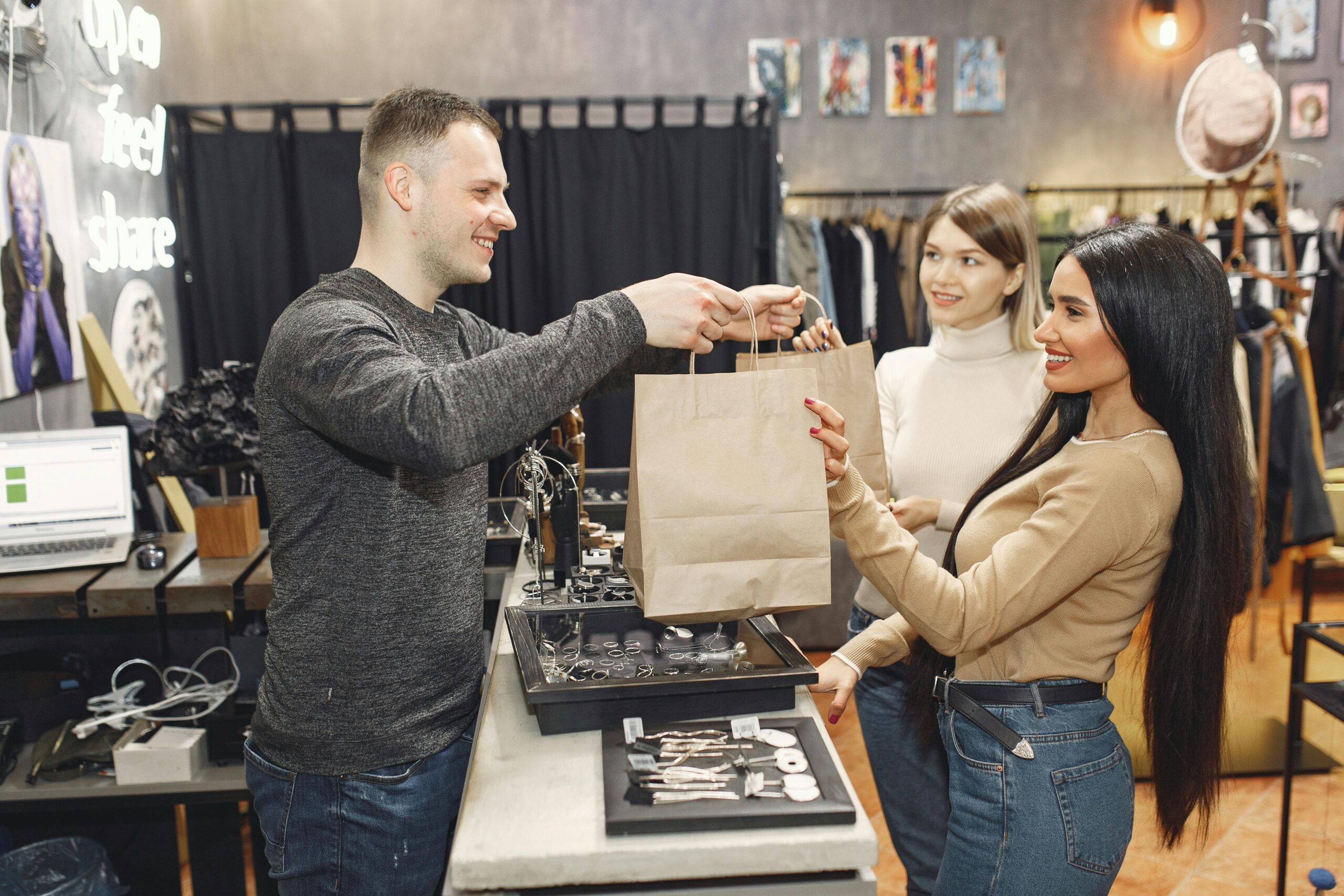
Whether it is a boutique clothing store, restaurant, startup, or online business, understanding customer behavior is becoming one of the strongest competitive advantages.
Brands that listen closely to their audience may find themselves staying ahead of the curve.
Final Thoughts
Consumer habits will continue to evolve, but one truth remains constant: businesses that understand people tend to perform better.
The brands winning in 2026 are not necessarily the loudest or the biggest.
Often, they are the ones paying attention.
Because in today’s world, understanding your customer may be the smartest business strategy of all.