Imagine walking through a luxury hotel before booking a room.
Trying on sunglasses without stepping into a store.
Exploring a new apartment, attending a fashion launch, or even testing a car, all without leaving your home.
What once felt futuristic is quickly becoming reality.
In 2026, Virtual Reality (VR) is no longer limited to gaming and entertainment. Brands are increasingly using immersive experiences to connect with customers in ways traditional marketing simply cannot.
The goal is no longer just to show people a product.
It is to make them experience it.
What Exactly Is Virtual Reality?
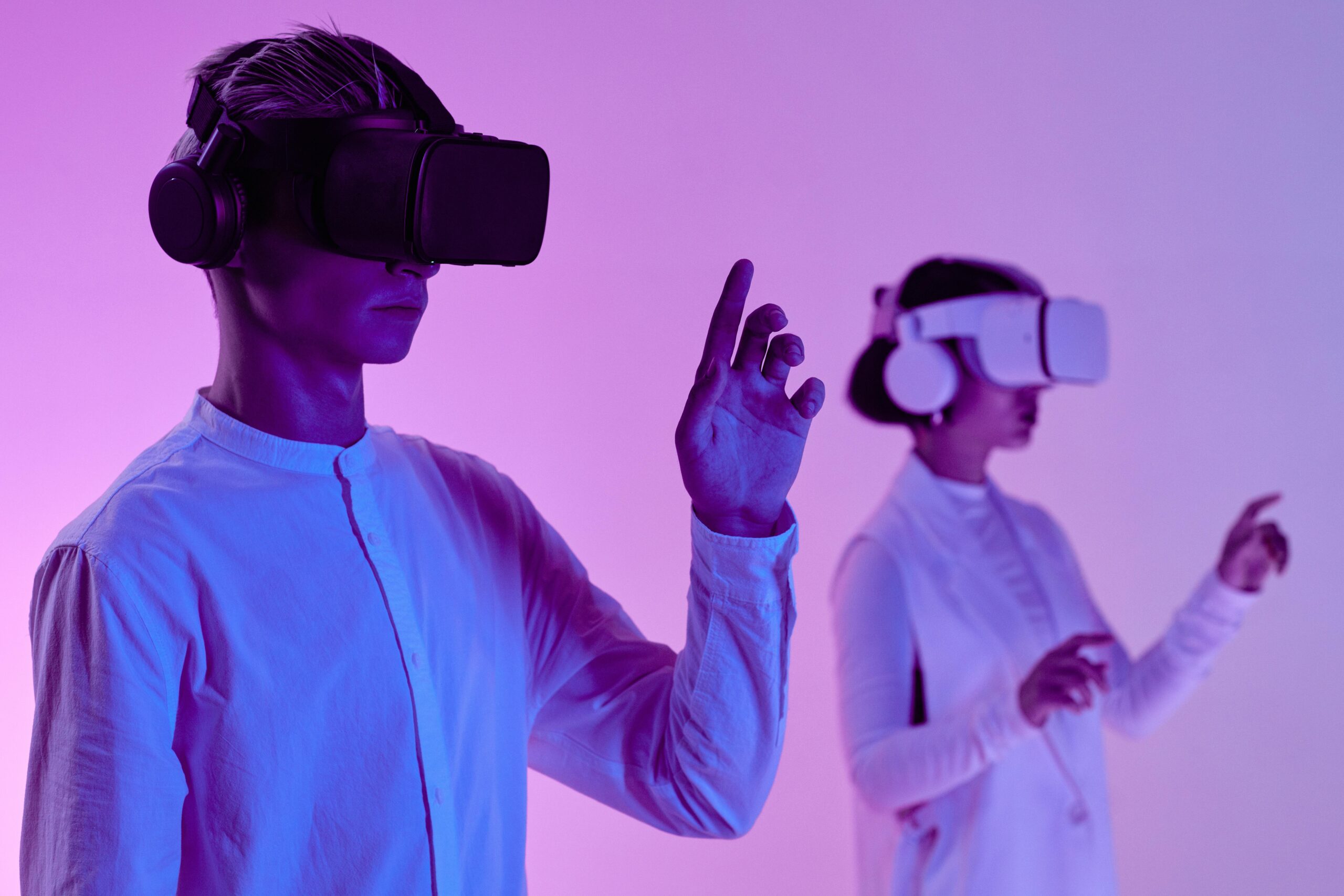
Virtual Reality, often called VR, is a technology that creates immersive digital environments where users can interact with products, spaces, or experiences.
Using VR headsets or interactive digital platforms, people can step into virtual worlds designed to feel real.
Instead of simply viewing an advertisement, customers can explore a product or service as though they are physically there.
For marketers, this creates an entirely new way of storytelling.
Why Brands Are Paying Attention to VR
Traditional marketing often depends on images, videos, or written descriptions.
But VR offers something different: immersion.
Consumers are increasingly surrounded by advertisements every day, making it harder for brands to capture attention.
VR creates memorable experiences that stand out.
A customer may forget a banner advertisement.
But they are far less likely to forget virtually touring a dream vacation destination or experiencing a product firsthand.
In a crowded market, memorable experiences matter.
How VR Is Helping Marketing
Product Demonstrations Feel Real
One of the biggest strengths of VR marketing is allowing customers to experience products before buying them.
Furniture brands can show customers how items look inside homes.
Car companies can offer virtual test drives.
Beauty and fashion brands can create virtual try-on experiences.
Instead of imagining the product, consumers experience it.
This can reduce uncertainty and build buying confidence.
Better Customer Engagement
People tend to remember experiences more than advertisements.
VR makes marketing interactive.
Rather than passively watching content, customers actively participate.
This often creates stronger emotional connections with brands and improves engagement.
In many cases, interaction increases interest.
And interest often leads to sales.
Virtual Events and Experiences
Events are changing too.
Brands are increasingly experimenting with virtual product launches, digital showrooms, and immersive brand experiences.
Consumers can attend experiences from anywhere in the world without traveling.
For businesses, this can expand reach while reducing event costs.
Storytelling Feels More Powerful
Marketing has always relied on storytelling.
VR simply makes storytelling more immersive.
A tourism company can let customers experience a beach destination before booking.
A real estate company can offer virtual property tours.
A fashion brand can create immersive runway experiences.
When customers feel emotionally involved, brands often become more memorable.
What This Means for Businesses
VR may still feel expensive or futuristic for some businesses, but accessibility is improving.
Brands no longer need massive budgets to experiment with immersive experiences.
Even smaller businesses are exploring interactive experiences, virtual walkthroughs, and 360-degree content.
The biggest opportunity may lie in standing out.
As consumer attention becomes harder to capture, immersive marketing can create stronger emotional impact than traditional advertising.
What This Means for Sri Lanka
Sri Lanka’s tourism, hospitality, education, fashion, and real estate industries could particularly benefit from VR marketing.
Imagine virtually exploring a hotel in Ella before booking.
Walking through a property in Colombo from another country.
Or experiencing a travel destination before planning a holiday.
For local businesses, VR could become a creative way to attract both local and international audiences.
While adoption may still be growing, the opportunity is clear.
Final Thoughts
Marketing is no longer only about selling products.
It is about creating experiences.
Virtual Reality is changing how brands connect with people by making marketing more interactive, memorable, and personal.
The businesses that embrace immersive storytelling early may find themselves standing out in a world where attention is increasingly difficult to earn.
Because sometimes, seeing is believing.
But experiencing? That is even more powerful.