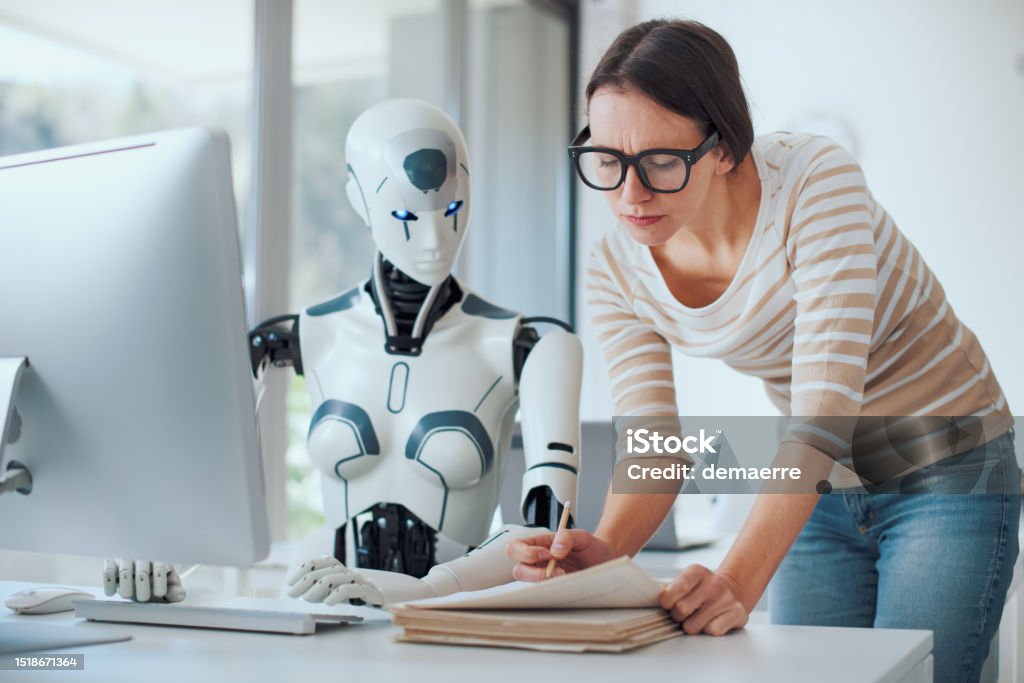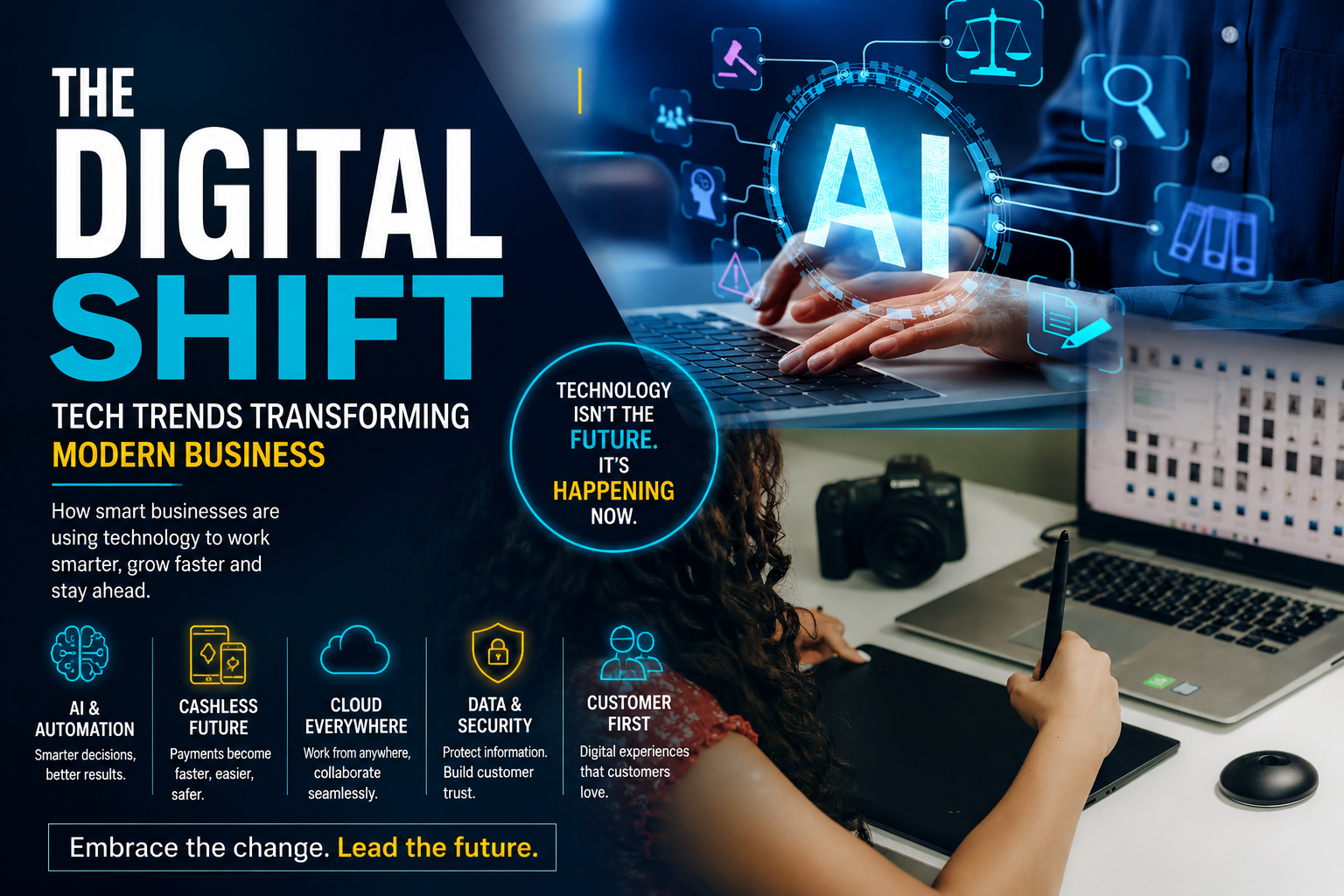
Artificial Intelligence is no longer a futuristic idea reserved for global tech giants. Quietly and steadily, AI assistants are transforming the way businesses operate, helping companies save time, improve productivity, and streamline operations without expanding their workforce.
From managing customer inquiries to organizing schedules and generating content, AI is becoming the silent employee many businesses did not realize they needed.
For companies trying to do more with limited resources, especially in today’s fast-moving business environment, AI assistants are beginning to feel less like an advantage and more like a necessity.
What Exactly Are AI Assistants?
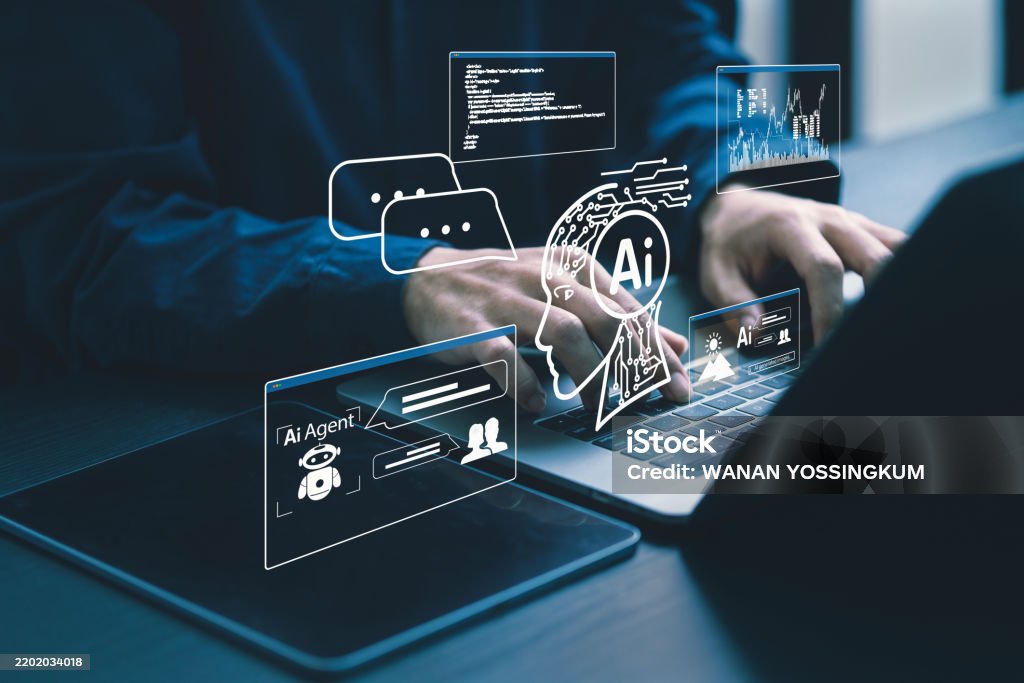
AI assistants are digital tools powered by artificial intelligence that help automate tasks that would otherwise require human effort. Unlike traditional software, modern AI tools can understand instructions, learn patterns, and complete more sophisticated tasks with remarkable speed.
Think of them as intelligent digital assistants that can write emails, answer customer questions, summarize meetings, manage appointments, create marketing content, and even analyze business data.
While many people associate AI with large corporations, small and medium-sized businesses are increasingly embracing these tools to improve efficiency without increasing costs.
Why Businesses Are Turning to AI
The reality is simple. Hiring more staff is expensive.
Businesses today face rising operational costs, tighter budgets, and increasing customer expectations. Many companies are searching for smarter ways to maintain productivity without overstretching their teams.
AI assistants offer a practical solution.
Instead of spending hours on repetitive tasks, employees can focus on higher-value work such as strategy, creativity, relationship building, and decision-making.
For example, a small marketing agency can use AI to draft social media captions, summarize campaign reports, and brainstorm content ideas. Meanwhile, customer support teams can automate responses to common questions, reducing wait times and improving customer satisfaction.
The result is not necessarily replacing employees, but allowing teams to work smarter.
The Everyday Tasks AI Is Quietly Taking Over
Customer Support
One of the most visible uses of AI is in customer service. Businesses are using AI chatbots to answer frequently asked questions, handle booking inquiries, and provide instant responses at any hour of the day.
This means customers receive faster service while businesses reduce pressure on human teams.
Content Creation
Creating consistent content has become essential for modern businesses, but it can also be time-consuming.
AI assistants are helping brands draft blog posts, write product descriptions, generate email campaigns, and brainstorm social media content.
For businesses with limited marketing teams, this can save several hours every week.
Scheduling and Administrative Work
Administrative tasks often consume valuable time.
AI-powered assistants can organize calendars, summarize meetings, automate reminders, manage appointments, and even draft follow-up emails.
These small efficiencies quickly add up.
Data and Reporting
Many businesses struggle to make sense of large amounts of information.
AI tools can now summarize reports, identify trends, and turn complicated data into digestible insights that business owners can actually use.
Instead of spending hours analyzing spreadsheets, leaders can make quicker and more informed decisions.
What This Means for Sri Lankan Businesses
For Sri Lankan businesses, particularly startups and SMEs, AI presents an opportunity to stay competitive without dramatically increasing operational costs.
A small e-commerce store can automate customer responses. A tuition institute can simplify administrative work. A local restaurant can improve online engagement using AI-generated content ideas.
In a market where businesses are often expected to do more with fewer resources, AI can help bridge the gap.
Of course, adopting AI does not mean removing the human touch. Sri Lankan consumers still value authenticity, trust, and personal interaction. The smartest businesses will be the ones that use AI to support human creativity, not replace it.
The Real Question: Is AI Replacing Jobs?
This remains one of the biggest concerns surrounding artificial intelligence.
While some repetitive tasks may become automated, many experts believe AI will reshape jobs rather than eliminate them entirely.
Employees may spend less time on repetitive administrative work and more time solving problems, building relationships, and thinking creatively.
In many ways, AI is becoming a tool for productivity rather than replacement.
Businesses that resist technological change may eventually struggle to compete with those that embrace smarter systems.
Final Thoughts
The rise of AI assistants may seem quiet, but its impact is growing louder every day.
Businesses are no longer asking whether AI matters. They are asking how quickly they can integrate it into their workflow.
The companies thriving in 2026 will likely be those that understand a simple truth: productivity is no longer just about working harder. It is about working smarter.
And increasingly, AI assistants are helping businesses do exactly that.