
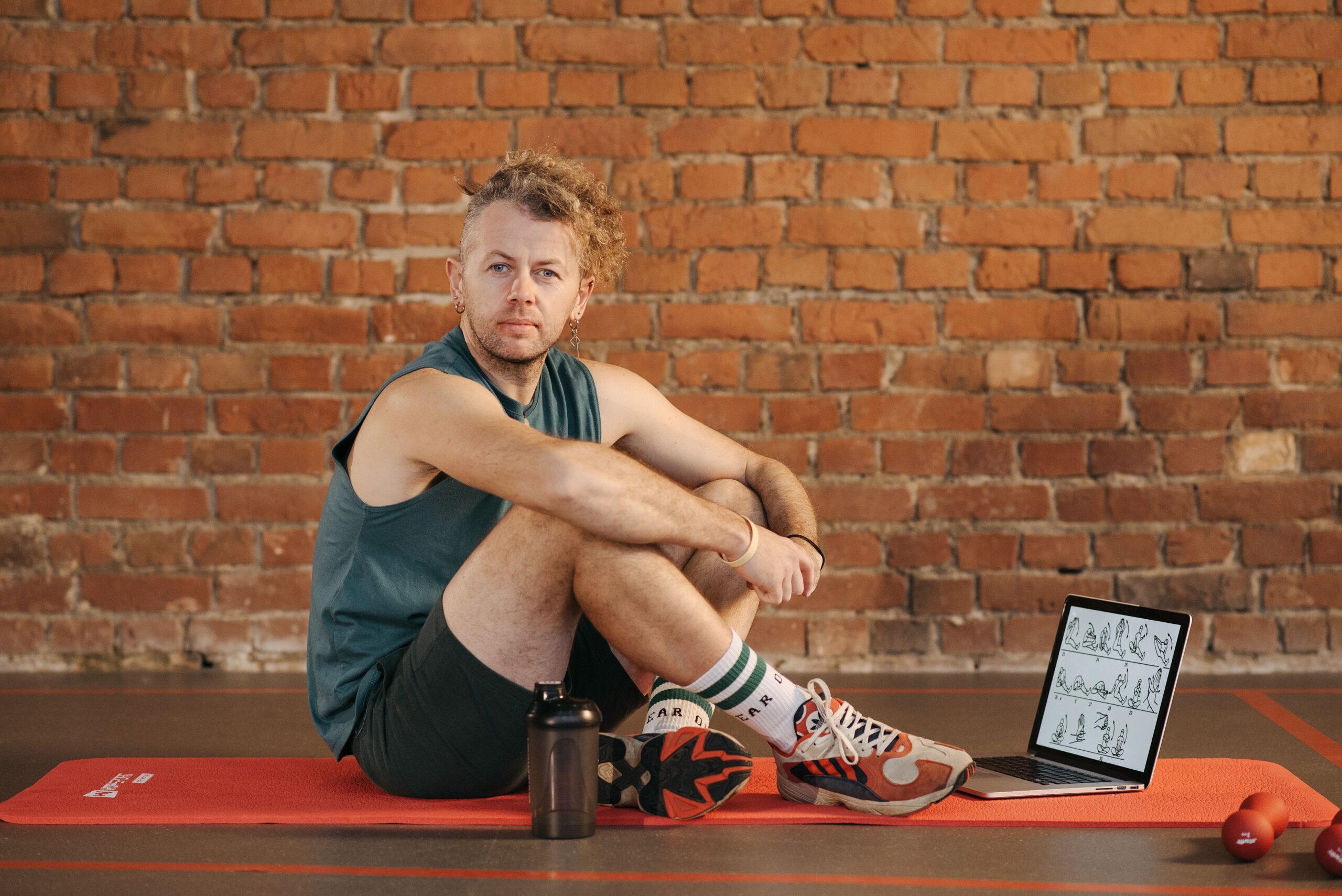
Fitness has entered a new era.
Not long ago, working out often meant visiting a gym, following printed workout plans, or relying solely on personal trainers for guidance. Exercise routines were typically built around fixed schedules, limited information, and traditional methods.
Today, however, technology is transforming fitness in ways few could have imagined.
From workout apps and smart watches to virtual trainers and artificial intelligence powered fitness plans, people are exercising differently than ever before. Fitness is becoming more personalised, flexible, and accessible, changing not only how people work out, but also how they think about health itself.
The modern workout no longer begins only at the gym.
Increasingly, it begins with a screen.
The Rise of Fitness Apps
One of the biggest changes in the fitness industry has been the rise of mobile workout applications.
Today, people can access personalised workout routines, calorie trackers, yoga sessions, strength training plans, guided meditation, and nutrition advice directly from their smartphones.
Fitness has become more convenient.
Someone with a busy schedule can complete a quick workout at home, follow a guided routine while travelling, or exercise whenever time allows.
Many apps also offer progress tracking, goal setting, reminders, and personalised recommendations, helping users stay consistent and motivated.
In many ways, fitness has become more adaptable to everyday life.
Wearable Technology Is Changing Health Tracking
Smart watches and fitness trackers have also changed how people understand their bodies.
Devices can now monitor heart rate, daily movement, calories burned, sleep quality, oxygen levels, and workout intensity in real time.
This instant access to health information allows users to make more informed decisions about exercise and recovery.
Rather than guessing progress, people can now measure it.
For many individuals, seeing daily step counts, fitness goals, or workout milestones creates additional motivation and accountability.
Technology has turned health tracking into something immediate and personal.
The Growth of Virtual Fitness
Technology has also expanded where fitness happens.
Online workout classes, livestream training sessions, and virtual personal coaching have become increasingly popular.
People no longer need expensive memberships or physical gym access to stay active.
A yoga class can happen in a bedroom.
Strength training can happen in a living room.
A fitness coach may now exist on a smartphone screen rather than inside a gym.
This flexibility has made exercise more accessible to people with busy schedules, financial limitations, or personal preferences for home workouts.
Artificial Intelligence and Personalised Fitness
Artificial intelligence is beginning to play an increasingly important role in fitness.
Some platforms now use AI to recommend personalised workout plans based on age, goals, fitness level, activity history, and body performance.
Rather than following generic routines, people can receive customised fitness guidance designed specifically for their needs.
AI powered systems can also adjust workouts over time, helping users progress safely and efficiently.
In the future, fitness may become even more personalised than it is today.
The Challenges of Digital Fitness
Despite its many advantages, technology driven fitness also raises important concerns.
Over reliance on fitness tracking can sometimes create pressure or unhealthy comparisons.
Social media fitness culture may encourage unrealistic body expectations, while misinformation online can sometimes lead to unsafe exercise practices.
Additionally, digital convenience should not replace proper movement, rest, or professional advice when needed.
Technology can support fitness.
But balance still matters.
Final Thoughts
Technology is changing the fitness world in remarkable ways.
Exercise is becoming smarter, more accessible, and increasingly tailored to individual lifestyles.
For many people, fitness no longer depends on expensive equipment or fixed gym routines.
Instead, it fits around modern life.
As technology continues to evolve, workouts may become even more personalised, interactive, and data driven.
Yet despite all the innovation, one truth remains unchanged.
Fitness still begins with movement, consistency, and the willingness to start.
Technology may guide the journey.
But people still take the first step.