Sri Lanka is exploring the possibility of entering into another financial assistance programme with the International Monetary Fund (IMF), as the government seeks to move beyond economic stabilisation and place greater emphasis on sustainable growth and long-term development.
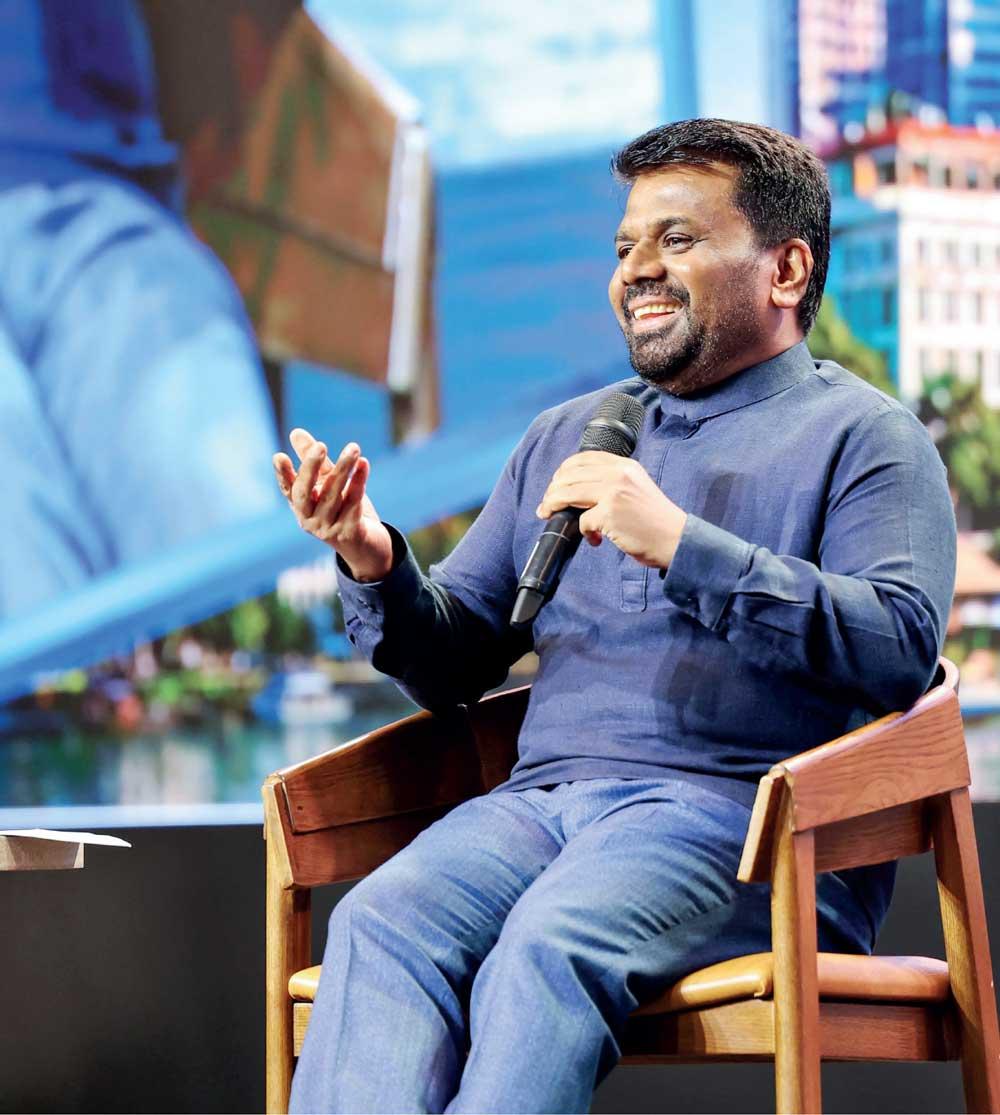
President Anura Kumara Dissanayake has indicated that any future agreement with the IMF must align with the country’s economic expansion goals while safeguarding the progress achieved since the financial crisis.
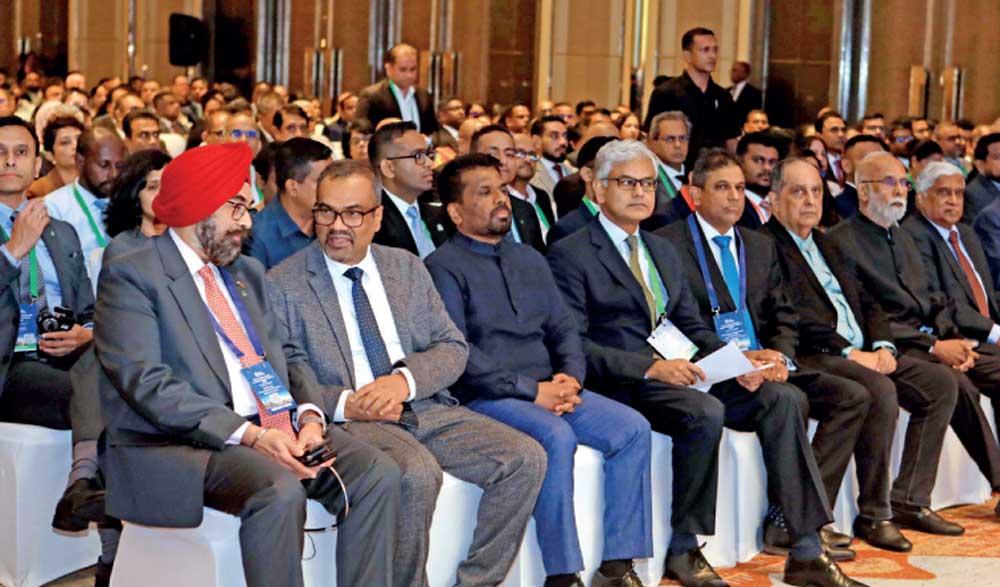
Speaking during a fireside discussion at the inauguration of the Sri Lanka Economic Summit 2026, organised by the Ceylon Chamber of Commerce, the President revealed that the government was evaluating its options for continued cooperation with the international financial institution once the existing arrangement concludes.
Although no formal decision has been reached, discussions are taking place among senior economic policymakers, representatives of the Finance Ministry and officials of the Central Bank to determine whether a successor programme would serve Sri Lanka’s evolving economic priorities.
The President emphasised that the current IMF-supported programme has primarily concentrated on restoring macroeconomic stability, rebuilding confidence and addressing the financial imbalances that contributed to the country’s economic crisis.
However, he explained that the next stage of Sri Lanka’s economic journey requires a broader strategy focused on accelerating economic growth, attracting investment and strengthening the country’s productive capacity.
Accordingly, the government would consider entering into a new IMF arrangement if both parties could establish a framework that supports these objectives without compromising the economic stability already achieved.
Despite recognising the considerable improvements in the country’s financial position, President Dissanayake acknowledged that several challenges remain unresolved. In particular, Sri Lanka must continue strengthening its foreign exchange reserves and improving its international creditworthiness to establish a more resilient economy.
The possibility of a follow-up IMF programme had previously been addressed during the institution’s September mission to Sri Lanka.
At a press briefing held in Colombo on September 23, IMF Mission Chief for Sri Lanka Evan Papageorgiou explained that the decision to pursue another arrangement would ultimately rest with the Sri Lankan government.
He indicated that such a decision would depend on the country’s economic objectives, financing requirements and assessment of whether additional IMF assistance would be beneficial.
Papageorgiou also clarified that the IMF could maintain its engagement with Sri Lanka even without a formal lending programme. Such cooperation could include technical assistance, financial sector evaluations and other forms of institutional support designed to reinforce economic stability.
At the time of the September briefing, two programme reviews remained outstanding under Sri Lanka’s existing Extended Fund Facility (EFF).
Further progress has since been reported, with Sri Lanka and the IMF reaching a staff-level agreement on the seventh review of the programme earlier in October.
The agreement could unlock an additional US$345 million in financial assistance, subject to the completion of several requirements.
These include approval from the IMF Executive Board, the presentation of a 2027 national budget consistent with programme commitments and the successful completion of a financing assurances review.
If the necessary approvals are secured, cumulative disbursements under the programme are expected to reach approximately US$2.7 billion.
Meanwhile, the IMF continues to emphasise the importance of structural reforms in strengthening Sri Lanka’s long-term economic prospects.
The institution has highlighted that restoring financial stability represents only one stage of the recovery process. Achieving meaningful economic transformation will require consistent policy implementation, improved competitiveness and a stronger environment for domestic and foreign investment.
Among the key reforms identified by the IMF are the liberalisation of international trade, modernisation of business and labour regulations, greater accessibility to financial services and the wider adoption of digital technologies.
These measures are intended to reduce barriers to investment, encourage entrepreneurship, improve productivity and create opportunities for sustained economic expansion.
Nevertheless, Sri Lanka’s recovery remains vulnerable to developments beyond its borders.
The IMF has identified geopolitical tensions in the Middle East, uncertainty surrounding international trade policies and potential weather-related disruptions associated with El Niño as significant risks to the country’s economic outlook.
Such developments could create additional pressure on trade, energy costs, agricultural production and foreign exchange earnings, potentially complicating efforts to maintain the momentum of economic recovery.
To strengthen resilience against these challenges, the IMF has encouraged Sri Lanka to build stronger fiscal and external financial buffers while maintaining progress in revenue collection and public financial management.
The institution has also stressed the need for energy pricing mechanisms that reflect supply costs and for improvements in the implementation of public investment projects, particularly where delays have affected planned capital expenditure.
As Sri Lanka considers the next phase of its relationship with the IMF, the government’s challenge will be to balance financial discipline with policies that encourage investment, employment creation and economic expansion.
The President’s remarks suggest that future cooperation with the IMF may increasingly be evaluated not merely on its ability to preserve economic stability, but also on its potential to facilitate a stronger, more competitive and sustainable Sri Lankan economy.
Image Disclaimer: All images featured in this article are the property of their respective copyright owners. They are used solely for illustrative and informational purposes. No ownership of third-party images is claimed.