Today’s customers are not shopping the way they used to — and businesses that fail to notice may struggle to stay relevant.
A few years ago, price alone could convince someone to buy a product.
Today? Not so much.
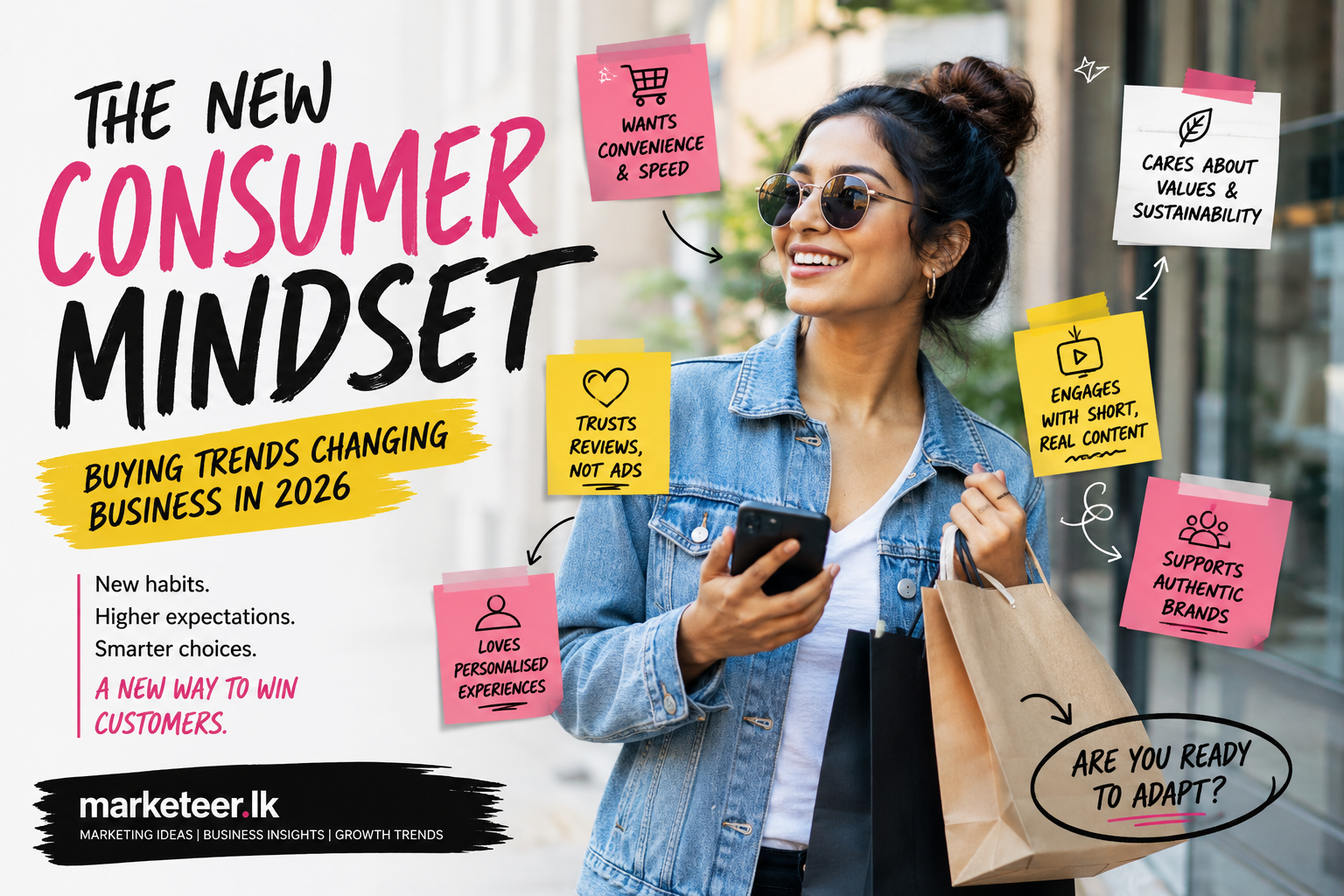
Consumers are becoming smarter, more selective, and more emotionally driven. They want convenience, trust, speed, personalisation, and brands that actually understand them.
The biggest shift? Customers aren’t just buying products anymore — they’re buying experiences, values, and connections.
For businesses in Sri Lanka and beyond, understanding how consumer behaviour is changing may be one of the smartest things they can do.
Here are the biggest consumer buying trends reshaping business in 2026.
1. Customers Want Convenience More Than Ever
Modern consumers expect things to be fast and easy.
Whether it’s online shopping, same-day responses, quick deliveries, or digital payments, convenience now heavily influences buying decisions.
People are busy — and businesses making life easier often win.
Why This Matters
Customers increasingly prefer businesses that offer:
- Quick communication
- Easy ordering systems
- Fast payment methods
- Smooth customer experiences
Sri Lankan Example
Many local food businesses and small online stores are growing rapidly simply because ordering through WhatsApp or Instagram feels quick and convenient.
Sometimes convenience matters more than price.
2. Trust Is Becoming More Valuable Than Advertising
Consumers are becoming more sceptical of traditional ads.
Instead of believing advertisements immediately, people now check:
- Reviews
- Social proof
- Customer experiences
- Influencer recommendations
- Brand reputation
Think About It
How often do people search for reviews before buying something?
Exactly.
Businesses that build trust often outperform businesses spending heavily on ads.
Actionable Tip
Encourage:
- Customer reviews
- Testimonials
- Honest feedback
- User-generated content
Trust sells.
3. Personalisation Is Changing Expectations
Customers increasingly expect brands to understand what they like.
Generic marketing feels outdated.
People respond better when businesses:
- Recommend relevant products
- Send personalised offers
- Understand preferences
- Create tailored experiences
Example
A clothing store recommending styles based on previous purchases feels more helpful than random promotions.
Customers like feeling understood.
Business Insight
Even simple personalisation can improve customer loyalty.
4. Customers Care More About Brand Values
People increasingly support brands that align with their beliefs.
Consumers today pay attention to:
- Sustainability
- Ethical practices
- Diversity
- Transparency
- Social responsibility
This is especially true among younger consumers.
Sri Lankan Shift
Many consumers are increasingly supporting local businesses, eco-friendly brands, and businesses promoting ethical practices.
What your brand stands for increasingly matters.
5. Short Attention Spans Are Changing Marketing
People scroll quickly.
Which means businesses have less time to grab attention.
Consumers increasingly engage with:
- Short videos
- Quick-read content
- Visual storytelling
- Relatable content
Why This Matters
If your message takes too long to get interesting, people move on.
The brands winning attention today often keep things:
simple, relatable, and engaging.
6. Customers Want Human Brands
People increasingly connect with brands that feel real.
Perfect corporate messaging? Less effective.
Relatable businesses? More memorable.
Customers enjoy:
- Behind-the-scenes content
- Founder stories
- Real customer interactions
- Honest communication
Example
A small Sri Lankan café showing daily behind-the-scenes moments on Instagram may build stronger loyalty than a polished but distant competitor.
People connect with people.
7. Loyalty Is Becoming Harder to Earn
Consumers have endless choices.
Which means loyalty isn’t automatic anymore.
Businesses must continuously provide:
- Great service
- Consistency
- Good experiences
- Real value
Ask Yourself
Why should customers keep choosing your brand when dozens of alternatives exist?
The answer matters.
The Bottom Line
Consumer behaviour is changing faster than many businesses realise.
Today’s customers want convenience, trust, personalisation, authenticity, and brands they genuinely connect with.
Businesses paying attention to these shifts may not only survive — they may grow faster than competitors still using outdated strategies.
Because the future of business starts with understanding the future customer.