Artificial intelligence is changing how music is created, distributed and discovered, raising new questions about authenticity, copyright and the future of the music industry. As AI tools become capable of producing complete songs, including lyrics, vocals and instrumentals, listeners may increasingly encounter music created partly or entirely by machines on streaming platforms such as Spotify and Apple Music.
The rapid growth of generative AI has made music production more accessible than ever. Users can now create songs by entering simple text prompts describing a genre, mood, lyrical theme or vocal style. What once required recording equipment, musical training and hours in a studio can increasingly be accomplished using AI-powered applications.
While these tools offer new creative opportunities, they are also making it harder for listeners to understand how the music they hear was produced. The growing volume of AI-generated tracks has prompted streaming services to reconsider how music is labelled, recommended and monetised.
The Growing Presence of AI Music
AI-generated music has moved beyond experimental technology into the commercial music industry. Platforms such as Suno allow users to produce complete songs with relatively little technical knowledge, attracting both aspiring creators and experienced musicians exploring new production methods.
The scale of adoption is significant. Suno has reported that more than 100 million people have created music using its service, illustrating how quickly AI-assisted music production has expanded. Some AI-generated songs have also attracted substantial audiences on streaming platforms, demonstrating that machine-created music can reach listeners beyond the communities experimenting with the technology.
However, the increasing availability of AI music creates a challenge for streaming services. Millions of new tracks compete for attention, and some may be uploaded in large quantities to manipulate recommendations, generate artificial streams or take advantage of royalty systems.
The issue is not simply whether AI can produce a song that sounds convincing. Streaming platforms must also determine how to distinguish legitimate creative experimentation from spam, impersonation and content designed primarily to exploit their systems.
Can Listeners Tell the Difference?
One of the central questions surrounding AI-generated music is whether listeners can reliably recognise it. Advances in generative technology allow AI systems to produce convincing vocals, familiar musical arrangements and lyrics designed to evoke particular emotions.
For listeners, the distinction between human-created and machine-generated music may not always be obvious. A track can sound polished and emotionally engaging without making its production process apparent. Some people may enjoy a song before discovering that AI played a substantial role in creating it.
This raises questions about transparency and consumer choice. Listeners may be comfortable with AI being used to assist a human musician with production, composition or sound design, but feel differently about a track in which the vocals, lyrics and instrumentation were generated almost entirely by a machine.
The distinction matters because music is not valued solely for its sound. For many listeners, an artist’s personal experiences, creative decisions and identity are part of the connection they develop with a song.
At the same time, AI-generated music does not necessarily lack human involvement. A creator may write the lyrics, refine prompts, select arrangements and edit the final result. The challenge is establishing meaningful ways to communicate the extent of AI’s contribution without treating every use of the technology as identical.
Spotify Introduces Measures to Protect Artists and Listeners
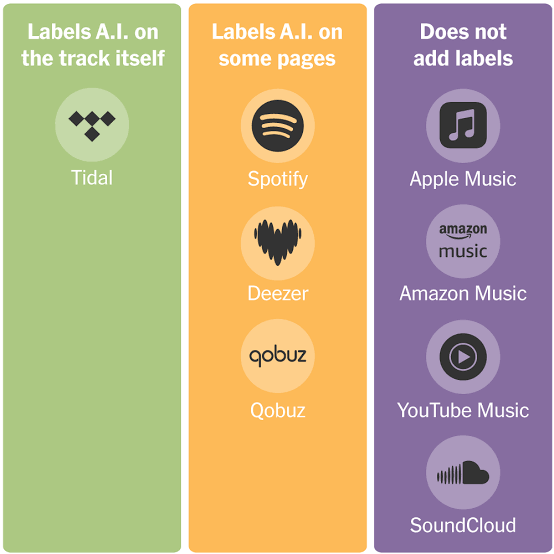
Spotify has been strengthening its approach to AI-generated content, focusing on reducing spam, addressing impersonation and giving listeners more information about the music they hear.
In an update published on 20 October 2026, Spotify said it had removed more than 75 million spammy tracks from its platform for serious or repeated violations of its rules. The company also reported that it had taken more than 50 million tracks identified as spam or low-quality content out of recommendations during the year.
The platform uses a combination of signals to identify suspicious material, including listening behaviour, upload patterns, metadata and information from third-party AI detection tools. Spotify has acknowledged that no single detection method can reliably identify every problematic track as generative AI technology continues to develop.
The company has also introduced AI Credits, allowing artists to disclose which aspects of a recording involved artificial intelligence. These details can appear in song credits, helping listeners understand how technology contributed to a track’s creation.
Another initiative, Verified by Spotify, helps listeners identify music associated with real, identifiable artists. The company has also introduced labels for AI-generated artist identities and is developing tools that allow musicians to review releases attributed to their profiles before those releases appear on the service.
These measures reflect an effort to distinguish the legitimate use of AI in music production from practices that mislead listeners or undermine artists’ work.
Apple Music and the Push for Greater Transparency
Apple Music is also part of the wider debate over how streaming services should handle AI-generated music. As the volume of AI-assisted and fully generated tracks grows, the industry faces increasing pressure to provide clearer information about how songs are made.
AI disclosure can help listeners make informed decisions, but effective labelling depends on accurate information being supplied by artists, record labels and music distributors. Identifying the use of AI is particularly complicated when a track combines human performance with machine-generated vocals, instrumentation or composition.
There is also an important distinction between using AI as a creative assistant and generating most of a song through automated systems. A musician who uses AI to refine an instrumental arrangement has a different creative role from someone who generates an entire recording with minimal human input.
As streaming services develop their policies, establishing consistent definitions and disclosure standards could become increasingly important. Without a common approach, listeners may encounter different labelling practices across platforms, making it difficult to compare the information provided about individual tracks.
Copyright and Fair Compensation Remain Major Concerns
Beyond transparency, AI-generated music has intensified long-running debates about copyright and compensation. AI music systems can be trained using large collections of recordings, raising questions about whether copyrighted material was used appropriately and whether artists should receive compensation when their work contributes to the development of generative models.
Record labels and music companies have pursued legal action against AI music generators over alleged copyright infringement, while technology companies have argued for the creative potential of their tools. Some industry participants are also exploring licensing agreements that could allow AI music services and established rights holders to work together.
The debate extends to streaming royalties. If large quantities of automatically generated music enter streaming catalogues, platforms must ensure that royalty systems are not manipulated at the expense of musicians and songwriters.
Spotify’s existing royalty eligibility rules, for example, require a track to reach a minimum of 1,000 streams within a specified period before it qualifies for recorded-music royalties. The company says tracks with indicators suggesting a high probability of AI generation are ten times more likely than other tracks to fall below that threshold.
Nevertheless, AI-generated music is not inherently fraudulent, and the use of AI alone does not establish that a recording infringes copyright. The key questions include how the music was created, whether the necessary rights were obtained, whether an artist’s identity was used without permission and whether streaming activity is genuine.
A New Chapter for the Music Industry
The growth of AI-generated music presents both opportunities and challenges for artists, streaming companies and audiences. Generative tools can lower barriers to music production, help independent creators experiment with new sounds and provide musicians with additional ways to develop their ideas.
At the same time, the increasing volume of machine-generated content could make it more difficult for emerging artists to attract attention. It may also force streaming services to invest further in moderation, detection systems and policies that protect listeners from misleading content.
The future of AI music will therefore depend on more than the quality of the technology. Copyright protections, transparent disclosure, fair compensation and effective safeguards against manipulation will all influence how the industry develops.
As Spotify, Apple Music and other platforms respond to these changes, listeners may increasingly expect to know not only what they are hearing, but also how it was made. The challenge for the industry is to make room for technological experimentation without compromising trust in the artists, music and platforms that audiences value.
Image Disclaimer: Pictures used belong to their respective rightful owners.