
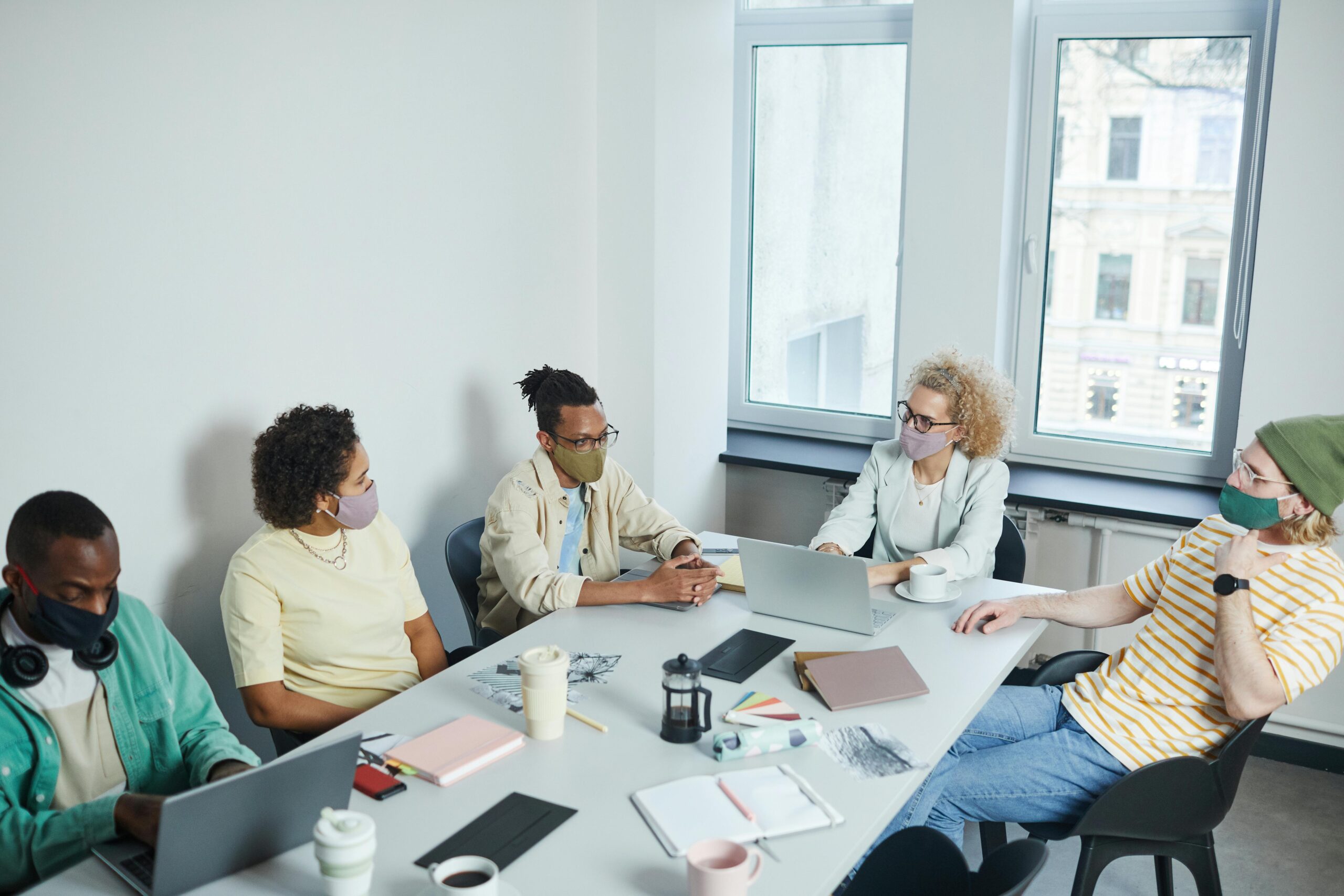
For decades, work followed a familiar rhythm.
Morning commutes, office desks, coffee breaks, crowded meeting rooms, and the daily rush home after a long day. For many, the traditional office was not simply a workplace. It was part of everyday life.
But in 2026, that picture looks very different.
Across industries, businesses are embracing a new model known as hybrid work, where employees divide their time between working remotely and coming into the office.
Some employees work from home a few days a week. Others only visit the office when collaboration is needed. For many companies, flexibility is no longer an experiment. It is becoming the new normal.
So, is the traditional office era slowly changing?
The answer may very well be yes.
What Exactly Is Hybrid Work?
Hybrid work combines remote work with in-office work.
Rather than expecting employees to be physically present every day, companies offer more flexibility in how and where people work.
Some businesses follow fixed hybrid schedules, requiring staff to be in the office on certain days. Others give employees the freedom to decide what works best for them.
The goal is simple: maintain productivity while giving people greater flexibility.
For employees, this often means fewer commutes, better work life balance, and more control over their schedules.
For businesses, it can mean reduced operational costs and happier teams.
Why Businesses Are Embracing Hybrid Work
Employees Want More Flexibility
One of the biggest reasons for the rise of hybrid work is changing employee expectations.
Today’s workforce, especially younger professionals, increasingly values flexibility alongside salary.
Many employees no longer want to spend hours commuting every day when certain tasks can easily be completed from home.
People are asking an important question:
If the work can be done remotely, why should flexibility not be an option?
Companies that ignore these expectations may struggle to attract and retain talent.
Productivity Looks Different Now
For years, productivity was often associated with physical presence.
If someone sat at a desk for eight hours, they were considered productive.
But businesses are beginning to rethink this mindset.
Many organizations have discovered that employees can remain highly productive while working remotely, particularly for tasks requiring concentration and independent work.
At the same time, offices still offer benefits for brainstorming, teamwork, and relationship building.
Hybrid work attempts to balance both worlds.
The Office Is Not Disappearing Completely
Despite the growing popularity of remote work, offices are not vanishing overnight.
Instead, their purpose is changing.
Many workplaces are becoming collaboration hubs rather than spaces for daily desk work.
Instead of endless meetings and rigid schedules, offices are increasingly being used for team discussions, workshops, creative sessions, and social connection.
In other words, companies are asking:
What truly requires people to be physically together?
Challenges Businesses Still Face
Of course, hybrid work is not perfect.
Communication gaps, team coordination, workplace culture, and employee accountability remain challenges for many businesses.
Some employees thrive in remote settings, while others prefer face-to-face interaction.
Finding the right balance often depends on the company, industry, and employee needs.
The biggest challenge for leaders may be learning how to manage teams built on trust rather than constant supervision.
What This Means for Sri Lankan Workplaces
Sri Lanka is also beginning to experience this shift.
Many companies, especially in technology, marketing, education, and digital services, are experimenting with more flexible working arrangements.
Young professionals increasingly prioritize flexibility and workplace culture when choosing employers.
For businesses hoping to remain competitive, hybrid work may soon become less of a bonus and more of an expectation.
Final Thoughts
The office era may not be ending, but it is certainly evolving.
Work is no longer defined by one location, one schedule, or one routine.
Instead, businesses are beginning to understand that flexibility and productivity can exist together.
The companies that adapt to this changing reality may find themselves building stronger, happier, and more productive teams.
Because in 2026, success at work may no longer depend on where people work, but how they work.