The concept of home is evolving.
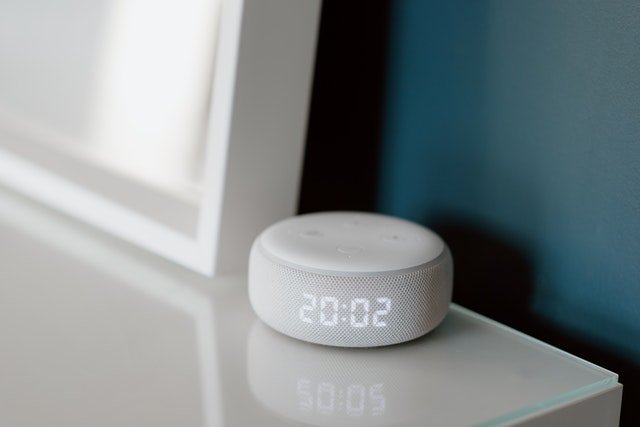
Once defined simply as a place of comfort and shelter, homes today are becoming increasingly intelligent, connected, and technology driven. Lights can switch off automatically, security cameras can be monitored remotely, and voice assistants can manage everything from music playlists to grocery reminders.
What once seemed futuristic is now becoming everyday reality.
Welcome to the age of smart homes.
As technology continues advancing, households across the world are increasingly embracing connected devices designed to improve convenience, efficiency, security, and comfort. But as smart living becomes more common, an important question emerges.
Are smart homes truly the future of modern living?
What Is a Smart Home?
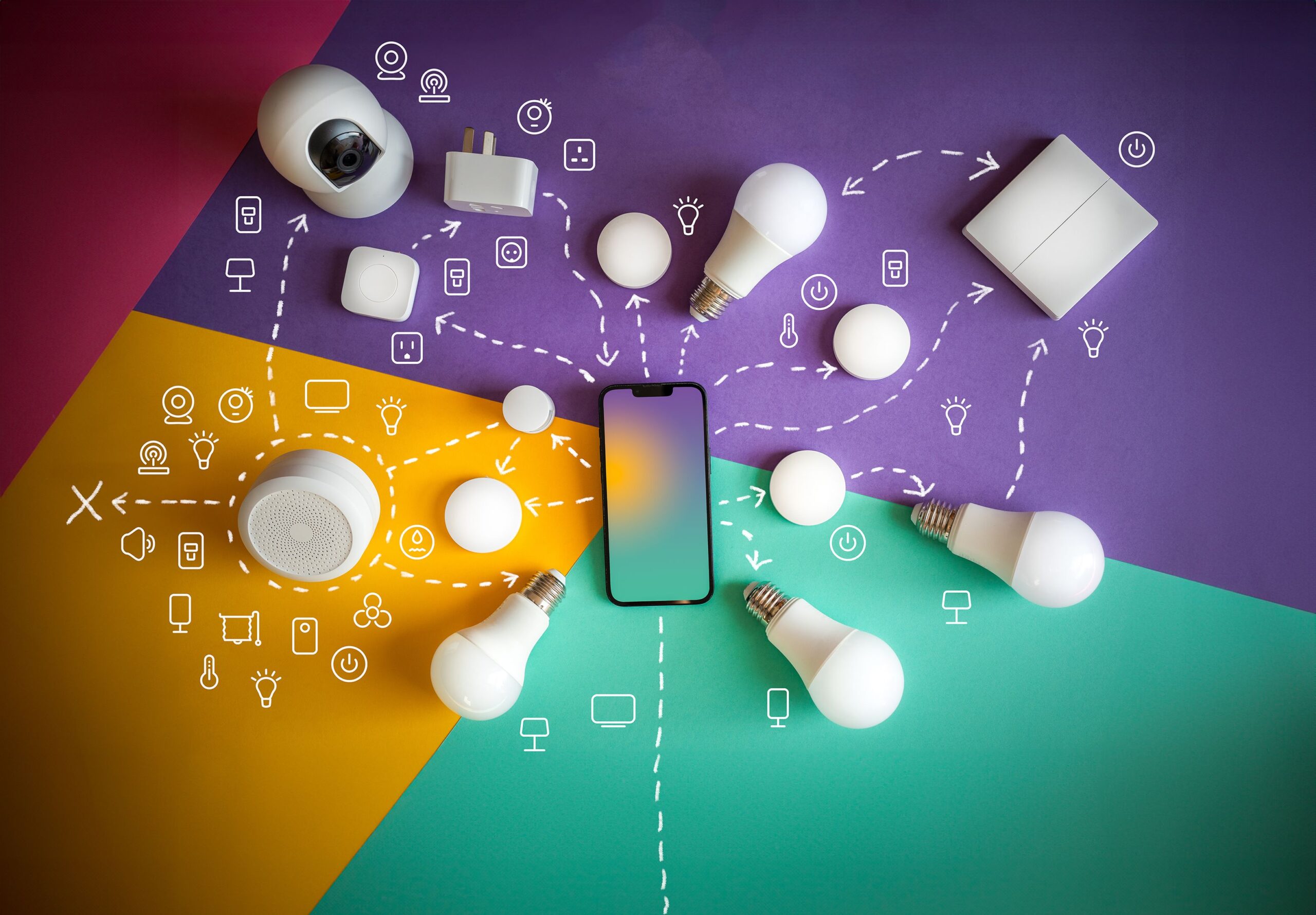
A smart home refers to a living space where devices and systems are connected through the internet, allowing them to be controlled remotely or automated for greater convenience.
Smart technology can include lighting systems, door locks, home security cameras, smart televisions, refrigerators, speakers, thermostats, robotic vacuum cleaners, and even kitchen appliances.
Many of these devices can be managed through smartphones, tablets, or voice assistants.
With a simple command, homeowners can dim lights, monitor security footage, lock doors, adjust room temperatures, or switch on appliances without leaving their seats.
The goal is simple.
To make everyday life easier.
Convenience at the Centre of Smart Living
One of the biggest reasons behind the popularity of smart homes is convenience.
Technology allows people to automate everyday tasks that once required time and effort.
Lights can turn on automatically when someone enters a room.
Air conditioning systems can adjust temperatures before residents arrive home.
Smart refrigerators can even remind users when groceries are running low.
For busy lifestyles, this level of automation can save both time and energy.
The home becomes more responsive to daily routines.
Improved Security and Safety
Smart technology is also changing how people think about home security.
Modern smart homes often include surveillance cameras, motion sensors, digital doorbells, smart locks, and alarm systems that can be monitored from anywhere.
Homeowners can receive instant alerts if unusual activity occurs or remotely check entrances while away.
For many families, this provides greater peace of mind.
Safety features are also improving.
Smart smoke detectors, water leak sensors, and emergency alerts can help reduce risks and prevent accidents before they become serious problems.
Energy Efficiency and Sustainability
Smart homes may also contribute to more sustainable living.
Automated lighting systems and energy efficient devices can help reduce unnecessary electricity usage.
Smart thermostats, for example, can regulate temperatures based on occupancy, reducing wasted energy.
As concerns about climate change and rising utility costs continue growing, smart technology may help households become more environmentally conscious while lowering expenses.
Technology and sustainability are increasingly becoming connected.
Challenges of Smart Homes
Despite the advantages, smart living is not without concerns.
Privacy and cybersecurity remain major issues.
As more devices connect to the internet, concerns around data security and hacking continue to grow.
Cost can also be a challenge.
Many smart home devices remain expensive, limiting accessibility for some households.
Additionally, over dependence on technology may sometimes create frustration when systems fail or internet connections become unreliable.
Like many innovations, balance remains important.
Final Thoughts
Smart homes are no longer distant ideas from science fiction.
They are increasingly becoming part of everyday life.
As technology continues evolving, homes may become even more intelligent, personalised, and energy efficient.
Yet while convenience drives innovation, the true purpose of smart living remains simple.
Creating homes that feel safer, easier, and more comfortable for the people living in them.
The future of housing may not only be about bigger homes or better designs.
It may be about smarter living.