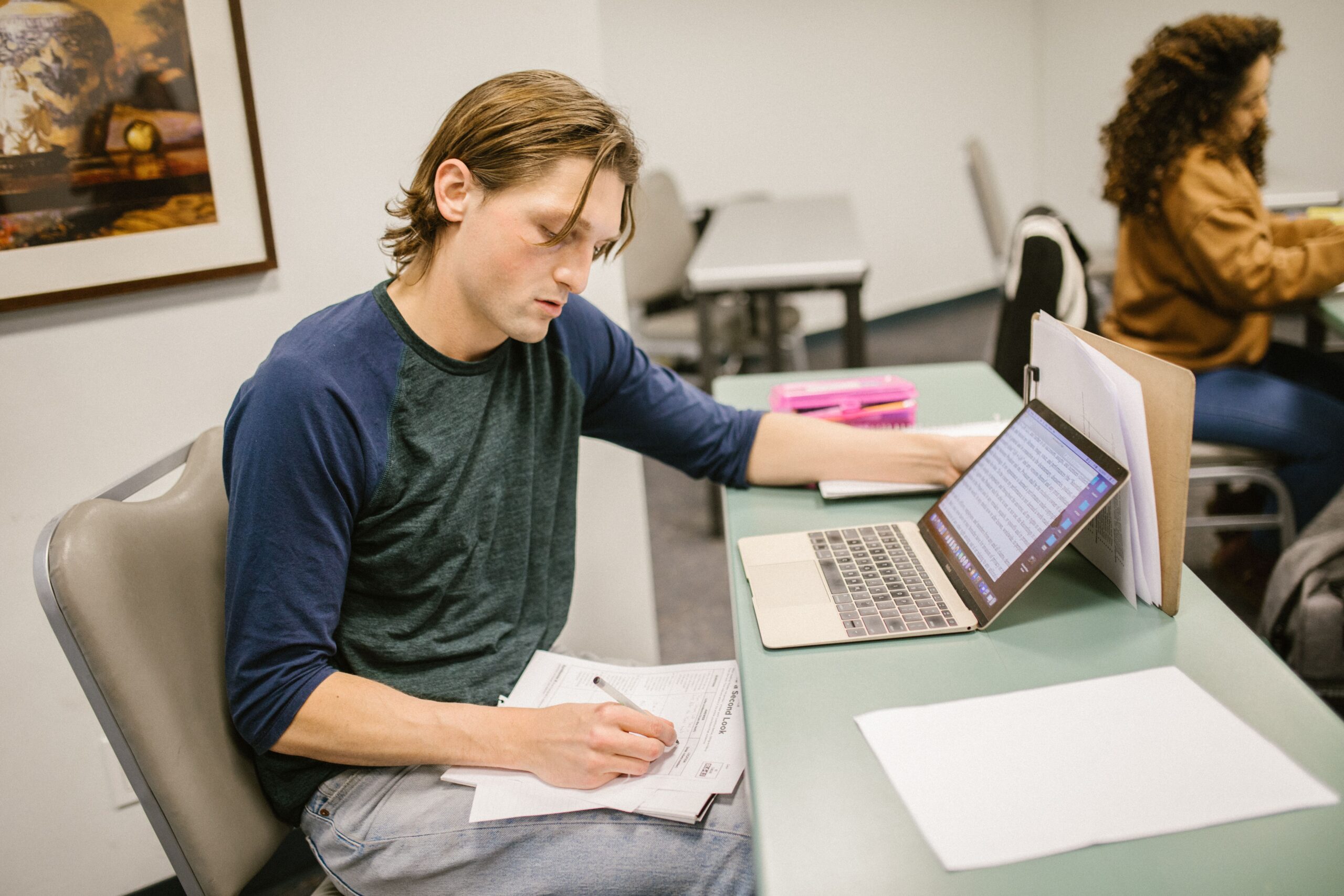
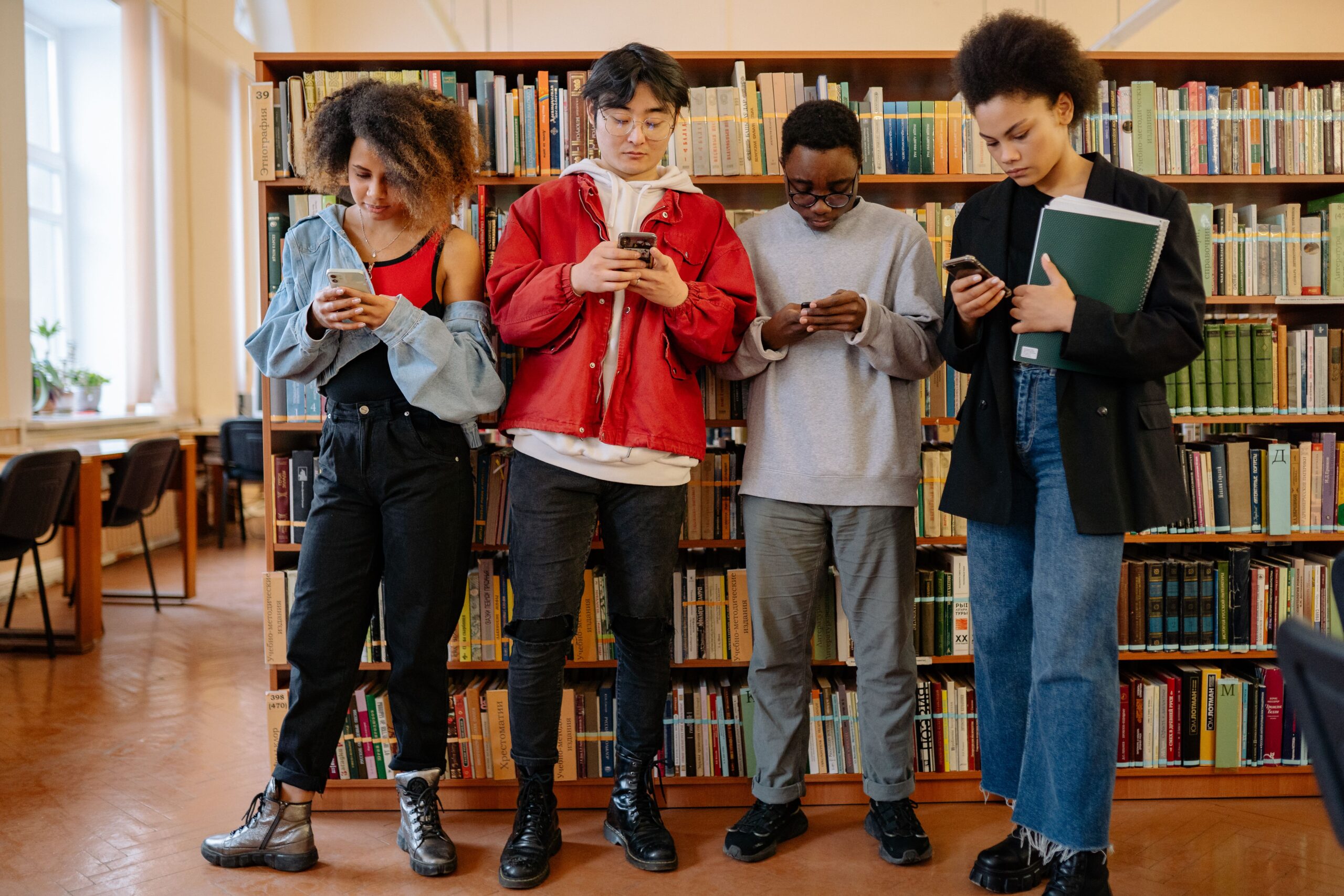
Social media has become a major part of student life.
From checking notifications to watching short videos and messaging friends, platforms such as Instagram, TikTok, and YouTube are used daily by millions of students. While social media offers entertainment and educational benefits, many people are beginning to ask an important question.
How does social media affect student productivity?
The connection between social media and student productivity has become an important topic in education. Some believe digital platforms improve learning and communication. Others argue that excessive screen time may reduce focus and academic performance.
The reality lies somewhere in between.
The Relationship Between Social Media and Student Productivity
Today’s students are more digitally connected than ever before.
Smartphones allow constant access to social media. Students can quickly switch between studying, entertainment, and online conversations within seconds. While this convenience can be helpful, it may also affect concentration.
A quick check of notifications can easily become 30 minutes of scrolling.
Many students struggle with staying focused because social media platforms are designed to capture attention. Videos, trends, and endless updates can make it difficult to return to schoolwork.
As a result, social media and student productivity often become closely connected.
How Social Media Affects Academic Performance
One major concern is the effect of social media on academic performance.
Students who spend too much time online may experience reduced concentration, missed deadlines, and lower study efficiency. Multitasking between studying and scrolling through social media may interrupt focus and reduce information retention.
Sleep can also be affected.
Many students spend hours online before bedtime. Poor sleep may lead to tiredness, lower concentration, and reduced classroom performance the following day.
However, social media is not always harmful.
Educational creators, online study groups, and academic videos now help students learn new concepts more easily. Platforms can support productivity when used correctly.
This shows that the impact of social media on student productivity depends largely on digital habits.
The Positive Side of Social Media for Students
Despite concerns, social media can offer valuable benefits.
Students use online platforms to join study communities, share notes, access tutorials, and improve learning experiences. Educational videos often explain difficult subjects in simpler ways.
Social media may also help students improve communication and stay informed about educational opportunities.
When used responsibly, social media can become a useful learning tool rather than a distraction.
Tips to Improve Student Productivity
Students can build healthier digital habits without completely avoiding social media.
Simple changes can improve focus:
- Turn off notifications while studying
- Set daily screen time limits
- Use productivity apps for focus
- Avoid social media before sleep
- Create dedicated study hours
These habits may help students manage distractions while maintaining balance.
Final Thoughts
The connection between social media and student productivity continues to shape modern education.
Social media can either improve or reduce academic performance depending on how students use it. While excessive scrolling may harm concentration and study habits, educational content and digital communities can support learning.
The key is balance.
Students do not need to completely avoid social media. Instead, learning how to use digital platforms wisely may be one of the most important skills in today’s technology driven world.