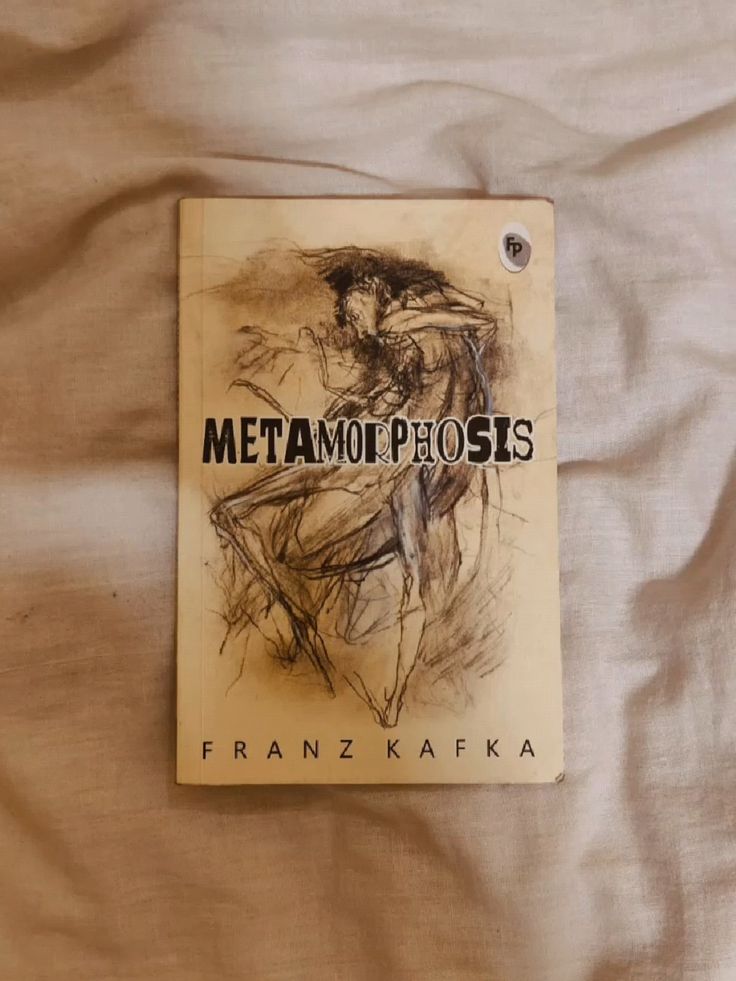
What happens when the person who provides everything suddenly becomes the person everyone wishes would disappear? Franz Kafka’s The Metamorphosis transforms an impossible nightmare into one of literature’s most unsettling examinations of family, identity, isolation and the cruelty of conditional love.
Imagine waking up one morning and discovering that your body is no longer human.
Your hands have disappeared. Your legs no longer obey you. Your voice has become unrecognisable. The bedroom you have slept in for years suddenly feels like a prison.
And outside your door, your family is waiting.
Not to ask whether you are suffering.
But to find out why you haven’t gone to work.
This is the extraordinary opening premise of The Metamorphosis, one of the most influential and disturbing works of twentieth-century literature.
First published in 1915 under the German title Die Verwandlung, Kafka’s novella follows Gregor Samsa, a travelling salesman who awakens to discover that he has transformed into a monstrous insect-like creature.
But the transformation itself is only the beginning.
What makes The Metamorphosis so unforgettable is not what happens to Gregor’s body.
It is what happens to the people who once claimed to love him.
More than a century after its publication, Kafka’s short, surreal and psychologically devastating story continues to confront readers with an uncomfortable question:
If you could no longer provide anything to the people around you, would they still love you?
Franz Kafka: The Man Who Turned Anxiety Into Literature
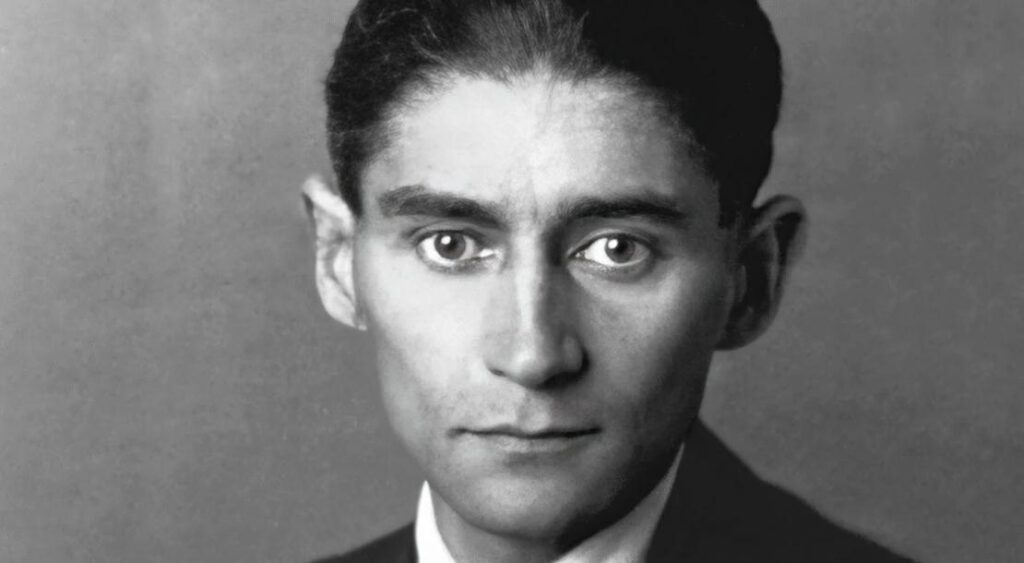
Born in Prague in 1883, Franz Kafka became one of the most influential literary figures of the modern era, despite achieving relatively little public recognition during his lifetime.
Kafka grew up in a German-speaking Jewish family in what was then part of the Austro-Hungarian Empire. He studied law and spent much of his professional life working in insurance.
His writing frequently explored alienation, guilt, authority, anxiety, bureaucracy and the terrifying helplessness of individuals trapped within systems they cannot understand or control.
His difficult relationship with his father, Hermann Kafka, has also attracted considerable scholarly attention, particularly because questions of paternal authority and personal inadequacy recur throughout his fiction.
Kafka died of tuberculosis in 1924, aged just 40.
Before his death, he famously instructed his friend Max Brod to destroy much of his unpublished writing. Brod disregarded that request and subsequently helped bring works including The Trial and The Castle to publication.
Today, Kafka’s influence is so extensive that his surname has become an adjective.
Kafkaesque describes situations that feel absurd, oppressive, bewildering or nightmarishly beyond an individual’s control.
Few writers have altered the vocabulary of modern culture so profoundly.
Gregor Samsa: A Man Who Became a Monster but Remained Human
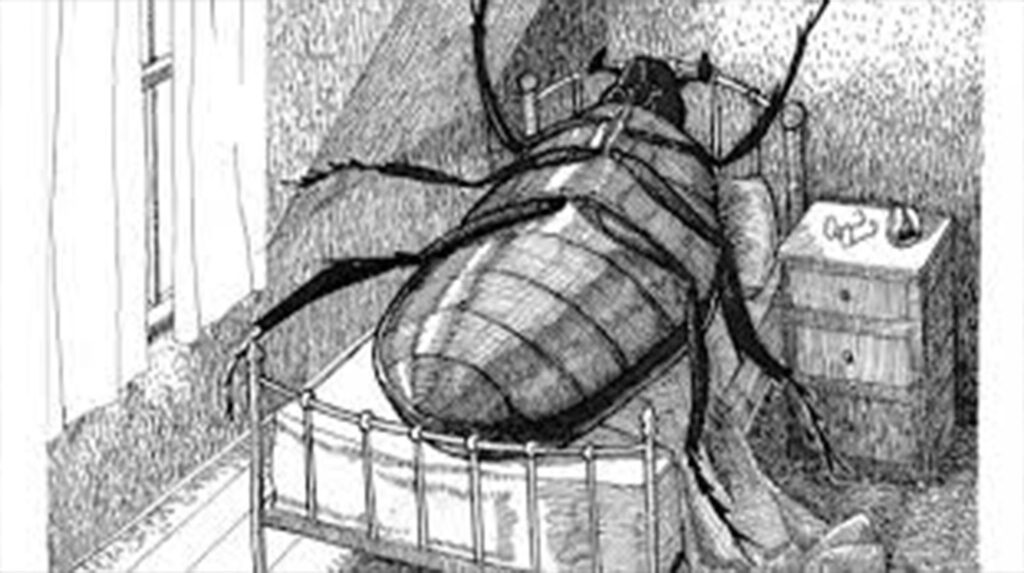
Gregor Samsa is an ordinary travelling salesman whose life revolves around responsibility.
He works tirelessly to support his parents and younger sister, Grete. His job is exhausting, his employer demanding and his personal ambitions almost nonexistent.
He dreams of eventually escaping his obligations.
But for now, he continues working.
Then comes the transformation.
Kafka famously offers no scientific explanation, magical cause or satisfying resolution for Gregor’s condition.
He simply wakes up changed.
What is particularly disturbing is Gregor’s initial reaction.
Rather than immediately confronting the horror of his physical transformation, he worries about missing his train and disappointing his employer.
His first concern is not his humanity.
It is his productivity.
And in that small, absurd detail, Kafka reveals something devastating about the world Gregor inhabits.
Gregor has spent so long existing for other people that even losing his human body cannot free him from the obligation to be useful.
The Family That Loved Gregor—Until He Became a Burden
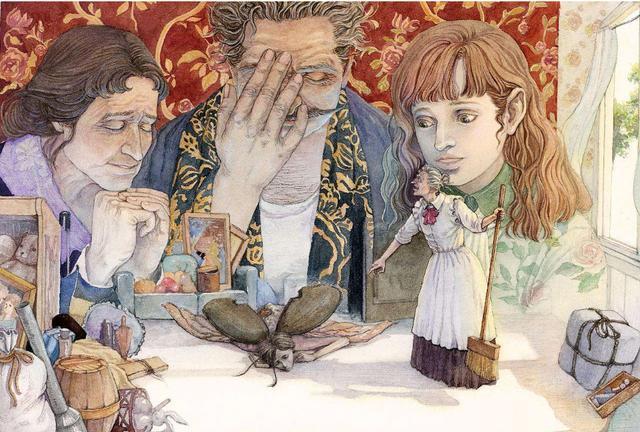
Before his transformation, Gregor is the financial foundation of his household.
His parents depend upon his income. His sister benefits from his sacrifices. His own desires are continually postponed so that his family can maintain their comfortable existence.
Initially, the family responds to his transformation with horror, confusion and occasional sympathy.
His sister Grete attempts to care for him, bringing food and tending to his room. His mother struggles between maternal affection and overwhelming fear. His father responds with increasing hostility.
But as Gregor becomes unable to work, something changes.
Compassion gives way to inconvenience.
Concern becomes resentment.
The family begins reorganising its existence around the problem of Gregor’s continued presence.
And the most heartbreaking aspect is that Gregor remains emotionally human throughout.
He still recognises his family.
He still worries about their welfare.
He still experiences shame, affection and loneliness.
The creature everyone fears is, in many ways, the most compassionate individual in the household.
Kafka forces readers to confront a devastating possibility:
Perhaps Gregor’s transformation did not destroy his family’s love. Perhaps it merely revealed how conditional that love had always been.
Why The Metamorphosis Is So Famous
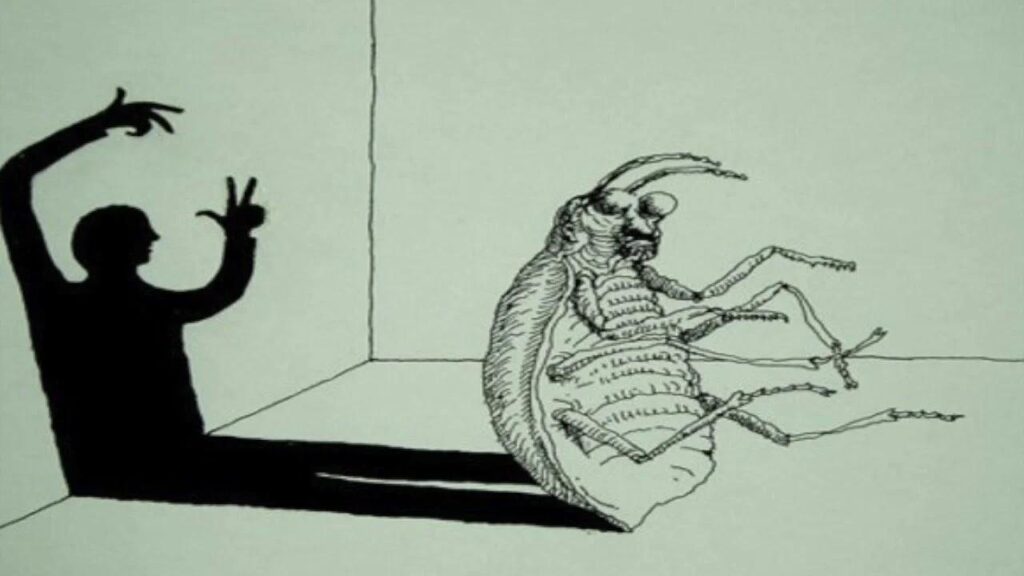
Few works of fiction have inspired as many interpretations as The Metamorphosis.
Some readers see it as a criticism of capitalism and the dehumanising nature of labour.
Others interpret Gregor’s transformation as an allegory for illness, disability, depression or social exclusion.
Some view the story through the lens of family obligation, while others connect it to Kafka’s complicated relationship with paternal authority.
What makes the novella extraordinary is that none of these interpretations completely exhausts its meaning.
Kafka never explains why Gregor transforms.
He never provides a reassuring moral framework.
Instead, he places an impossible event inside an ordinary domestic environment and allows the characters’ reactions to expose uncomfortable truths about human behaviour.
This is precisely what makes the work feel so modern.
Gregor’s circumstances may be fantastical, but his emotions are painfully recognisable.
The fear of disappointing others.
The exhaustion of constant responsibility.
The humiliation of dependence.
The loneliness of being misunderstood.
And the terrifying possibility that your worth might be measured entirely by what you can provide.
More than a century after publication, those anxieties remain remarkably familiar.
Did The Metamorphosis Win Any Literary Awards?

The original novella has no documented major literary-prize wins.
Written in 1912 and first published in 1915, The Metamorphosis appeared before many of today’s internationally recognised literary prizes had been established.
It was first published in the German literary journal Die weißen Blätter in October 1915, followed by its first book edition from Kurt Wolff Verlag later that year. Christie’s+1
Its initial commercial reception was modest, and Kafka did not live to witness the extraordinary global reputation his writing would eventually acquire.
Yet the absence of major awards does little to diminish its significance.
Today, The Metamorphosis is widely studied, translated, adapted and analysed as a foundational work of literary modernism.
Its influence extends into existentialist literature, absurdist fiction, theatre, cinema and contemporary psychological storytelling.
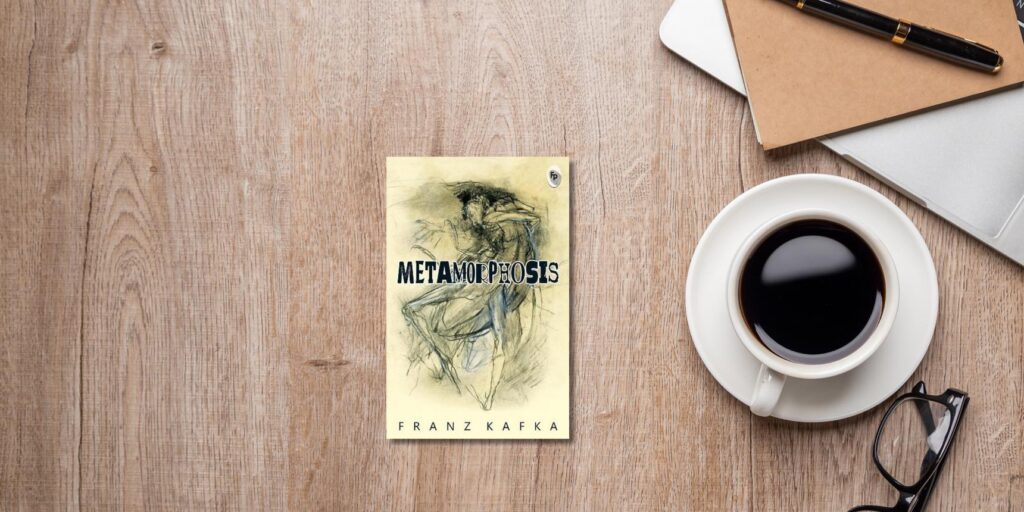
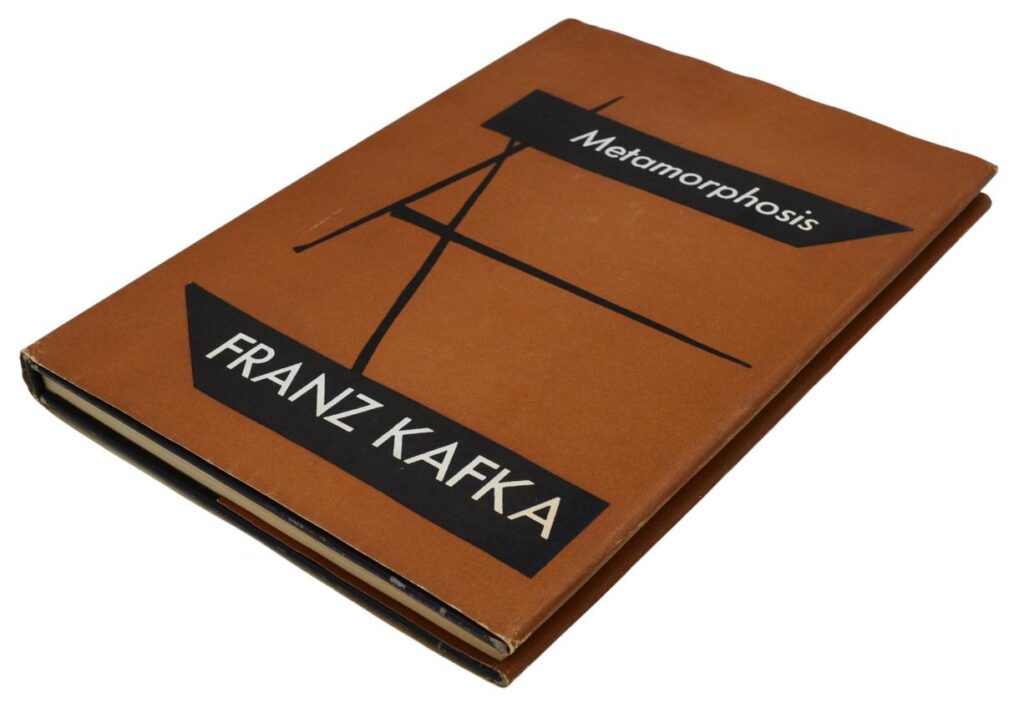
Kafka even objected to the idea of illustrating Gregor’s transformed body on the original book cover, preferring that readers confront the disturbing uncertainty of the creature through their own imaginations. Christie’s+1
It is an extraordinary legacy for a work that initially attracted relatively little commercial attention.
The Hidden Meaning: What Does Gregor’s Transformation Represent?
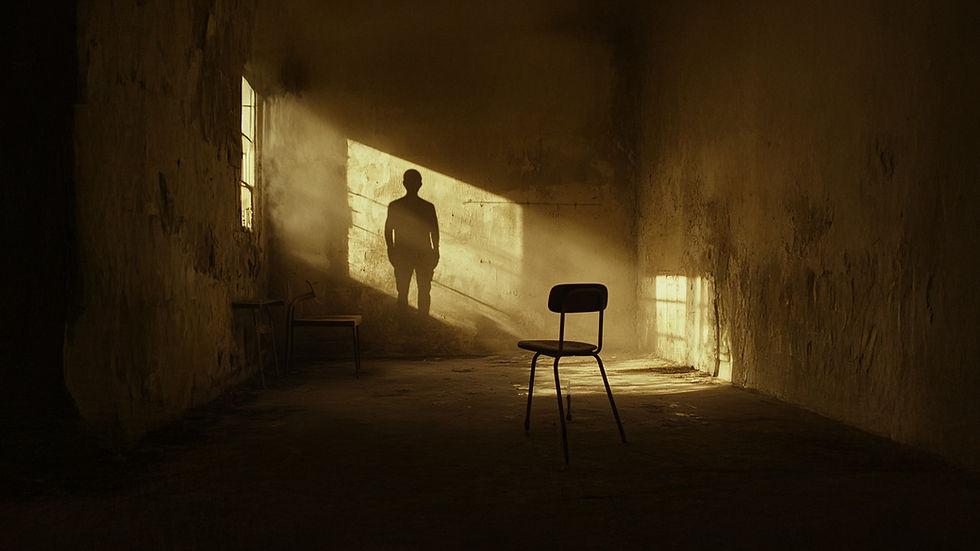
The most compelling interpretation of The Metamorphosis may be that Gregor was already dehumanised before his body changed.
His existence had become almost entirely mechanical.
Wake up.
Work.
Travel.
Earn money.
Support the family.
Repeat.
He has little freedom, few meaningful relationships outside his household and almost no opportunity to pursue personal happiness.
His transformation makes his alienation visible.
The world can finally see the monstrous condition that his daily existence had already created.
But Kafka’s symbolism is not limited to employment.
Gregor’s isolation also raises questions about how society treats people who become dependent upon others.
When someone can no longer work, communicate conventionally or fulfil expected responsibilities, do they become less deserving of dignity?
Gregor’s family increasingly behaves as though the answer is yes.
Kafka’s story suggests something far more disturbing than the existence of monsters.
It suggests that ordinary people can become cruel without ever recognising themselves as cruel.
From Literature to Film and Theatre
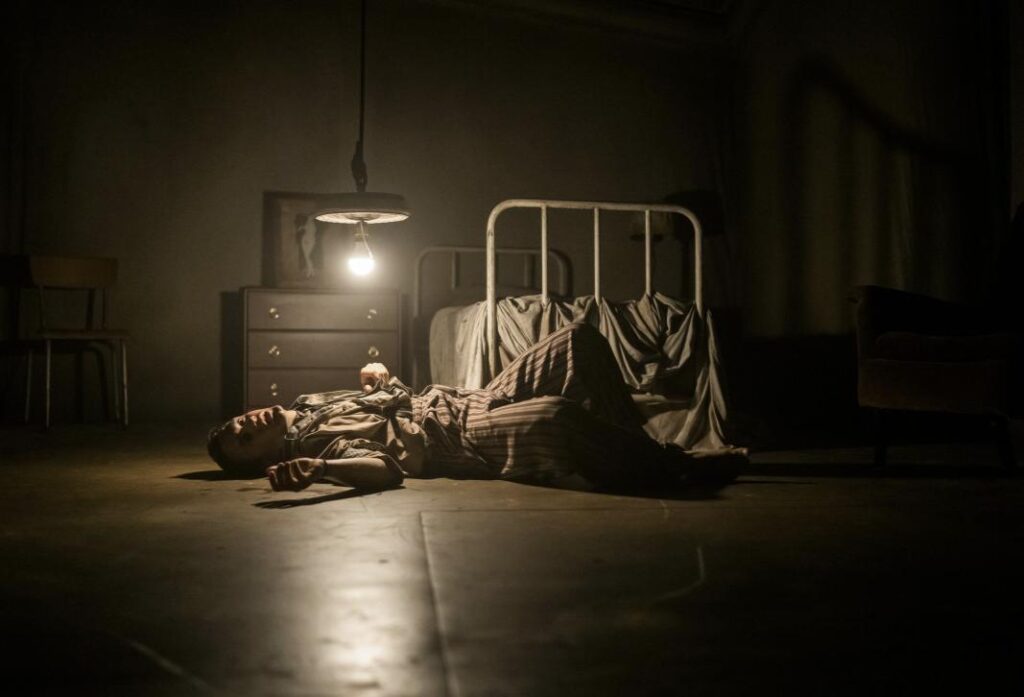
Although The Metamorphosis is best known as a literary work, its strange and visually compelling premise has inspired numerous adaptations for theatre, film and other artistic forms.
Among them is the 2012 British film Metamorphosis, directed by Chris Swanton, which adapted Kafka’s novella for the screen. Its cast included Robert Pugh, Maureen Lipman and Laura Rees, with Tim Pigott-Smith contributing narration to a later edition. Wikipedia
Stage productions have also explored the physical and psychological possibilities of Gregor’s transformation, often using movement, lighting and elaborate theatrical design to represent his altered existence.
Yet adapting Kafka presents a particular challenge.
The novella’s power lies partly in what remains unexplained.
Its ambiguity invites readers to construct their own understanding of Gregor’s body, suffering and identity.
A visual adaptation must make choices that Kafka deliberately avoided.
And perhaps that is why the written version remains so compelling.
Sometimes the most frightening image is the one a writer refuses to show.
Why Everyone Should Read The Metamorphosis at Least Once
Unlike many literary classics, The Metamorphosis does not demand weeks of reading.
Depending on the translation and edition, the novella can often be completed in a few hours.
Yet its ideas can occupy the reader’s thoughts for considerably longer.
It is particularly worthwhile for anyone interested in psychology, philosophy, social criticism or the complexities of family relationships.
The story encourages readers to examine the expectations they place upon themselves and others.
It asks whether professional success has become inseparable from personal identity.
It questions whether families always provide unconditional love.
And it explores the devastating emotional consequences of being treated as a burden.
However, readers should not expect a comforting narrative.
Kafka’s prose is deliberately unsettling, and the novella offers little emotional reassurance.
Some may find the symbolism frustratingly ambiguous. Others may consider the characters exaggerated or the narrative emotionally distant.
But that discomfort is part of its artistic design.
The Metamorphosis does not exist to make readers comfortable.
It exists to make them think.
Final Verdict: Is Kafka’s The Metamorphosis Worth the Hype?
4.5/5
The Metamorphosis is a remarkable achievement in psychological and philosophical storytelling.
Its premise is absurd, its atmosphere oppressive and its conclusion profoundly unsettling.
Yet beneath its surreal surface lies an extraordinarily perceptive examination of human relationships.
Kafka transforms a simple domestic setting into a disturbing portrait of economic dependence, familial obligation and social alienation.
The novella is not without limitations. Its characters can feel deliberately one-dimensional, and readers seeking conventional narrative explanations may find its ambiguity unsatisfying.
Nevertheless, its brevity, originality and interpretive depth make it one of the most rewarding works of modern literature.
A story written more than a century ago should not feel quite this relevant.
But it does.
Perhaps because the world has changed considerably since Gregor Samsa first awakened in his bedroom.
And perhaps because the way society measures human worth has not changed nearly enough.
Book Quote
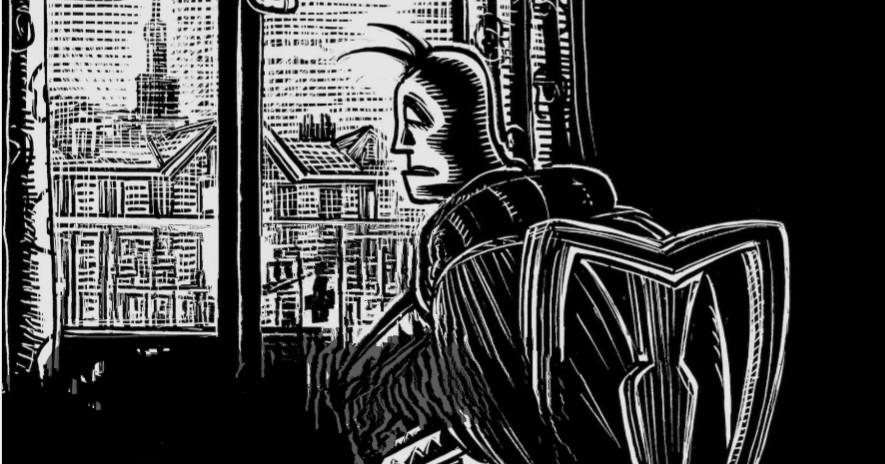
“Was he an animal, that music could move him so?”
— Franz Kafka, The Metamorphosis (wording varies by translation)
It is one of the novella’s most haunting questions.
Gregor has lost his human appearance, his ability to communicate and his place within his family.
Yet he remains capable of experiencing beauty.
He can still be moved by music.
He can still feel affection.
He can still recognise something meaningful in the world.
And in that moment, Kafka reveals the story’s deepest tragedy.
Gregor did not lose his humanity when he became a creature. The people around him gradually lost sight of it.