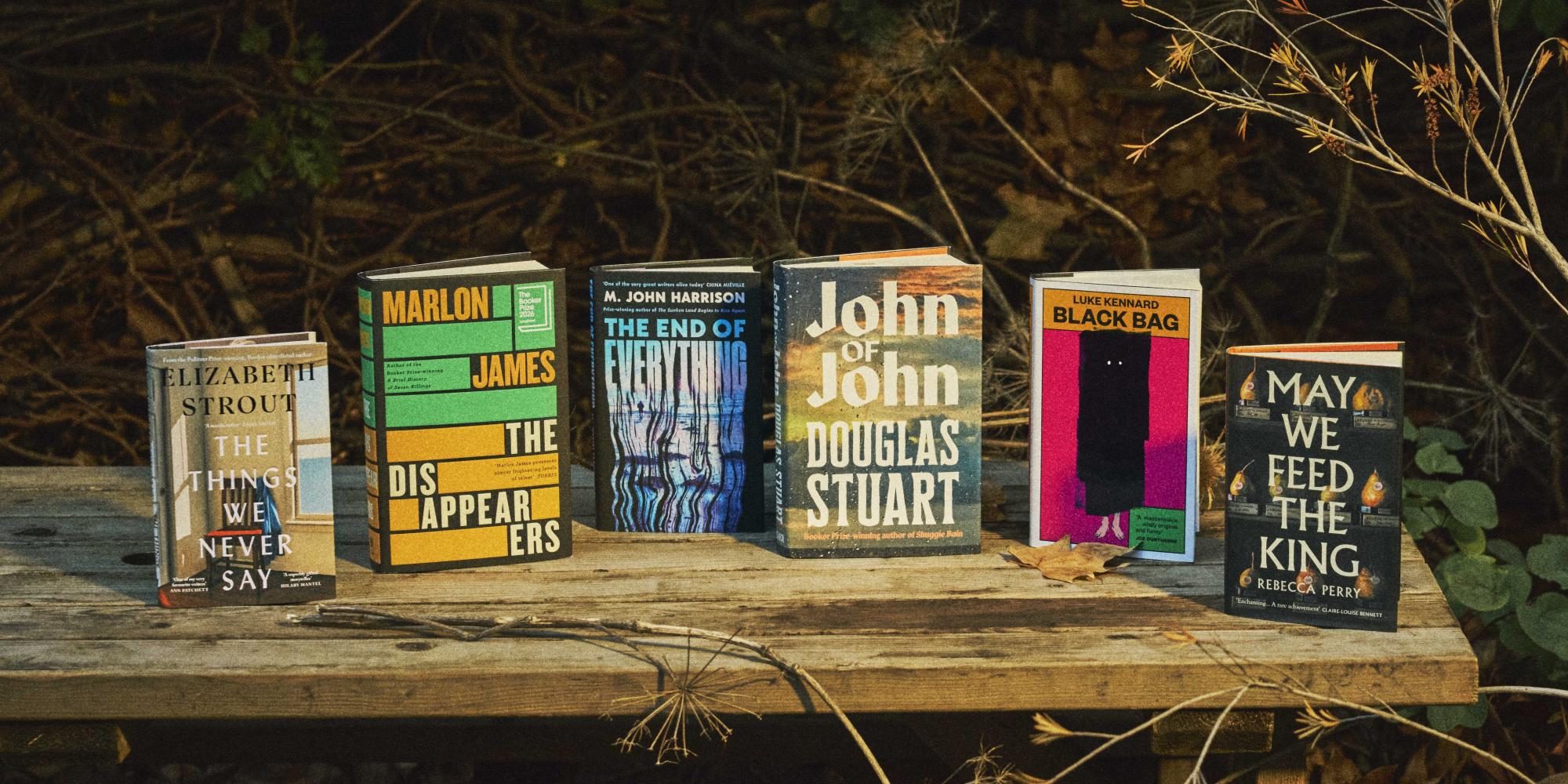
The literary world is counting down to one of its most anticipated announcements of the year. With six remarkable novels shortlisted for the 2026 Booker Prize, readers and literary enthusiasts are waiting to discover which author will take home one of the most prestigious awards in English-language literature.
From dystopian fiction and historical storytelling to campus satire and deeply personal family narratives, this year’s shortlist brings together an intriguing collection of voices and perspectives. It includes celebrated previous winners, an internationally recognised novelist and writers making their first appearances on the Booker shortlist.
The winner will be announced on 9 November 2026 at a ceremony in London. Until then, the question remains: who will take home the Booker Prize 2026?
What Is the Booker Prize and Why Does It Matter?
Established in 1969 in the United Kingdom, the Booker Prize is one of the most respected literary awards in the world. It recognises an outstanding work of long-form fiction written in English and published in the United Kingdom or Ireland during the eligible period.
One of the most distinctive features of the award is that authors of any nationality are eligible, provided their work meets the publication and language requirements. This allows the prize to recognise literary voices from different countries and cultural backgrounds.
The Booker Prize is judged by an independent panel of literary experts, writers, critics and other figures from the creative world. Each year, the judges select a longlist before narrowing it down to a shortlist of six books and eventually choosing one winner.
Beyond the recognition itself, winning the Booker Prize can have a significant impact on an author’s career. The winning writer receives £50,000, while each of the other five shortlisted authors receives £2,500. The award also brings international attention, increased readership and greater opportunities for the selected books to reach audiences around the world.
Over the decades, the prize has recognised influential literary works and helped introduce readers to authors whose writing continues to shape contemporary fiction.
Booker Prize 2026: Meet the Six Shortlisted Books
This year’s shortlist was selected from 163 submissions, initially narrowed down to 13 titles on the longlist. The final six novels represent a range of literary styles, themes and storytelling approaches.
Here is a closer look at the books competing for the 2026 award.
1. The End of Everything by M. John Harrison

Published by Serpent’s Tail, The End of Everything takes readers into a post-apocalyptic world where survival and uncertainty shape everyday life.
The novel follows Phillip Tennant, who struggles to make a living with his aunt along the coast of Kent in a society experiencing collapse. Against this unsettling background, the story explores human understanding, survival and the mysterious events surrounding an alien invasion.
Known for his contributions to science fiction, M. John Harrison brings a distinctive approach to speculative storytelling. His shortlisted novel has been described as a satirical and unsettling exploration of the limits of human understanding.
2. The Disappearers by Marlon James
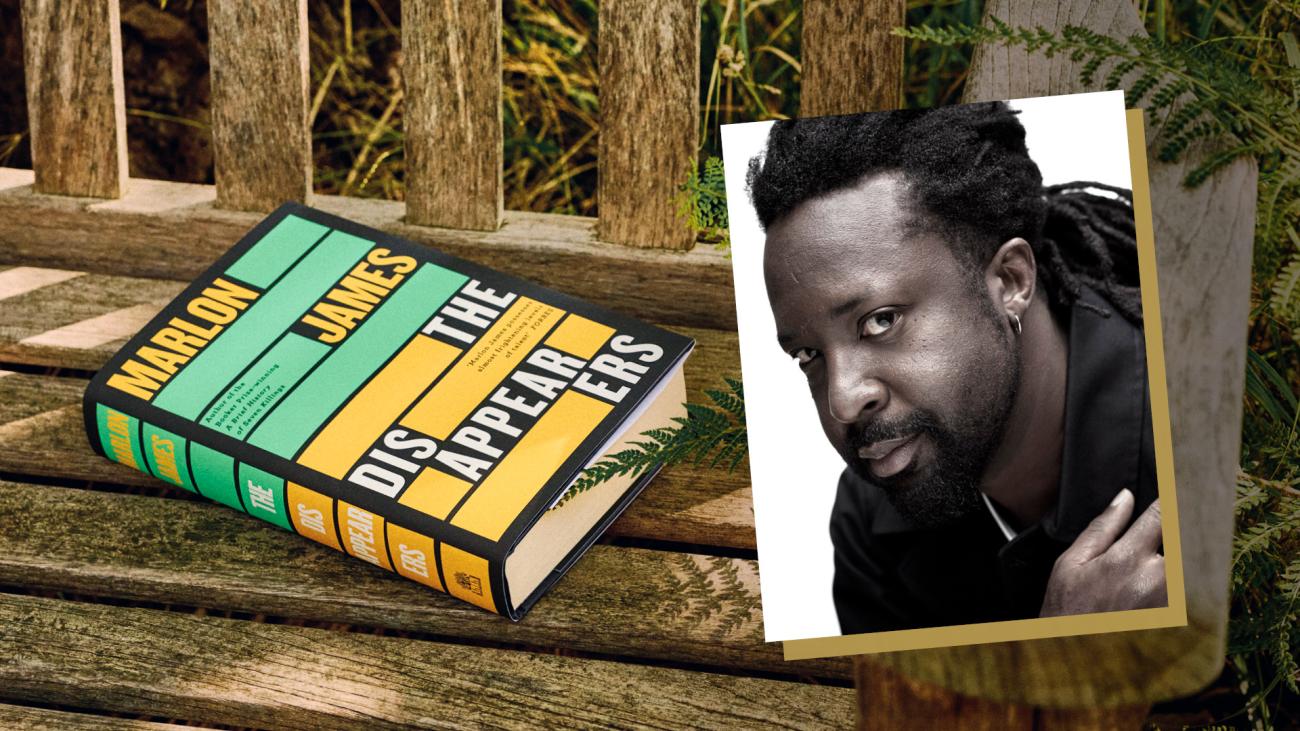
Jamaican author Marlon James returns to the Booker shortlist with The Disappearers, published by Hamish Hamilton.
Set in Kingston, Jamaica, during the late 1980s, the novel explores the lives of men navigating a society shaped by difficult choices and the struggle to survive. Its narrative also follows a survivor of a murderous homophobic attack who is determined to seek retribution.
James is already familiar with the award. He won the Booker Prize in 2015 for A Brief History of Seven Killings, making his return to the shortlist one of the notable highlights of this year’s selection.
His latest work continues his engagement with complex human experiences, social realities and the consequences of violence.
3. Black Bag by Luke Kennard

Published by John Murray, Black Bag introduces readers to an unusual university setting through a story that combines satire, psychological exploration and an unconventional love story.
The novel centres on an out-of-work actor who is paid to attend university lectures while zipped inside a black leather bag as part of a psychology experiment.
Through this unusual premise, Luke Kennard explores the crisis of masculinity, human relationships and the strange dynamics of academic life.
Described as a warped campus novel that is both funny and deeply humane, Black Bag marks Kennard’s first appearance on the Booker Prize shortlist.
4. May We Feed the King by Rebecca Perry
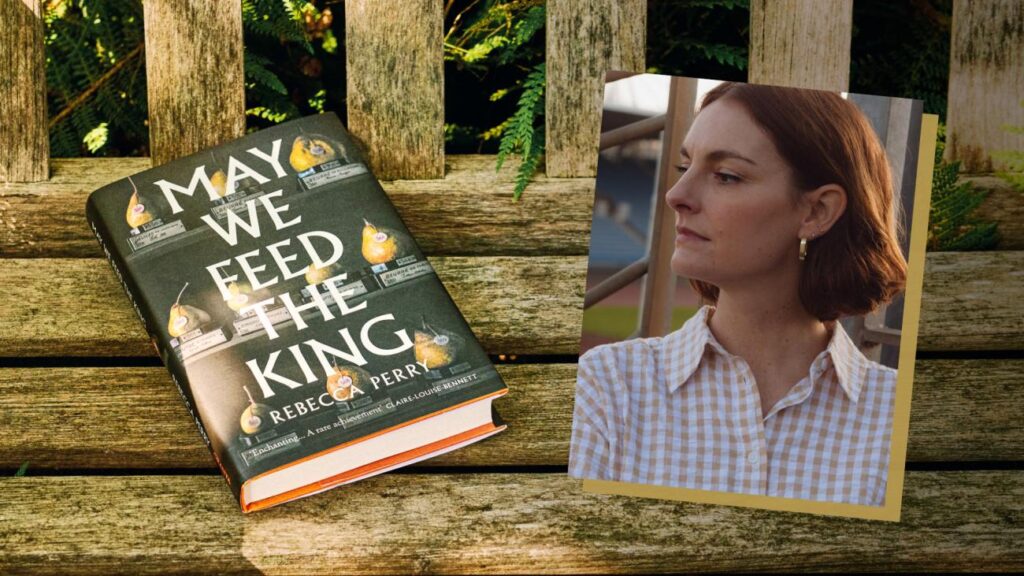
Rebecca Perry’s May We Feed the King, published by Granta, brings historical fiction and imaginative storytelling together.
Set within an unnamed medieval court, the novel follows a reluctant monarch surrounded by scheming courtiers and political uncertainty. Through its exploration of power, desire and historical storytelling, the book raises questions about what makes a ruler great and what gives an individual’s life meaning.
The novel is particularly notable because it represents Perry’s debut appearance on the Booker shortlist. Its imaginative setting and exploration of history offer a different perspective within this year’s selection.
5. The Things We Never Say by Elizabeth Strout
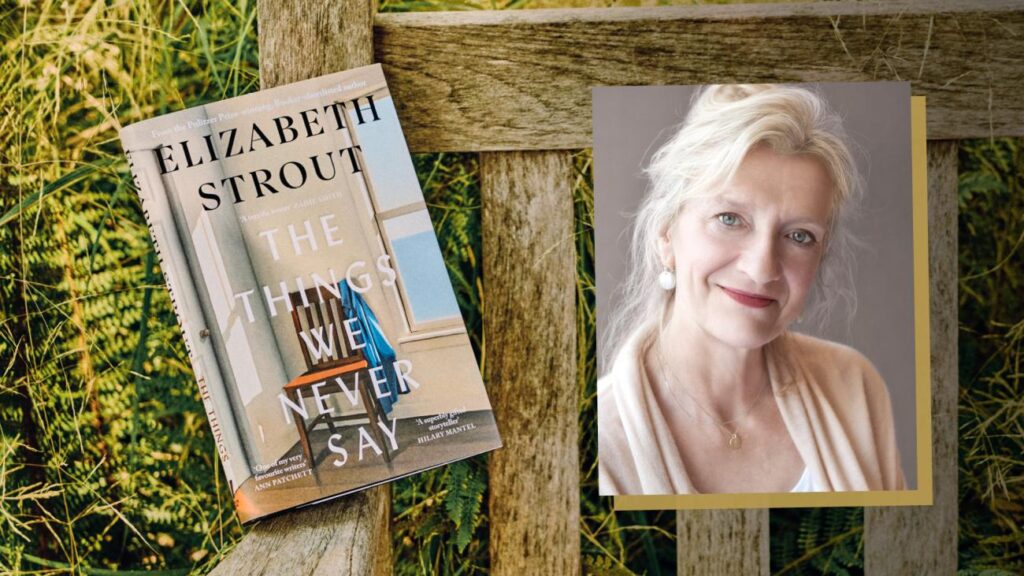
Elizabeth Strout returns to the Booker shortlist with The Things We Never Say, published by Viking Fiction.
Set in coastal Massachusetts in the period leading up to the 2024 United States presidential election, the novel explores grief, friendship, personal secrets and the emotional experiences that shape people’s lives.
Strout is widely recognised for her ability to portray ordinary lives with emotional depth and remarkable attention to human relationships. Her latest shortlisted work continues that approach, examining how hidden truths can influence individuals and the people around them.
She was previously shortlisted for the Booker Prize in 2022 for Oh William!, making this her second appearance among the final six.
6. John of John by Douglas Stuart

Douglas Stuart completes the shortlist with John of John, published by Picador.
Set in the Outer Hebrides of Scotland, the novel follows a young man returning to his family home and confronting the expectations and pressures that come with family relationships.
Against the backdrop of a traditional island community, the story explores identity, belonging and the complicated bonds between parents and children.
Stuart is another previous Booker Prize winner featured in this year’s shortlist. He received the award in 2020 for his debut novel Shuggie Bain, which received widespread literary recognition.
His return with John of John adds another deeply personal family narrative to the 2026 selection.
Who Are the Booker Prize 2026 Judges?
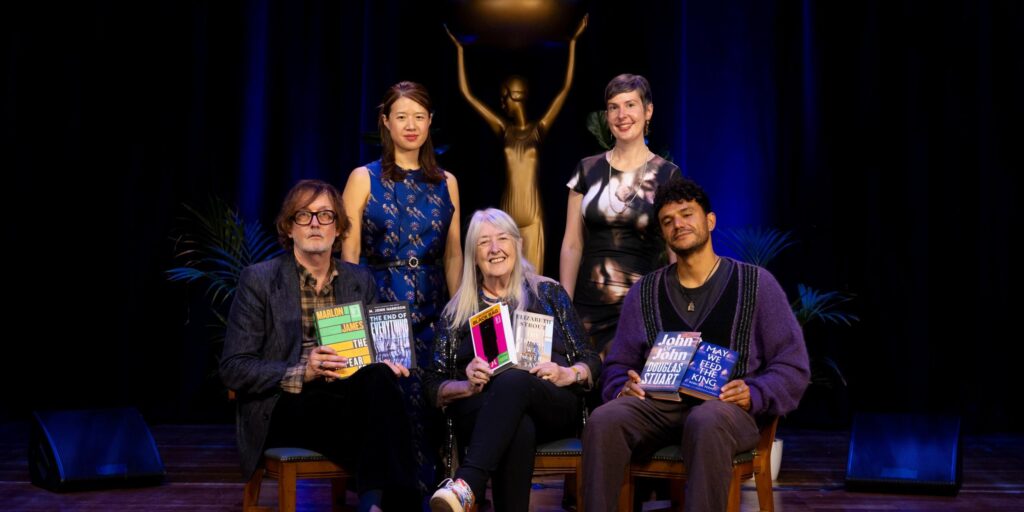
The final selection was made by a five-member judging panel chaired by British classicist, writer and broadcaster Mary Beard.
The panel also includes:
- Mary Beard: Celebrated classicist, author and broadcaster, serving as chair of the judging panel.
- Raymond Antrobus: Award-winning poet, writer and educator.
- Jarvis Cocker: Musician, writer and broadcaster.
- Rebecca Liu: Journalist, editor and literary critic.
- Patricia Lockwood: Booker-shortlisted novelist, poet and essayist.
The judges selected the six novels from the original 13-book longlist, which itself was chosen from 163 eligible submissions.
A Shortlist of Established Names and New Literary Voices
One of the interesting aspects of the 2026 Booker Prize shortlist is the combination of familiar literary names and authors receiving their first recognition at this stage of the competition.
Marlon James and Douglas Stuart have already won the award, while Elizabeth Strout returns after her previous shortlist appearance. Meanwhile, M. John Harrison, Luke Kennard and Rebecca Perry are making their first appearances on the Booker shortlist.
The six novels also represent four countries: England, Scotland, Jamaica and the United States.
Their stories explore very different subjects, from the aftermath of social collapse and historical power struggles to personal identity, family expectations and the complexities of human relationships. Together, they reflect the range of contemporary fiction being recognised by the prize.
When Will the Booker Prize 2026 Winner Be Announced?
The winner of the 2026 Booker Prize will be announced on Monday, 9 November 2026, at a ceremony taking place at Old Billingsgate in London.
The announcement is scheduled to be livestreamed through the Booker Prizes’ official YouTube channel, Instagram and TikTok accounts from 9.45 PM GMT.
The winning author will receive £50,000 and the prestigious Booker Prize trophy, while the other five shortlisted authors will each receive £2,500.
So, Who Will Take Home the Booker Prize 2026?
With six distinctive novels competing for the same honour, the 2026 Booker Prize promises an exciting conclusion to another year of literary recognition.
Will a previous winner add another Booker Prize to their career, or will one of the first-time shortlisted authors take home the trophy? Will readers see a dystopian story, a historical novel, a campus satire or an intimate exploration of family life receive literature’s biggest spotlight?
The final decision rests with the judges, and until the announcement, the outcome remains unknown.
One thing is certain: regardless of which novel wins, this year’s shortlist offers readers six very different reasons to discover contemporary fiction.
Image Disclaimer: Pictures used belong to their respective rightful owners.