The Regional Development Bank (RDB) has introduced a nationwide entrepreneurship development initiative aimed at strengthening Sri Lanka’s rural economy by encouraging the establishment of new businesses and supporting the expansion of existing small and medium-sized enterprises (SMEs).
Officially launched on October 13, 2026, the programme, known as Entrepreneurs 14014 Operation, seeks to develop at least one entrepreneur within each targeted rural service area, creating greater opportunities for self-employment, business development and economic participation across the country.
The initiative adopts an approach that extends beyond conventional banking services by combining financial assistance with entrepreneurial guidance, business development support and opportunities to establish stronger market connections.
Through this model, RDB intends to help individuals transform business ideas into commercially sustainable enterprises while providing existing entrepreneurs with resources to expand their operations.
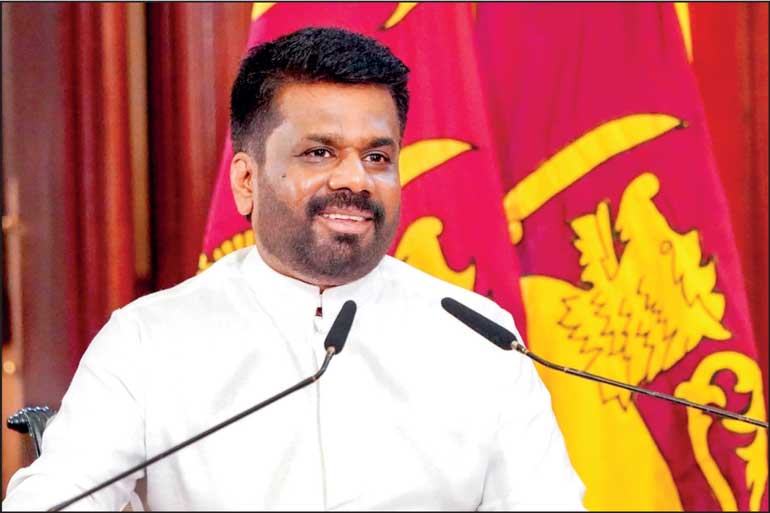
The programme was inaugurated under the patronage of Labour Minister and Deputy Minister of Finance and Planning Dr. Anil Jayantha, who highlighted the importance of directing financial resources towards productive sectors capable of supporting Sri Lanka’s economic recovery and future growth.
Speaking at the launch, the Minister emphasised that developing entrepreneurship across rural communities represents an important step towards creating a more inclusive and sustainable national economy.
He explained that financial institutions have a responsibility to support the long-term development of enterprises rather than limiting their contribution to the provision of credit facilities.
Under the new initiative, RDB will seek to strengthen entrepreneurial capabilities by helping business owners access relevant knowledge, develop practical business skills and identify opportunities to market their products and services.
The programme has been structured around six initiatives targeting sectors and population groups considered important to rural economic development.
These include fisheries, agriculture, livestock production, women’s entrepreneurship, youth-led businesses and enterprise development in the Northern Province.
The fisheries component, introduced under the name Dheewara Diriya, focuses on supporting entrepreneurs engaged in fishing and related economic activities.
Sri Lanka’s fisheries industry provides livelihoods to numerous coastal communities and contributes to domestic food production and commercial activity.
Improved access to finance and business development assistance could help entrepreneurs in this sector invest in equipment, strengthen operational capabilities and explore opportunities to improve the commercial value of their products.
The initiative could also provide support for smaller operators seeking to expand their businesses or introduce new services associated with the fisheries industry.
Agricultural entrepreneurship will receive attention through Krushi Navodaya, a programme designed to encourage enterprise development within the country’s farming sector.
Agriculture remains an important source of employment and household income in many rural communities.
However, farmers and agricultural entrepreneurs frequently encounter challenges involving access to capital, production expenses, market connectivity and the resources required for business expansion.
By combining financial support with entrepreneurial development, the initiative aims to create opportunities for individuals involved in agricultural production and related businesses.
Such support could encourage greater commercial participation in agriculture while helping rural enterprises improve their capacity to respond to changing market requirements.
The livestock sector will be supported through Kshira Viplavaya, which focuses on promoting entrepreneurship associated with animal husbandry and livestock-related production.
Livestock businesses can provide income opportunities for rural households while contributing to the country’s agricultural and food production activities.
Access to suitable financing and business guidance may help entrepreneurs improve facilities, develop production capabilities and strengthen the management of their operations.
The initiative is intended to encourage greater participation in livestock-related economic activities and support the development of commercially viable enterprises within the sector.
Another important component of the programme is Liyasaviya, which is dedicated to strengthening women’s entrepreneurship.
Women operating small businesses often contribute significantly to household incomes and local economic activity, particularly in rural communities.
Nevertheless, access to financial services, business networks and market opportunities can influence their ability to establish and expand enterprises.
Through this initiative, RDB seeks to encourage more women to participate in entrepreneurial activities and develop businesses capable of generating sustainable income.
Providing financial assistance alongside practical business guidance could support women seeking to formalise existing activities, introduce new products or expand their customer base.
Youth entrepreneurship will be encouraged through Heta Unikupa, which aims to create opportunities for young individuals interested in establishing their own businesses.
The initiative recognises entrepreneurship as a potential pathway for young people seeking employment, financial independence and opportunities to apply their skills commercially.
Young entrepreneurs may possess innovative business ideas but lack the capital, experience or professional networks required to develop those ideas into successful enterprises.
Access to appropriate financing and entrepreneurship-related guidance could help reduce some of these barriers.
The programme is therefore intended to support young people in pursuing business opportunities while contributing to economic activity within their communities.
Particular attention will also be directed towards the Northern Province through Prabathaya, an initiative focused on expanding entrepreneurship and business development opportunities in the region.
The programme aims to encourage economic participation by supporting individuals interested in establishing enterprises and strengthening existing business activities.
Improved access to financial resources and commercial opportunities could help rural entrepreneurs develop their operations and participate more actively in local and regional markets.
The inclusion of a dedicated programme for the Northern Province reflects an emphasis on extending entrepreneurship development initiatives across different geographical areas of the country.
Together, the six components provide a framework for supporting a diverse range of businesses while addressing the distinct requirements of different sectors and communities.
A central feature of the Entrepreneurs 14014 Operation is its emphasis on combining access to finance with practical assistance.
Although loans can provide the capital required to establish or expand a business, financial support alone may not be sufficient to ensure long-term commercial success.
Entrepreneurs must also understand business planning, financial management, production costs, customer expectations and market conditions.
Recognising these requirements, RDB intends to help entrepreneurs develop the knowledge and capabilities necessary to manage their businesses more effectively.
Support in identifying commercial opportunities and connecting with suitable markets could also contribute to improving the sustainability of rural enterprises.
For smaller businesses, limited market access can restrict growth even when products or services demonstrate commercial potential.
Establishing stronger connections between entrepreneurs and potential customers, distributors or business partners may therefore help create opportunities for expansion.
The programme’s broader approach reflects the importance of developing a supportive entrepreneurial environment rather than relying exclusively on credit-based assistance.
During the inauguration, Dr. Anil Jayantha also addressed the Government’s position on transparency and accountability in the distribution of financial resources and business-related facilities.
He stated that bribery and political interference should no longer influence access to government-supported business opportunities or banking assistance.
The Minister presented this position as part of the Government’s commitment to improving institutional practices and ensuring that entrepreneurs can access support through more transparent processes.
He also emphasised the importance of maintaining financial discipline as Sri Lanka continues its economic recovery.
According to the Minister, international financial institutions have acknowledged the progress achieved in restoring economic stability following the country’s severe financial difficulties.
He noted that maintaining this progress remains an important government responsibility while encouraging productive investment and business development.
The launch event also included the symbolic distribution of loan cheques to selected small and medium-scale entrepreneurs.
The presentation marked the beginning of the initiative’s financing activities and highlighted the programme’s intention to support businesses through practical financial assistance.
For Sri Lanka, strengthening small and medium-sized enterprises remains closely connected to broader economic development objectives.
SMEs contribute to employment, domestic production, service delivery and commercial activity across different regions.
In rural communities, small enterprises can provide opportunities for individuals who may have limited access to conventional employment in larger commercial centres.
Entrepreneurship can also encourage the development of locally available resources, specialised skills and new products suited to changing consumer requirements.
However, sustainable business growth requires access to appropriate financing, reliable market information and the capabilities necessary to manage commercial risks.
Initiatives that combine these elements may help entrepreneurs strengthen their operations and improve their prospects for long-term development.
The Regional Development Bank’s involvement is particularly relevant given its established focus on financial inclusion and rural economic development.
As a fully State-owned financial institution, RDB was established to improve access to financial services and support economic opportunities among rural communities.
The bank’s activities include serving micro, small and medium-sized enterprises, women entrepreneurs and businesses operating in agriculture, fisheries and livestock-related sectors.
The Entrepreneurs 14014 Operation builds on this development-oriented role by introducing a coordinated programme covering several areas of economic activity.
Its success will depend on how effectively financial assistance is combined with business guidance, appropriate credit management and opportunities for entrepreneurs to reach customers.
Ensuring that beneficiaries receive relevant support throughout different stages of business development could also be important in encouraging sustainable outcomes.
For first-time entrepreneurs, guidance on planning and financial management may be particularly valuable.
Existing business owners, meanwhile, may benefit from support in identifying investment opportunities, improving operational efficiency and accessing additional markets.
The programme’s focus on women and young people could also encourage wider participation in business ownership and help diversify economic opportunities within rural communities.
At the same time, its sector-specific initiatives recognise the importance of industries that support livelihoods and commercial activity outside Sri Lanka’s main urban centres.
By directing resources towards fisheries, agriculture, livestock and regional entrepreneurship, RDB aims to strengthen economic participation across multiple sectors.
The launch reflects a wider emphasis on supporting productive enterprise as Sri Lanka seeks to move from economic stabilisation towards sustained growth.
Encouraging the development of successful rural businesses could contribute to employment generation, local investment and stronger household incomes.
The approach may also help communities develop greater economic resilience by creating opportunities for income generation through a range of commercial activities.
Nevertheless, achieving these objectives will require consistent implementation, effective beneficiary selection and continued engagement with entrepreneurs after financial assistance has been provided.
Monitoring business outcomes and identifying challenges faced by participating enterprises could help determine the programme’s effectiveness over time.
The establishment of at least one entrepreneur in each targeted rural service area represents the immediate ambition of the Entrepreneurs 14014 Operation.
Beyond that initial objective, the longer-term value of the initiative will depend on whether participating individuals can establish businesses that remain financially viable, create employment and contribute to their local economies.
Through its combination of financial services, entrepreneurial guidance and market-oriented support, the Regional Development Bank is seeking to provide a more comprehensive pathway for rural enterprise development.
The initiative represents an effort to extend economic opportunities beyond established commercial centres and encourage individuals across Sri Lanka to participate more actively in business development.
As implementation progresses, Entrepreneurs 14014 Operation could become an important platform for connecting rural entrepreneurship with the country’s wider economic recovery and long-term development ambitions.
Image Disclaimer: All photographs and images featured in this article are the property of their respective copyright owners. They are included solely for illustrative and informational purposes. We do not claim ownership of any third-party photographs, images or visual materials.