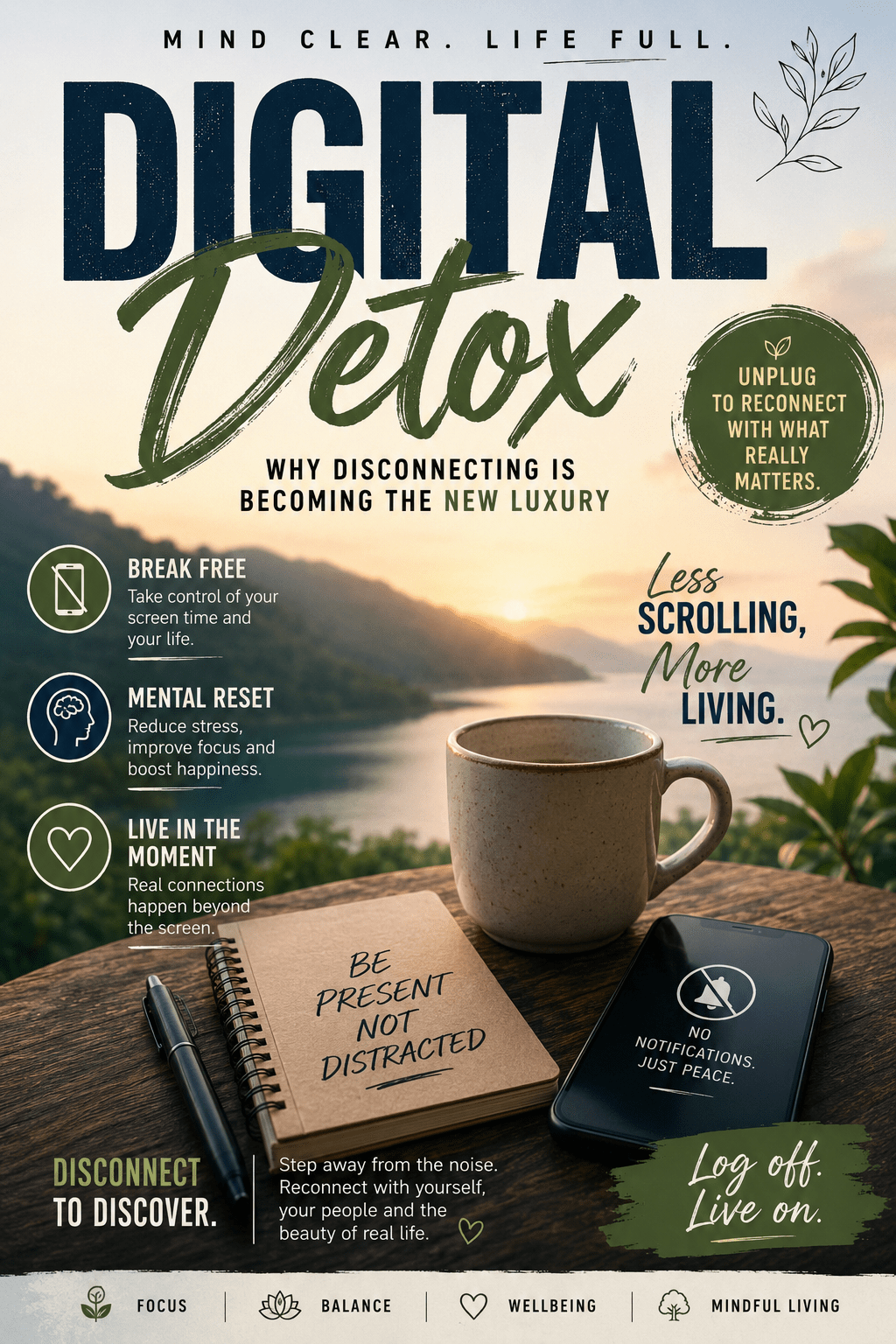
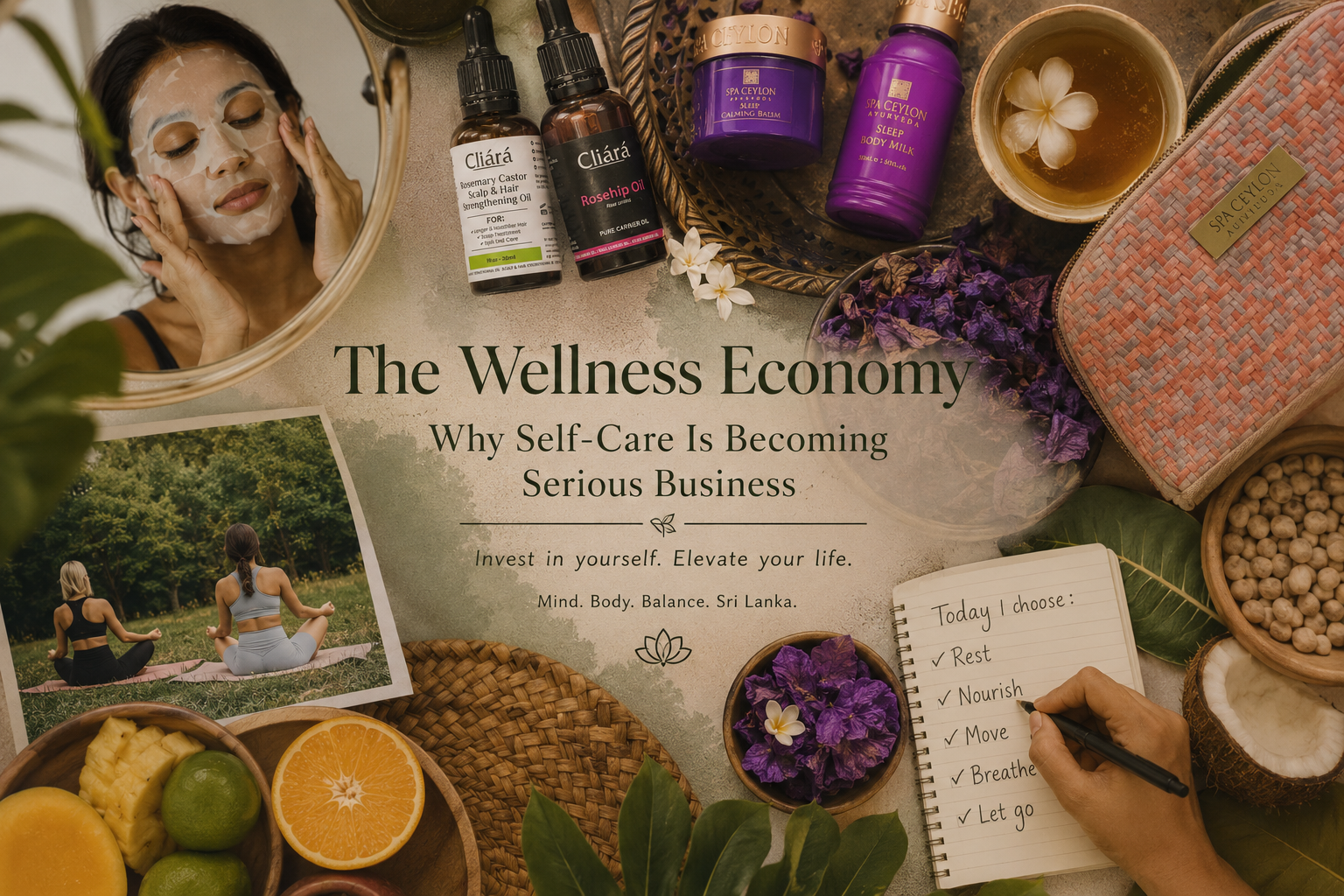
Self-care used to feel like a luxury.
Today?
It’s becoming an industry worth billions.
From skincare and supplements to fitness memberships, wellness cafés, mental health apps, healthier food choices, and sleep products — consumers are investing more in feeling good than ever before.
And businesses are paying attention.
The biggest shift in 2026 isn’t just that people care about wellness.
It’s that wellness is quietly reshaping how consumers spend, work, and live.
For businesses in Sri Lanka and beyond, understanding this shift may unlock entirely new opportunities.
Here’s why the wellness economy is becoming one of the biggest lifestyle-business trends of 2026.
1. Wellness Is No Longer Just About Fitness
When people hear “wellness,” they often think about gyms.
But today, wellness means much more.
Consumers increasingly care about:
- Mental health
- Better sleep
- Healthy eating
- Stress management
- Skincare
- Work-life balance
- Digital detoxing
- Preventive health
People aren’t only asking:
“How do I look?”
They’re increasingly asking:
“How do I feel?”
That mindset shift is changing industries.
2. Self-Care Spending Is Growing Fast
Consumers are becoming more willing to spend money on things that improve well-being.
People are investing in:
- Gym memberships
- Pilates and yoga classes
- Organic skincare
- Healthy food products
- Wellness retreats
- Therapy and coaching
- Vitamins and supplements
Sri Lankan Shift
Sri Lanka is also seeing growth in:
- Boutique fitness studios
- Healthy cafés
- Wellness-focused beauty brands
- Natural skincare businesses
- Holistic healing experiences
Consumers increasingly value businesses that support healthier lifestyles.
Business Reality
Wellness is no longer niche.
It’s becoming mainstream.
3. Mental Wellness Is Becoming a Major Market
Burnout is becoming a real concern.
Busy schedules, digital overload, and workplace pressure are making people more conscious about mental well-being.
This has created growing demand for:
- Mindfulness apps
- Stress management programs
- Therapy services
- Wellness content
- Mental health communities
Why Businesses Should Pay Attention
Customers increasingly prefer brands that promote balance, empathy, and healthy living.
Even workplaces are investing more in employee wellness.
Because healthier employees often mean:
- Better productivity
- Lower burnout
- Stronger workplace morale
4. Healthy Eating Is Becoming a Lifestyle Choice
Consumers are becoming more aware of what they eat.
More people are paying attention to:
- Clean ingredients
- Fresh foods
- Lower sugar products
- Organic choices
- Health-conscious dining
Sri Lankan Example
The rise of smoothie bars, healthy cafés, salad-focused menus, and wellness-inspired restaurants shows how consumer preferences are changing.
People increasingly want food that feels good — not just tastes good.
Business Opportunity
Food brands that balance convenience, affordability, and health may see stronger demand.
5. Wellness Branding Is Becoming a Marketing Strategy
Have you noticed how many brands suddenly feel softer, calmer, and more comforting?
That’s intentional.
Modern consumers are drawn to brands that feel:
- Peaceful
- Trustworthy
- Minimal
- Comforting
- Authentic
Think About It
Many successful brands now sell a feeling — not just a product.
Skincare brands sell confidence.
Cafés sell comfort.
Fitness brands sell motivation.
Businesses increasingly market lifestyles, not products.
6. The Workplace Wellness Shift Is Real
Employees are redefining what they expect from work.
People increasingly value:
- Flexible working
- Mental health support
- Better work-life balance
- Health-focused benefits
The Business Reality
Companies ignoring employee wellness may struggle with burnout and retention.
The strongest workplaces in 2026 are recognising something important:
Happy employees often build stronger businesses.
7. Wellness Is Becoming a Competitive Advantage
Consumers increasingly choose brands aligned with healthier living.
Businesses that embrace:
- Sustainability
- Health-conscious products
- Better customer experiences
- Mindful branding
may build deeper customer loyalty.
Why?
Because people increasingly support brands that make life feel better.
The Bottom Line
The wellness economy is no longer just a trend.
It’s becoming a lifestyle movement.
Consumers are spending more intentionally, prioritising health, balance, and emotional well-being in ways that are reshaping industries.
For businesses, this shift creates a powerful opportunity.
Because in 2026, success may not only come from selling products.
It may come from helping people feel better.