Sri Lanka has connected its first grid-scale standalone battery energy storage system (BESS) to the national grid, marking a significant step towards storing surplus solar power and reducing reliance on costly fossil fuel-based electricity generation during peak demand periods.
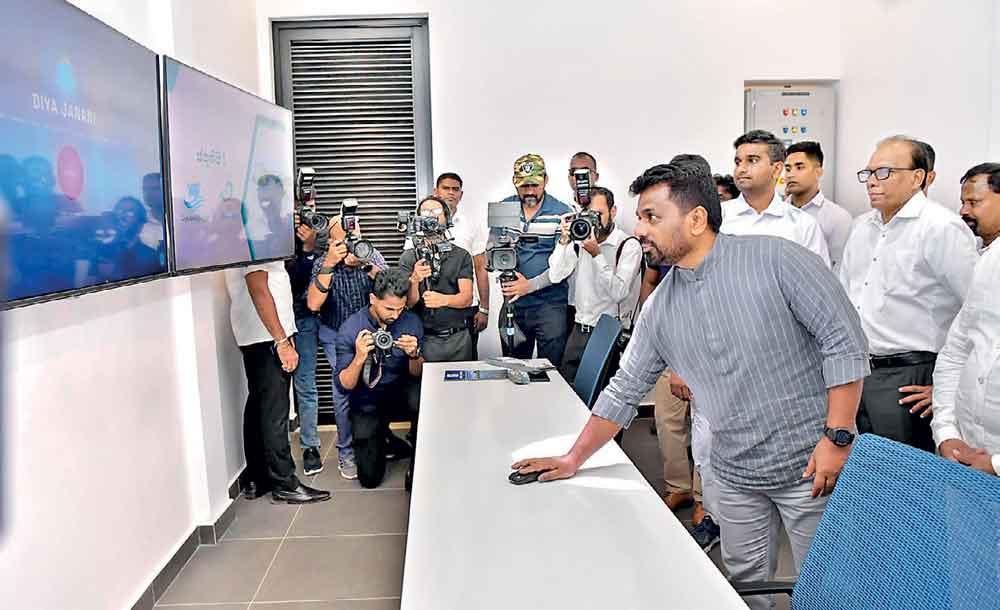
The 10 MW/40 MWh battery storage facility in Anuradhapura was commissioned under the patronage of President Anura Kumara Dissanayake. The project was developed by Vidullanka PLC and WindForce PLC through their project company, StoreX Ltd.
The Anuradhapura facility is the first of 13 planned BESS projects to be developed across Sri Lanka, with the projects collectively expected to provide a total capacity of 130 MW/520 MWh. Of these, 12 facilities are being developed under StoreX, while the partners are developing the 13th project in Vavunathivu through Solar Universe Ltd.
The remaining facilities are expected to be connected to the national grid within the next two to three months, further expanding the country’s ability to store and dispatch renewable electricity according to demand.
Battery energy storage systems are designed to capture excess electricity generated by solar power facilities during daylight hours and release the stored energy to the grid when demand rises, particularly during the evening and night. This can help balance electricity supply and demand, improve grid stability and reduce the need for fossil fuel-based generation.
Energy Minister Anura Karunathilake said Sri Lanka currently generates close to 3,000 MW of solar power during the daytime, while average daytime electricity demand stands at around 2,800 MW. However, electricity demand increases to approximately 3,100 MW at night and could rise further by February due to forecast El Niño conditions.
“Our challenge has been that, until now, we have not had the capacity to store the excess solar power generated during the daytime,” Karunathilake said.
The Government is currently implementing battery storage projects with a combined capacity of 160 MW, including the 130 MW being developed by WindForce and its partners. According to the Minister, the full 160 MW is expected to be connected to the national grid before the end of the year.
Authorities have also begun procurement for additional battery storage projects, including facilities with capacities of 400 MW, 250 MW and 150 MW. Some of these projects are currently under evaluation and are expected to be integrated into the electricity system during the first half of 2027.
Karunathilake said expanding battery storage capacity would enable Sri Lanka to absorb a greater share of renewable energy while reducing the high cost associated with fossil fuel-based electricity generation during nighttime peak demand.
The commissioning of the Anuradhapura facility also marks Vidullanka’s entry into grid-scale energy storage, expanding the company’s activities beyond electricity generation.
Vidullanka is also preparing to commission its eighth ground-mounted solar power facility in Hambantota. Once commissioned, the project is expected to increase the company’s total installed capacity to 96 MW across 27 projects.
Image Disclaimer: Images used in this article are the property of their respective copyright holders and rightful owners. No ownership is claimed over the images.