Sri Lanka is using only around half of the European Union (EU) trade concessions available under GSP+, even as its return to upper-middle-income status begins a potential countdown towards losing the eligibility for the scheme, the local apparel industry warned.
The Joint Apparel Association Forum (JAAF) said Sri Lanka’s GSP+ utilisation rate has remained between 49 percent and 59 percent in recent years, leaving a substantial share of the tariff advantage unclaimed as the country prepares to apply under tougher EU rules.
The weakness stems largely from the EU’s rules of origin, which require the qualifying garments to undergo production from the yarn stage. The Sri Lankan manufacturers remain heavily dependent on the imported fabric that does not qualify under the scheme, limiting their ability to claim the duty-free access even when the finished garments are produced locally.
The JAAF said addressing the deficiency would require greater investment in domestic fabric manufacturing, regional cumulation arrangements and negotiations with the EU for more flexible rules of origin.
The underutilisation problem is gaining urgency, following Sri Lanka’s reclassification as an upper-middle-income economy by the World Bank this month.
The country recorded a gross national income per capita of US $ 4,670, narrowly clearing the US $ 4,636 threshold for the category. While the reclassification signals a recovery from the 2022 economic crisis, it also carries implications for GSP+, which is intended for vulnerable low and lower-middle-income economies.
The countries classified by the World Bank as the upper-middle-income economies for three consecutive years cease to qualify as the beneficiaries of the EU’s Generalised Scheme of Preferences.
Sri Lanka’s reclassification therefore does not result in the immediate loss of GSP+. However, remaining in the category over the coming years would narrow the period during which the exporters could continue receiving the tariff concession.
The JAAF said the timing of Sri Lanka’s application would be critical, arguing that an early application, under the revised framework, could help preserve access and provide greater certainty to the exporters during the transition.
Sri Lanka, along with the other existing GSP+ beneficiaries, must reapply under the EU’s revised regulation, which takes effect from January 1, 2027. The current beneficiaries have been granted a two-year transitional period until end-2028.
The applicants will also be required to submit an action plan, detailing how they intend to implement their commitments. The new framework strengthens monitoring and expands the international conventions linked to the concession, while introducing a faster process for suspending the preferences in cases of serious violations.
The additional obligations cover areas including human rights, labour standards, environmental protection, climate commitments and governance. The new regulation also places greater emphasis on evidence of implementation rather than formal commitments alone.
For Sri Lanka, the application will bring renewed scrutiny of issues including the Prevention of Terrorism Act, labour protections, illegal fishing, illicit drugs, governance and compliance with the international human rights standards.
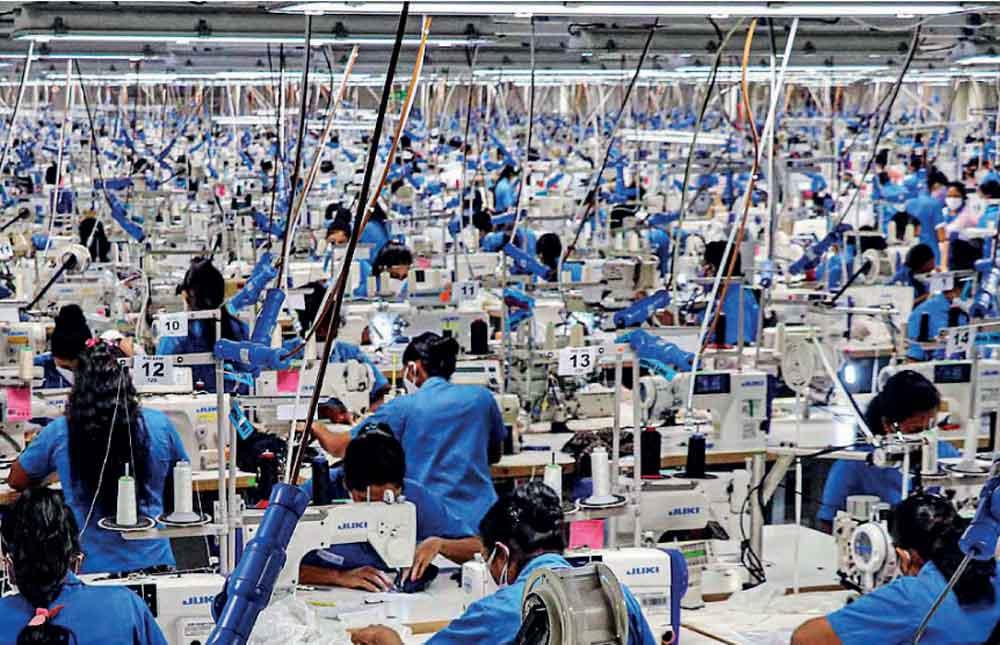
The stakes are particularly high for apparel, the country’s largest merchandise export industry. The sector employs more than 350,000 people and accounts for about 40-45 percent of Sri Lanka’s exports, according to the JAAF.
The industry crossed the US $ 5 billion export mark for the first time in 2018, around 18 months after the EU restored Sri Lanka’s GSP+ concessions, following a six-year suspension.
However, the JAAF cautioned that securing another term under GSP+ would address only part of the challenge. Unless Sri Lanka improves its ability to meet the rules-of-origin requirements, the country could continue leaving a large portion of the concession unused before eventually graduating from the scheme.
GSP+ clock starts ticking as Sri Lanka underuses EU trade concessions