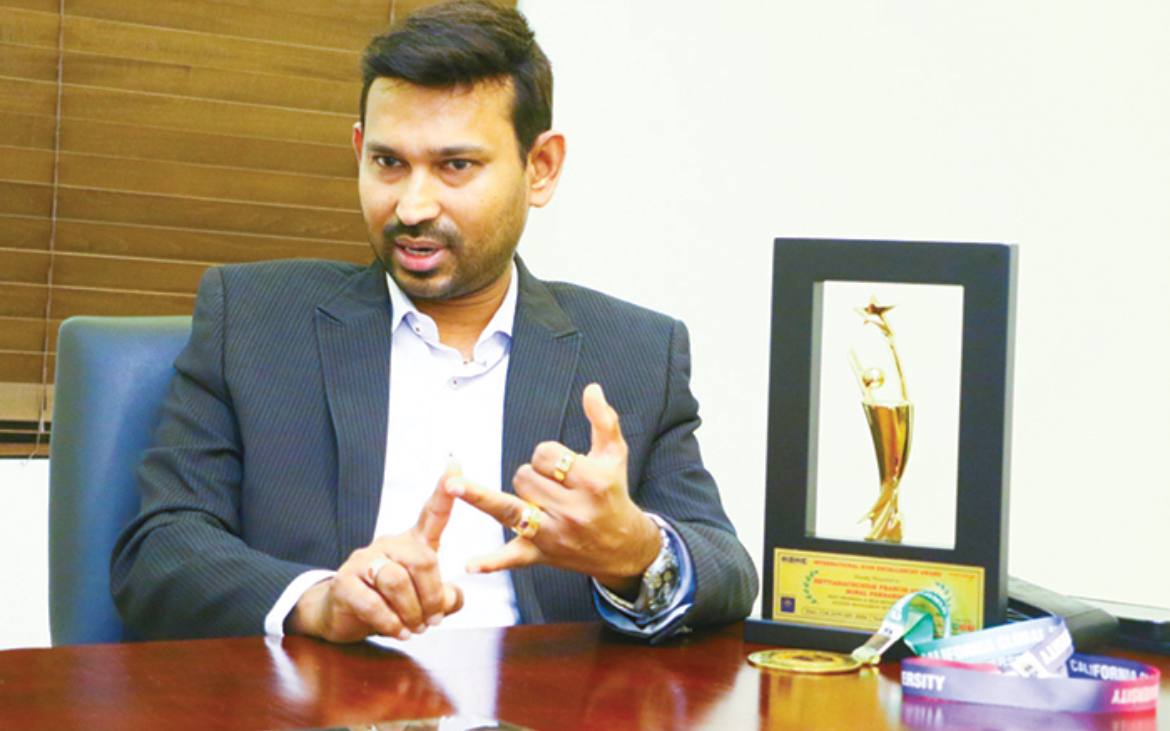
Sri Lanka should shift its focus from expensive airport expansion projects towards aviation technology, airline development and tourism if it wants to strengthen its position as a regional aviation hub, according to aviation expert Prof. Hettiarachchige Francis Adhista Sonal Fernando.
Prof. Fernando, who recently received an Honorary Professorship in Aviation Management from the University of California, Berkeley (Global), becoming the first Asian and reportedly one of only five recipients worldwide, believes the country’s existing airport infrastructure is capable of supporting future growth for decades. Instead, he argues that investments should be channelled into modern aviation technology, national airline development and high-value tourism.
Recognition for a Distinguished Aviation Career
The honorary professorship recognises Prof. Fernando’s extensive contributions to the aviation industry and his leadership during his tenure as Director of Airport and Aviation Services (Sri Lanka).
With more than two decades of experience, his career has covered virtually every aspect of aviation, including passenger services, cargo operations, flight operations, pilot training, airline management, airport administration and executive leadership.
This broad industry experience, he says, has provided valuable insight into the strategic priorities required to transform Sri Lanka’s aviation sector.
Maximising Existing Airport Infrastructure
According to Prof. Fernando, Sri Lanka already possesses sufficient airport capacity to meet projected demand over the next 20 to 25 years.
Rather than investing billions in constructing additional terminals or expanding airports, he believes policymakers should focus on extracting greater value from existing infrastructure.
He points to Mattala International Airport as an example, highlighting proposals developed during his tenure to establish the facility as a regional air cargo hub. Such a project, he says, could position Sri Lanka as a key logistics centre in South Asia while generating new revenue streams beyond passenger traffic.
Developing Sri Lanka as an Aviation Training Hub
Another initiative championed by Prof. Fernando was the proposal to establish an international aviation training centre at Palaly Airport in Jaffna.
Discussions were previously held with the Royal Jordanian Air Academy, one of the world’s recognised aviation training institutions, regarding plans to establish training operations in Sri Lanka through a significant foreign investment.
The project aimed to attract aviation students from South India, Singapore and other regional markets, creating employment opportunities while increasing foreign exchange earnings and strengthening Sri Lanka’s aviation education sector.
Strengthening Airlines Before Expanding Airports
Prof. Fernando believes Sri Lanka should adopt a strategy similar to successful aviation nations by strengthening its airline industry before undertaking major airport construction projects.
He cited Qatar as an example, noting that its aviation success was driven by developing a globally competitive national carrier before investing heavily in airport infrastructure.
Instead of prioritising new buildings, he recommends directing resources towards:
- Strengthening SriLankan Airlines
- Investing in aviation technology
- Enhancing tourism infrastructure
- Improving national security and public discipline
- Expanding specialised aviation services
According to Prof. Fernando, these measures would generate stronger long-term economic returns than large-scale infrastructure projects alone.
Creating a More Passenger-Friendly Aviation Experience
Prof. Fernando also emphasised the importance of maintaining a welcoming environment within Sri Lanka’s airports.
He expressed concern over what he described as the increasing militarisation of civil aviation administration, arguing that airports should provide passengers with an efficient, accessible and stress-free experience.
As the first point of contact for international visitors, airports play a critical role in shaping perceptions of Sri Lanka as a travel destination.
He further raised concerns regarding the treatment of some outbound travellers, stating that passengers with valid passports, visas and airline tickets should not face unnecessary restrictions based on assumptions about their travel intentions or personal background.
Tourism Should Reflect Sri Lanka’s Unique Identity
When discussing tourism, Prof. Fernando stressed that Sri Lanka should avoid attempting to replicate destinations such as Dubai.
Instead, he believes the country should build its global tourism brand around its own natural advantages, cultural heritage and premium travel experiences.
He pointed to the Maldives as an example of how discipline, security and visitor experience can contribute significantly to tourism success.
Rather than focusing solely on visitor numbers, Sri Lanka should target high-value travellers by promoting:
- Luxury hospitality
- Premium tourism experiences
- Business-class travel
- The country’s renowned gem industry
- Exclusive cultural and leisure offerings
Such an approach, he says, would increase tourism revenue while enhancing the country’s international brand.
Technology Should Drive the Future of Aviation
Looking ahead, Prof. Fernando believes aviation technology will be the key driver of future competitiveness.
He highlighted CAT III-C landing systems, advanced technology capable of enabling aircraft to land safely in extremely poor visibility conditions, as an example of investments that could significantly improve airport efficiency and operational reliability.
Modern aviation technologies, he argues, offer far greater long-term value than constructing additional terminals without corresponding demand.
Leadership Will Determine Sri Lanka’s Aviation Future
Prof. Fernando concluded that the future success of Sri Lanka’s aviation sector depends on informed leadership, strategic planning and industry expertise.
Rather than viewing aviation primarily through construction projects, he believes policymakers should focus on innovation, airline development, technology adoption and tourism growth to unlock the industry’s full economic potential.
With the right long-term strategy, Sri Lanka has the opportunity to strengthen its position as a competitive regional aviation and tourism destination while maximising the value of its existing infrastructure.