
Tea exporters have urged the government to back a targeted investment programme for smallholder farmers, arguing that a relatively modest intervention could unlock decades of higher export earnings and help reverse a prolonged decline in the country’s tea output.
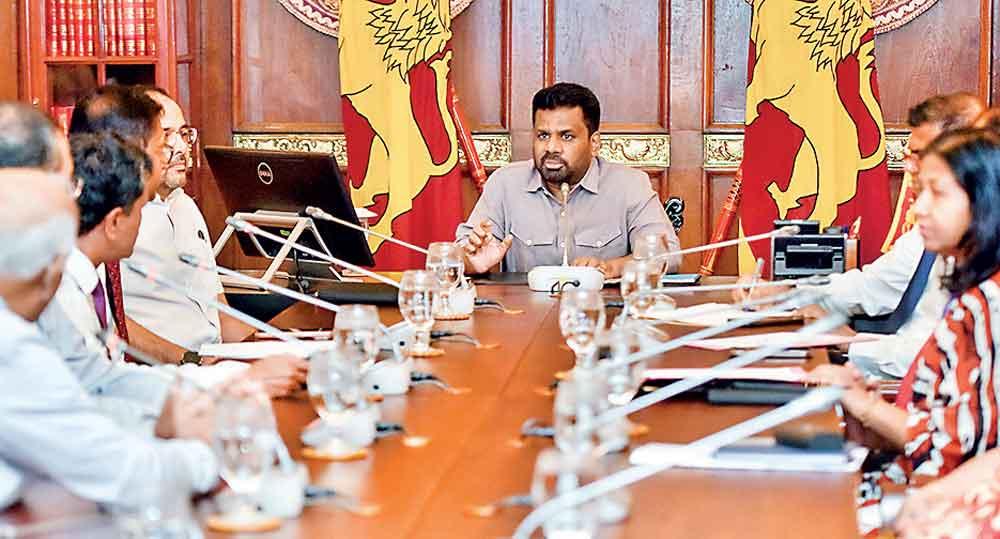
At a meeting with President Anura Kumara Dissanayake last week, the Tea Exporters Association (TEA) proposed a financing mechanism to help tea smallholders increase planting density through an “infilling” programme, describing it as one of the quickest ways to boost national tea production and farmer incomes.
Sri Lanka’s tea industry has been dealing with a sharp fall in production over the past decade. According to the association, annual tea output has declined to 261 million kilogrammes in 2025 from 340 million kilogrammes in 2013, limiting export volumes despite demand from overseas markets. Export revenue has remained largely stagnant at around US$ 1.5 billion a year as a result.
TEA Chairman Huzefa Akbarally told the President that exporters currently have the capacity to handle up to 400 million kilogrammes of tea annually, but are constrained by insufficient production.
The association identified smallholders as the key to any meaningful recovery in the sector. More than 480,000 smallholder farmers account for around 75 percent of Sri Lanka’s tea crop, making them the backbone of national tea production.
According to TEA, productivity among smallholders remains well below potential following the disruption caused by successive policy decisions, including the glyphosate ban and subsequent agrochemical restrictions. Average green leaf yields have fallen to around 150 kilogrammes per acre per month compared with a potential yield of about 600 kilogrammes, leaving many farmers with monthly earnings of only about Rs.23,000.
The association said most smallholder plots currently contain fewer than 3,000 tea bushes per acre despite having the capacity to accommodate about 5,000 plants. It proposed a financing programme supported by the government, banks and international development institutions to fund the planting of additional bushes.
TEA estimates the one-time cost of planting an additional bush at around Rs. 200. However, after the initial two-year maturation period, each plant could generate more than Rs. 450 annually for the farmer and over Rs.850 annually in foreign exchange earnings for the country over the next three decades at current market prices.
The industry argues that such returns make tea one of the highest-yielding agricultural investments available to policymakers seeking to strengthen export earnings and rural incomes simultaneously.
President Dissanayake expressed support for the initiative during the discussions, highlighting the need to increase export revenue from tea and other agricultural sectors as part of the country’s economic recovery efforts. The association said the government had indicated its willingness to provide assistance required to enhance tea production and export income.
The meeting was also attended by Treasury Secretary Dr. Harshana Suriyapperuma, Export Development Board Chairman Mangala Wijesinghe and other officials.