
Global discussions on artificial intelligence (AI) governance accelerated this week as governments and international organizations introduced new initiatives aimed at shaping the future of responsible AI development.
Just days after the United Nations’ first Global Dialogue on AI Governance in Geneva, representatives from 29 countries signed the founding agreement for the World AI Cooperation Organization (WAICO) in Shanghai. The agreement coincided with the World Artificial Intelligence Conference (WAIC), where policymakers, researchers and technology leaders unveiled several international governance initiatives designed to strengthen AI collaboration.
Global AI Governance Moves Beyond Principles
For years, AI governance has focused on broad principles such as fairness, transparency, accountability and human oversight. Experts now believe the next phase requires practical tools that governments and businesses can implement consistently.
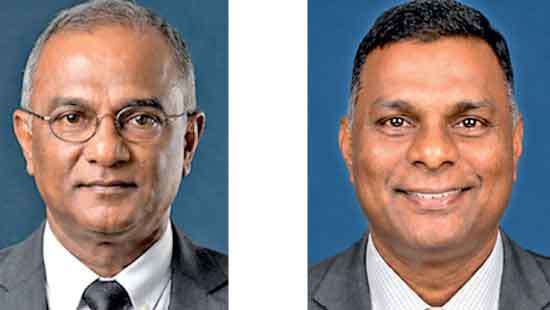
Speaking during WAIC, John Higgins, Chair of the International AI Governance Association, noted that while many countries now agree on the core principles of AI governance, the challenge lies in transforming those ideas into measurable standards, certifications and compliance frameworks.
Instead of relying solely on policy statements, regulators are increasingly seeking practical mechanisms including:
- AI certification systems
- Content labeling standards
- Industry-specific safety testing
- Environmental sustainability guidelines
These tools are expected to improve trust, accountability and international cooperation in AI development.
China’s AI Governance Framework
China has spent several years developing one of the world’s most comprehensive domestic AI regulatory systems. Its experience is now being examined as a potential reference point for other countries seeking to build their own governance frameworks.
AI Certification Standards
One of the major developments highlighted during WAIC was the adoption of internationally recognized AI management standards.
Huawei recently obtained ISO/IEC 42001 certification, the first international standard specifically designed for AI management systems. The certification establishes requirements for governing AI throughout its entire lifecycle, helping organizations manage risks while maintaining responsible development practices.
Industry representatives emphasized the importance of globally recognized standards that allow companies to develop AI products under consistent regulatory expectations.
Mandatory AI Content Labeling
China has also introduced regulations requiring AI-generated content—including text, images, audio and video—to include both visible labels and embedded metadata.
These measures are intended to help platforms identify synthetic content even after it has been copied, edited or shared across different services, strengthening transparency and reducing misinformation risks.
Sector-Specific AI Testing
In industries such as automotive manufacturing, AI governance extends beyond software development.
Experts explained that intelligent vehicles now undergo continuous compliance monitoring through factory testing, software updates and maintenance records. These audit trails help establish accountability throughout the vehicle’s operational lifecycle while supporting safety investigations when incidents occur.
Sustainable AI Development
Another growing priority is reducing AI’s environmental impact.
Discussions at WAIC highlighted the concept of Sustainable AI, encouraging organizations to:
- Use renewable energy for AI computing
- Reduce water consumption in data centers
- Improve recycling of AI hardware
- Manage technology throughout its lifecycle
These initiatives reflect increasing recognition that AI governance must also address environmental sustainability.
International Cooperation and Knowledge Sharing
Experts identified two primary ways China’s governance experience could influence international AI policy.
The first is policy diffusion, where governments study China’s regulatory framework and selectively adapt policies that suit their own legal and technological environments.
The second involves multilateral collaboration, where countries jointly develop governance frameworks for challenges that cannot be addressed by any single nation.
Rather than adopting one universal model, experts expect countries to combine global best practices with their own national priorities.
Support for Developing Countries
Developing nations often face challenges such as limited digital infrastructure, regulatory expertise and AI talent.
To address these gaps, China announced several international cooperation initiatives during WAIC, including:
- 5,000 AI training opportunities for developing countries over the next five years.
- New international AI cooperation centers with organizations including ASEAN, the African Union, the Arab League, BRICS, the Shanghai Cooperation Organization (SCO) and CELAC.
- Deployment of China’s AI-powered meteorological early-warning system, Mazu, in 30 countries.
These initiatives aim to expand AI capabilities while encouraging knowledge exchange between developed and emerging economies.
Global South Seen as a Key AI Contributor
International organizations also emphasized that developing countries are not only beneficiaries of AI governance but also valuable contributors.
According to Jason Slater, Chief AI, Digital and Innovation Officer at the United Nations Industrial Development Organization (UNIDO), many countries in the Global South possess significant untapped talent, diverse datasets and real-world challenges that can help shape practical AI solutions and governance models.
Their participation, he noted, will be essential in ensuring AI governance reflects global needs rather than those of only a few advanced economies.
Challenges Remain
Despite recent progress, experts acknowledge that global AI governance still faces several obstacles.
Key challenges include:
- Mutual recognition of AI certifications across countries.
- Cross-platform compatibility for AI-generated content labeling.
- International acceptance of AI testing and compliance standards.
- Greater coordination among governments and regulatory bodies.
The UN’s Governing AI for Humanity report also identifies ongoing gaps in representation, coordination and implementation, highlighting the need for broader international cooperation.
Looking Ahead
China’s expanding role in AI governance is drawing increasing international attention as countries work to establish practical frameworks for responsible AI development.
While no single governance model is expected to become a global standard, China’s regulatory experience, combined with growing international partnerships, may help accelerate the development of interoperable AI policies, technical standards and capacity-building initiatives worldwide.
As AI adoption continues to grow, collaboration between governments, industry and international organizations will play a critical role in building governance systems that are secure, transparent and adaptable to future technological advances.