
Some brands are instantly recognisable.
Not because of a logo.
Not because of a catchy slogan.
But because of something far more powerful:
How they make people feel.
In a world overflowing with advertisements, endless scrolling, and countless choices, consumers are becoming increasingly selective about who earns their attention — and more importantly, their trust.
This is where branding quietly becomes one of the most valuable assets a business can possess.
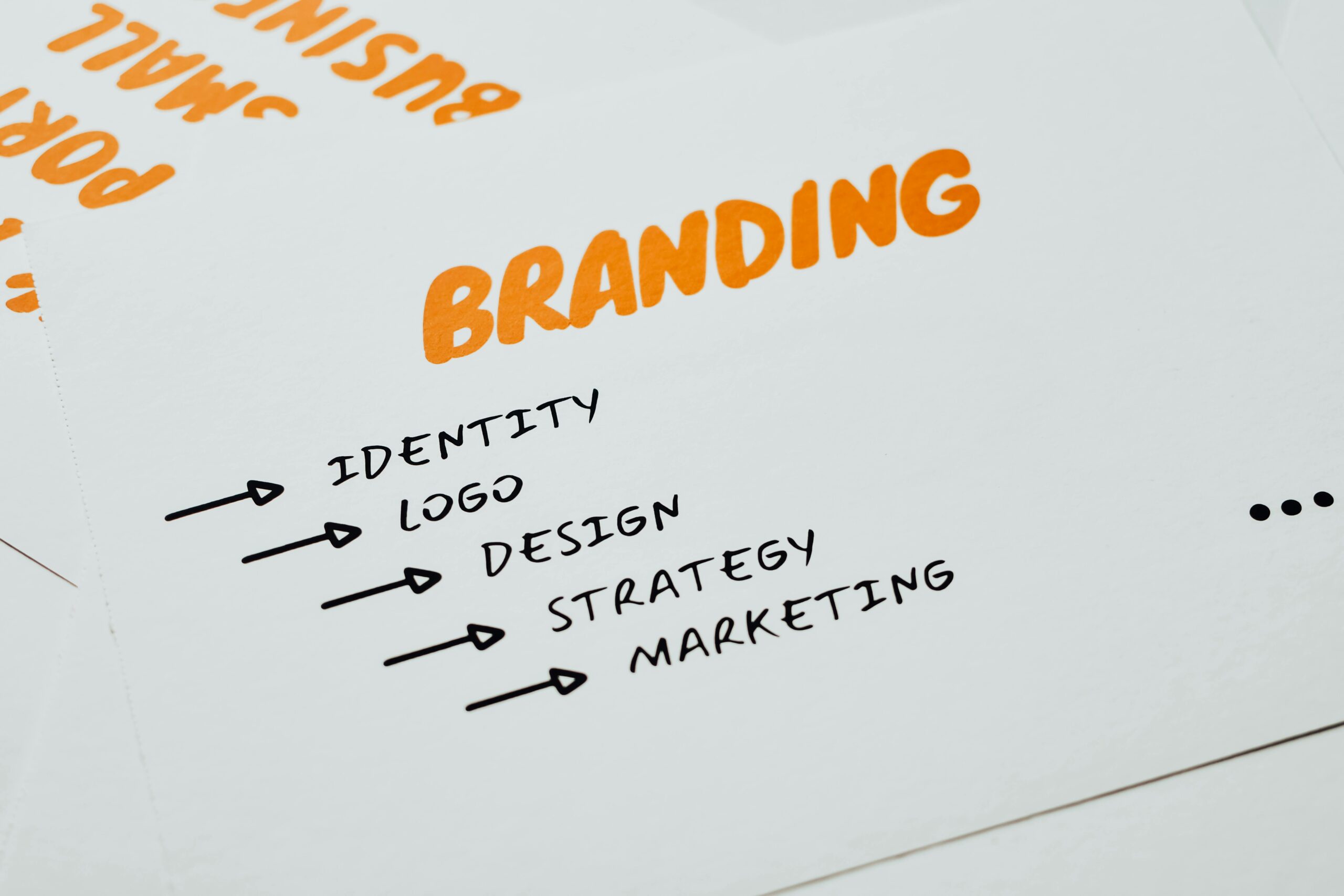
Because branding, contrary to popular belief, is no longer simply about colour palettes, polished packaging, or aesthetically pleasing social media feeds.
It is about perception.
Identity.
Emotion.
And the story people associate with your business long after they have forgotten what you sold.
In 2026, strong branding is no longer optional.
It is business strategy.
1. Branding Is No Longer Just a Logo
A common misconception still lingers:
That branding begins and ends with visuals.
In reality, branding is the feeling your business leaves behind.
It is the reason customers choose one café over another, return to a favourite skincare brand, or willingly pay more for a familiar name.
Your brand is shaped by:
- Customer experience
- Tone of voice
- Reputation
- Service quality
- Visual identity
- Values and personality
Think About It
Two businesses may sell the exact same product.
Yet one feels memorable.
The other?
Forgettable.
That difference is often branding.
Sri Lankan Perspective
Across Sri Lanka, many local businesses — particularly cafés, beauty brands, fashion boutiques, and hospitality ventures — are increasingly investing in stronger identities rather than simply selling products.
Consumers remember experiences.
Not just purchases.
2. Trust Is Becoming the New Currency
In crowded markets, trust has become priceless.
Customers increasingly gravitate towards brands that feel:
- Reliable
- Transparent
- Consistent
- Human
- Authentic
People want reassurance.
They want to know:
Can I trust this business?
Will this experience meet expectations?
Business Reality
Strong branding builds confidence before a customer even makes a purchase.
Weak branding creates hesitation.
And hesitation often costs sales.
Why Consistency Matters
A brand that feels polished one day and confusing the next quickly loses credibility.
Consistency — across messaging, visuals, service, and customer experience — quietly builds trust over time.
3. Customers Are Buying Stories, Not Just Products
Modern consumers increasingly connect with meaning.
They are drawn toward businesses with stories.
Stories create emotional connection.
Perhaps it is:
- A founder’s journey
- A local business story
- Ethical craftsmanship
- Community values
- Cultural identity
Sri Lankan Example
Many homegrown brands have built loyal audiences simply by sharing authentic stories behind their businesses — from handmade craftsmanship to family-run enterprises.
People often support businesses they emotionally connect with.
The Business Lesson
Facts inform.
Stories stay remembered.
4. Personal Branding Is Quietly Becoming Business Power
Increasingly, people are buying into people, not only companies.
Founders, CEOs, creators, and entrepreneurs are becoming visible voices behind brands.
Why?
Because people trust faces more than faceless corporations.
Consumers increasingly engage with:
- Founder insights
- Behind-the-scenes moments
- Honest experiences
- Personal perspectives
Think About It
Would you feel more connected to a business that feels distant —
Or one where the founder openly shares their journey?
Exactly.
Human connection matters.
5. Aesthetic Branding Is Influencing Consumer Decisions
Like it or not, appearances matter.
Customers increasingly gravitate toward brands that feel visually intentional.
This does not mean expensive branding.
It means thoughtful branding.
From packaging to Instagram presence, businesses are increasingly creating experiences that feel:
- Elegant
- Memorable
- Cohesive
- Trustworthy
The Rise of “Experience Branding”
People now photograph cafés.
Share packaging online.
Recommend aesthetically pleasing brands.
In many ways, branding has become part of the customer experience itself.
6. Brand Values Are Becoming More Important
Consumers increasingly support brands that align with their beliefs.
People pay attention to:
- Sustainability efforts
- Ethical sourcing
- Inclusivity
- Transparency
- Social responsibility
Businesses do not need to be perfect.
But customers increasingly appreciate brands with purpose.
The Shift
People no longer ask only:
“What are you selling?”
They increasingly ask:
“What do you stand for?”
7. Memorable Brands Create Emotional Loyalty
The strongest brands rarely compete on price alone.
Instead, they create emotional attachment.
Customers return because a brand feels:
- Familiar
- Comfortable
- Aspirational
- Reliable
This is why some brands become habits.
And others become forgotten.
Business Question
If your logo disappeared tomorrow —
Would people still recognise your brand?
If the answer is yes, your branding is working.
The Bottom Line
In 2026, branding is no longer decoration.
It is differentiation.
In increasingly crowded industries, businesses are no longer simply competing on products or prices.
They are competing for trust, attention, and emotional connection.
Because ultimately, people may forget advertisements.
They may even forget products.
But they rarely forget how a brand made them feel.