
A new assessment by the Global Alliance for Incinerator Alternatives Asia Pacific (GAIA AP) has raised concerns over the Asian Development Bank’s (ADB) financing of waste incineration projects across Asia, identifying more than US$ 15.3 billion in financing associated with projects classified by the environmental group as questionable climate and circular economy solutions.
According to GAIA AP’s Citizens’ Atlas on False Climate and Circularity Solutions, 41 of the 49 ADB-supported projects flagged between 2015 and 2025 involved waste incineration. This represents approximately 84% of the projects identified in the assessment.
The findings were presented during a symbolic retirement event organised by the NGO Forum on ADB and civil society organisations in Quezon City, Philippines, ahead of the bank’s 60th Annual Meeting scheduled for 2027 in Nagoya, Japan.
The event also introduced a campaign titled “ADB at 60: Retire the Harms, Provide Reparations, Cancel the Debt”, calling for reforms to the bank’s environmental financing practices and stronger protections for affected communities.
Billions in Financing Raise Environmental Concerns
GAIA AP’s analysis indicates that loans account for the largest portion of financing associated with the identified incineration projects.
Approximately US$ 11.2 billion was provided through loans covering 24 projects, representing 73.2% of the total financing examined. The remaining US$ 4.1 billion was distributed through other financial instruments, including equity investments and technical assistance.
Environmental advocates argue that large-scale waste incineration facilities can create long-term financial and environmental challenges for developing countries.
Because these facilities require a continuous supply of waste to remain operational, critics warn that they may discourage waste reduction, recycling and other sustainable waste management practices.
The organisations also expressed concern that expensive infrastructure investments could increase financial pressure on countries already facing significant debt burdens.
Sri Lanka Among Countries Identified in the Study
Sri Lanka, a founding member of the ADB since 1966, accounts for more than US$ 150 million in ADB financing identified in the assessment, representing approximately 1% of the regional total.
The country ranks seventh among recipients in the analysis, behind the Maldives and Thailand, which account for approximately US$ 154.66 million and US$ 154 million respectively.
India represents the largest share, with more than US$ 8.05 billion, followed by Indonesia with approximately US$ 4.2 billion.
However, the study highlights an important distinction regarding Sri Lanka’s waste management projects.
Of the seven Sri Lankan projects identified in the Citizens’ Atlas, only one received ADB backing. The remaining six were financed by other international development institutions and bilateral funding organisations.
More than half of the Sri Lankan projects were classified as waste-to-energy incineration facilities, while the remainder involved other incineration technologies and refuse-derived fuel.
Most are located in and around Colombo, with only two of the seven listed as active.
Sri Lanka’s Waste-to-Energy Development
The findings come as Sri Lanka continues exploring waste-to-energy technology as a potential solution to its municipal waste management challenges.
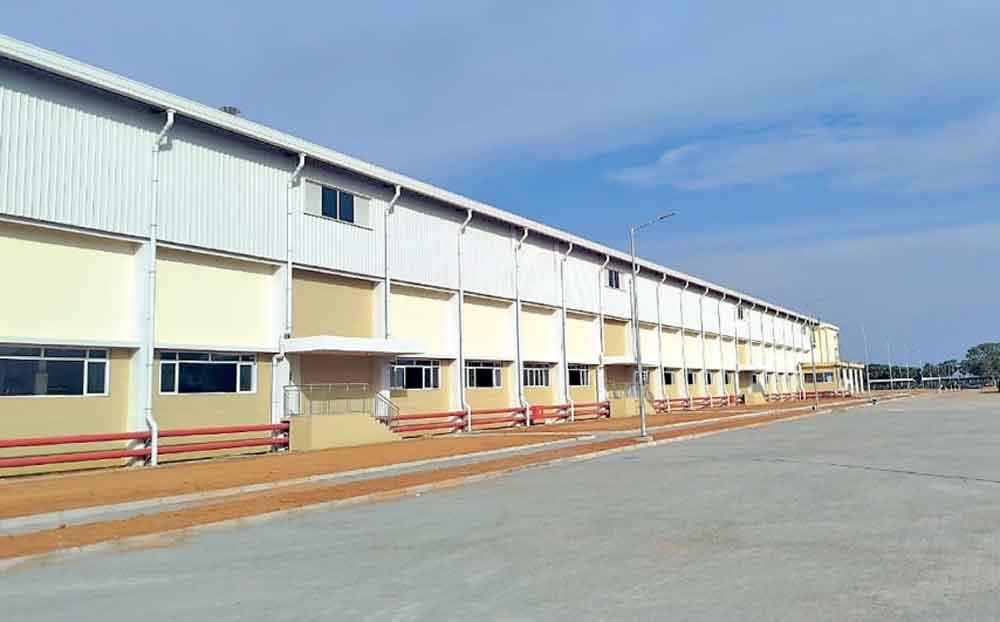
At the ADB’s Asia Clean Energy Forum earlier this year, Aitken Spence PLC highlighted its 10 MW Kerawalapitiya waste-to-energy power plant as an example of how countries with limited land availability could manage municipal waste while generating electricity.
Developed through the company’s subsidiary, Western Power Company, the facility involved an investment of approximately US$ 80 million.
The plant can process up to 700 tonnes of municipal solid waste daily and was presented as Sri Lanka’s first and only waste-to-energy power plant.
While such facilities can reduce the volume of waste requiring disposal and contribute to electricity generation, environmental organisations question whether incineration should receive priority over waste prevention and recycling initiatives.
Concerns Over Workers’ Rights and Community Protection
Beyond environmental issues, GAIA AP identified gaps in social safeguards across the projects examined.
Only five of the 49 projects included references to reintegrating informal waste workers or addressing risks associated with child labour and bonded labour.
Similarly, only six projects mentioned or had implemented Gender Action Plans.
The assessment also found that 21 projects carried high or moderate risks of involuntary resettlement. However, only three had resettlement action plans identified in the mapping.
GAIA AP warned that these gaps could leave vulnerable communities exposed to displacement, livelihood disruptions and other social consequences.
Informal waste collectors are considered particularly vulnerable because waste-to-energy facilities may redirect recyclable materials away from existing collection and recovery networks.
Environmental Groups Call for a Different Approach
GAIA Asia Pacific Climate and Anti-Incineration Campaigner Brex Arevalo called on the ADB to reconsider its support for waste incineration and technologies that the organisation considers ineffective responses to climate change and pollution.
He argued that projects carrying significant environmental and human rights risks should not proceed without adequate safeguards and meaningful community participation.
GAIA AP also highlighted opposition to waste-related projects in several Asian countries, including Thailand, the Philippines and the Maldives.
Among the projects cited was the Greater Malé waste-to-energy development in the Maldives, which has been the subject of a complaint submitted to the ADB’s Accountability Mechanism.
The organisation maintains that affected communities should have a stronger voice in decisions involving major infrastructure investments.
Calls for Investment in Zero Waste Solutions
Rather than directing substantial financing towards incineration facilities, GAIA AP is urging the ADB to support more sustainable waste management systems.
These alternatives include waste prevention, reuse, repair, recycling and composting, alongside initiatives that recognise and protect the livelihoods of informal waste workers.
The organisation argues that such approaches could help countries reduce pollution, preserve valuable resources and improve environmental outcomes without creating long-term dependence on waste incineration infrastructure.
For Sri Lanka, the findings contribute to an important discussion about balancing waste management needs, renewable energy ambitions, environmental protection and financial sustainability.
As the Asian Development Bank approaches its 60th anniversary, civil society organisations are calling for greater transparency, stronger accountability and a shift towards financing models that prioritise communities and long-term environmental sustainability.
The debate highlights a central challenge for developing economies: finding waste management solutions that are not only technologically effective, but also environmentally responsible, financially sustainable and socially inclusive.
Image Credits and Disclaimer: All photographs, project images and promotional materials accompanying this article belong to their respective photographers, organisations and copyright owners.