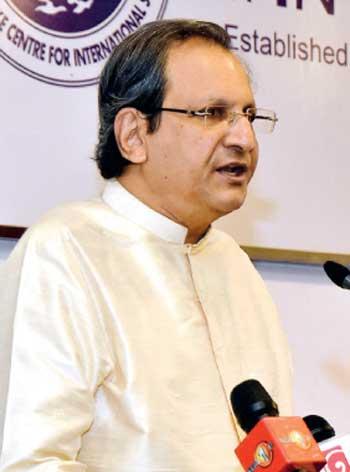
Sri Lanka’s decision on whether to continue with the International Monetary Fund (IMF), after its current programme, would test its ability to navigate competition among major powers, former Foreign Secretary Ravinatha Aryasinha said.
Delivering the Gamani Corea Memorial Lecture in Colombo on November 4, Aryasinha said the IMF programme had brought competing powers together during Sri Lanka’s economic crisis, temporarily easing pressure on Colombo to choose sides.
He said that room for manoeuvre was narrowing as March 2027 approached. Whether Sri Lanka continued with the IMF and on what terms, would have consequences for its foreign relations as well as its economy. Aryasinha said he sensed that jockeying for position had already begun and warned against aligning too closely with any one power.
He drew on Corea’s work to explain how the smaller countries could widen their options through multilateral institutions.
“Dr. Corea’s contribution to international economic diplomacy was rooted in the conviction that developing countries, including smaller states, need not simply accept the terms of an international order shaped by others. Through the strength of his ideas, his diplomatic engagement and his work in institutions such as UNCTAD and the South Centre, he helped give collective expression to the concerns of developing countries and advance the case for a more equitable international economic system.”For Sri Lanka, Aryasinha said, cultivating ties with a wider range of partners could give Colombo more options. Turning those relationships into trade and investment would also require addressing the weaknesses at home.
“Our strategic location should be an asset, not a source of perpetual uncertainty; our economic relationships should generate opportunities for sustainable growth, rather than deepen the existing vulnerabilities and our engagement with the international organisations should be guided by a consistent commitment to international law, rather than playing along ambiguously.
This calls for a foreign policy that is informed by a broader national consensus, supported by effective institutional safeguards and implemented through a professional diplomatic service.”
Aryasinha said an easing of diplomatic tensions had yet to deliver the wider market access or stronger investor interest Sri Lanka had expected. He pointed to the structural barriers that kept the economy uncompetitive and said the country had made limited progress in diversifying what it exports and where it sells.
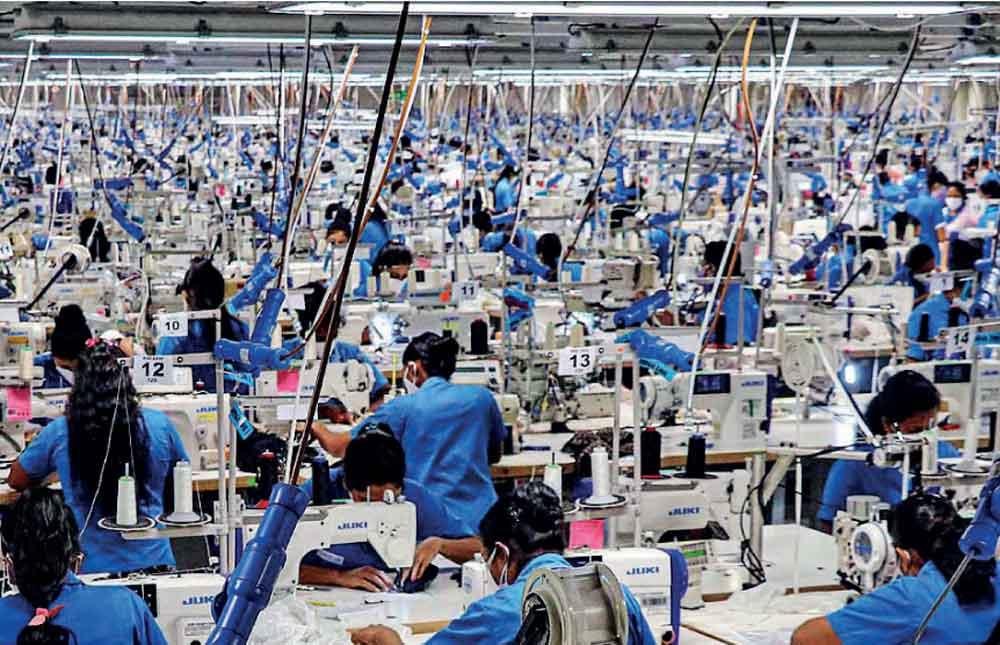
The export figures he cited showed the gains in India and China alongside a weaker performance in two established Western markets. In the first nine months of 2026, the shipments to India rose 12 percent and those to China climbed 16 percent. The exports to the United States, Sri Lanka’s largest single market, were flat, while the shipments to the United Kingdom fell more than 9 percent.
Aryasinha said Sri Lanka had placed considerable hopes on joining the Regional Comprehensive Economic Partnership. Its application has been pending since 2023, he said and the region still accounts for a small share of Sri Lanka’s trade in goods and services and its investment flows.