
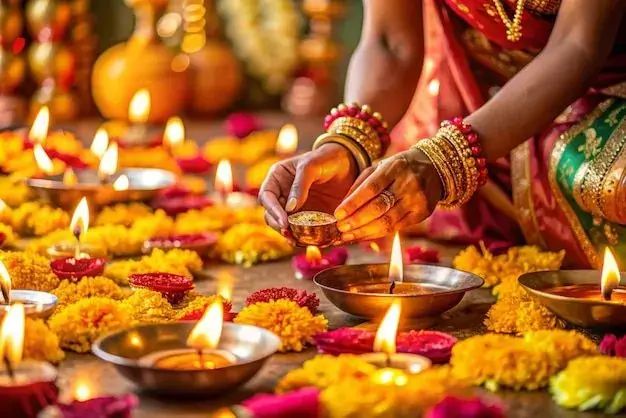
As millions of homes glow with the warm light of oil lamps, colourful decorations brighten streets and the aroma of festive sweets fills the air, communities around the world come together to celebrate Diwali. Known as the Festival of Lights, Diwali is one of the most significant celebrations in South Asian culture, bringing together religious beliefs, centuries-old traditions and the joy of spending time with loved ones.
Celebrated by Hindus, Sikhs, Jains and some Buddhist communities, Diwali represents more than a beautiful display of lights. It carries powerful messages about hope, renewal, prosperity and the triumph of good over evil. Although the stories and customs associated with the festival differ across communities and regions, its spirit of positivity and togetherness remains at the heart of the celebration.
The Origins of Diwali: Where Did the Festival Begin?
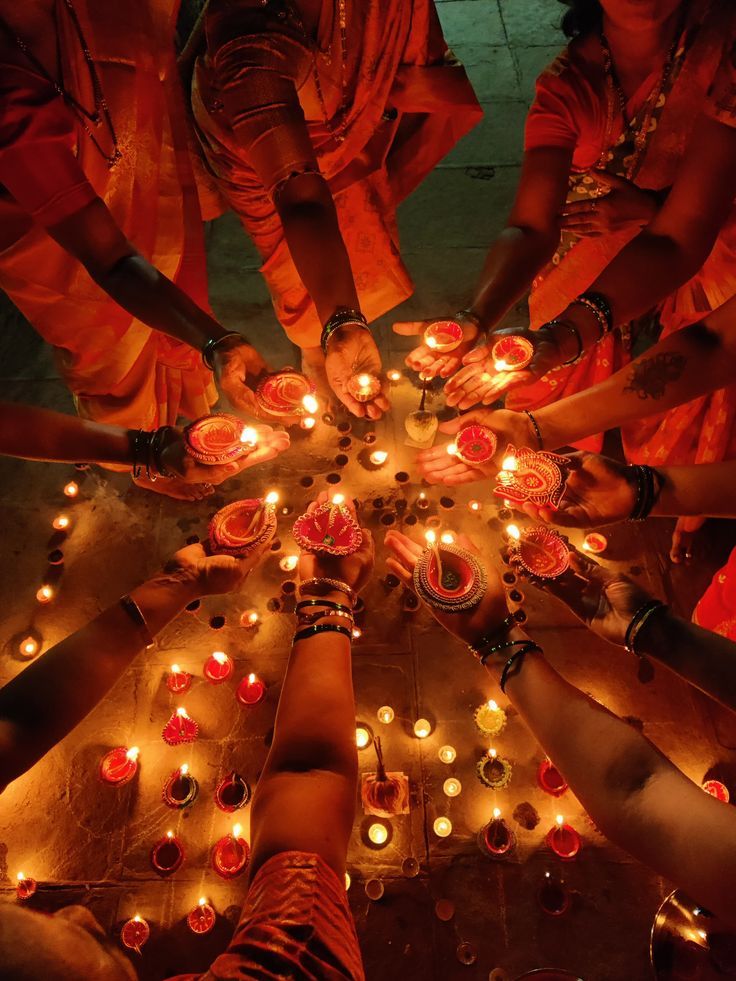
The word Diwali, also known as Deepavali, comes from the Sanskrit expression Deepavali, meaning a row or series of lights. The name reflects one of the festival’s most recognisable traditions: lighting small clay oil lamps, known as diyas, to illuminate homes and public spaces.
Diwali has ancient roots in the Indian subcontinent, with traditions and references developing over many centuries. However, the festival does not have one universally accepted origin story. Different regions and religious communities associate it with different historical and spiritual events.
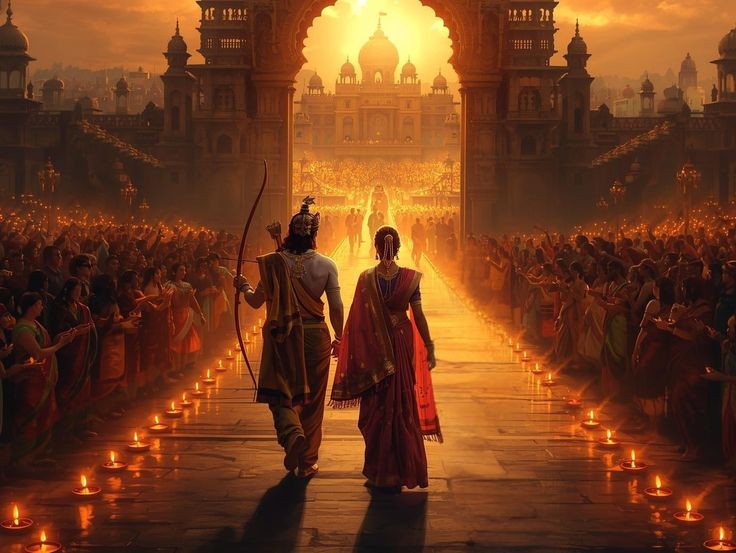
One of the most widely known Hindu stories comes from the ancient epic Ramayana. According to this tradition, Diwali commemorates the return of Lord Rama, his wife Sita and his brother Lakshmana to Ayodhya after 14 years of exile and Rama’s victory over the demon king Ravana. The people of Ayodhya are said to have welcomed their return by lighting rows of lamps throughout the kingdom.
In parts of southern India, the festival is associated with Lord Krishna’s victory over the demon Narakasura, symbolising the destruction of evil and the restoration of peace. Other regional traditions connect Diwali with Goddess Lakshmi, who represents wealth, prosperity and good fortune.
These different accounts reflect the diversity of Indian religious and cultural traditions while sharing a common message of light overcoming darkness.
Why Is Diwali Celebrated?
At its heart, Diwali celebrates the victory of good over evil, light over darkness and knowledge over ignorance. The lighting of lamps represents the hope that goodness, wisdom and positivity will prevail even during difficult times.
For many Hindus, the festival is also an occasion to honour Goddess Lakshmi, the goddess of wealth, prosperity and abundance. Families offer prayers and seek blessings for happiness, success and financial well-being in the coming year. Lord Ganesha, associated with wisdom and the removal of obstacles, is also worshipped in many households.
Diwali also carries special religious significance for communities beyond Hinduism.
- Hinduism: Diwali is associated with several religious stories, including Lord Rama’s return to Ayodhya, Lord Krishna’s victory over Narakasura and the worship of Goddess Lakshmi.
- Jainism: Jains observe Diwali to commemorate the attainment of moksha, or spiritual liberation, by Lord Mahavira, the 24th Tirthankara.
- Sikhism: The festival coincides with Bandi Chhor Divas, which commemorates the release of Guru Hargobind, the sixth Sikh Guru, from imprisonment, along with other political prisoners.
- Buddhism: Some Buddhist communities, particularly Newar Buddhists in Nepal, observe the festival through traditions that include worshipping Lakshmi. Some accounts also associate Diwali with Emperor Ashoka’s conversion to Buddhism.
Although the religious reasons differ, the festival provides an opportunity for reflection, gratitude and renewal.
The Cultural Value of Diwali
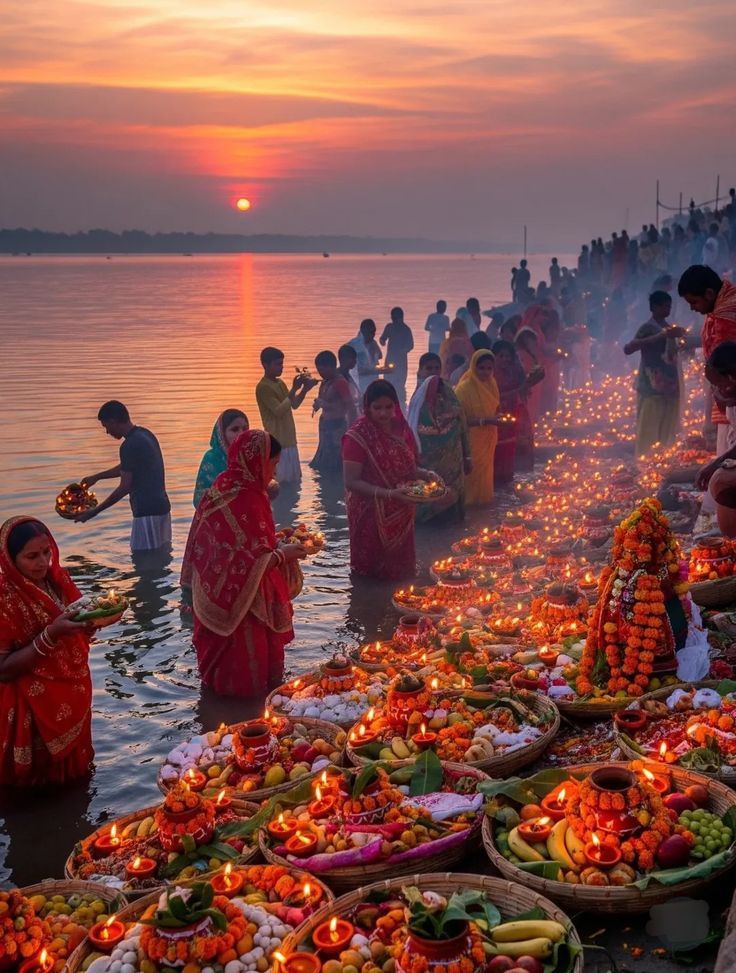
Beyond its religious importance, Diwali plays a significant role in preserving cultural identity and strengthening relationships between families and communities.
For generations, the festival has brought people together through shared meals, traditional clothing, decorations, religious ceremonies and celebrations. Parents and grandparents pass down customs to younger generations, helping preserve stories, beliefs, recipes and artistic traditions that form part of their cultural heritage.
The festival also encourages values such as generosity, kindness, forgiveness and gratitude. Families exchange gifts, prepare food for guests and, in many communities, take part in charitable activities and acts of service.
For people living away from their ancestral homes, Diwali can be an especially meaningful occasion to reconnect with their heritage. Celebrations held in different parts of the world allow communities to maintain their traditions while sharing them with people from other cultural backgrounds.
In this way, Diwali is not only a religious observance but also an expression of belonging, cultural continuity and community spirit.
The Five Days of Diwali
Although the festival’s customs differ across regions, many communities observe Diwali through a five-day sequence of celebrations.
- Day 1 – Dhanteras: Traditionally associated with wealth and prosperity, this day is often marked by cleaning homes and purchasing gold, silver or household items.
- Day 2 – Naraka Chaturdashi: Also known as Choti Diwali in some regions, this day is associated with the defeat of Narakasura and preparations for the main celebration.
- Day 3 – Lakshmi Puja: The main Diwali celebration for many Hindu communities, featuring prayers, lighting diyas, family gatherings and festive meals.
- Day 4 – Govardhan Puja or Annakut: Observed differently across regions, this day is associated with Lord Krishna and traditions of gratitude, food offerings and new beginnings.
- Day 5 – Bhai Dooj: A celebration of the bond between brothers and sisters, often marked by prayers, gifts and family gatherings.
Not every community follows this exact sequence, and some traditions use different names or observe additional religious occasions.
Diwali Around the World
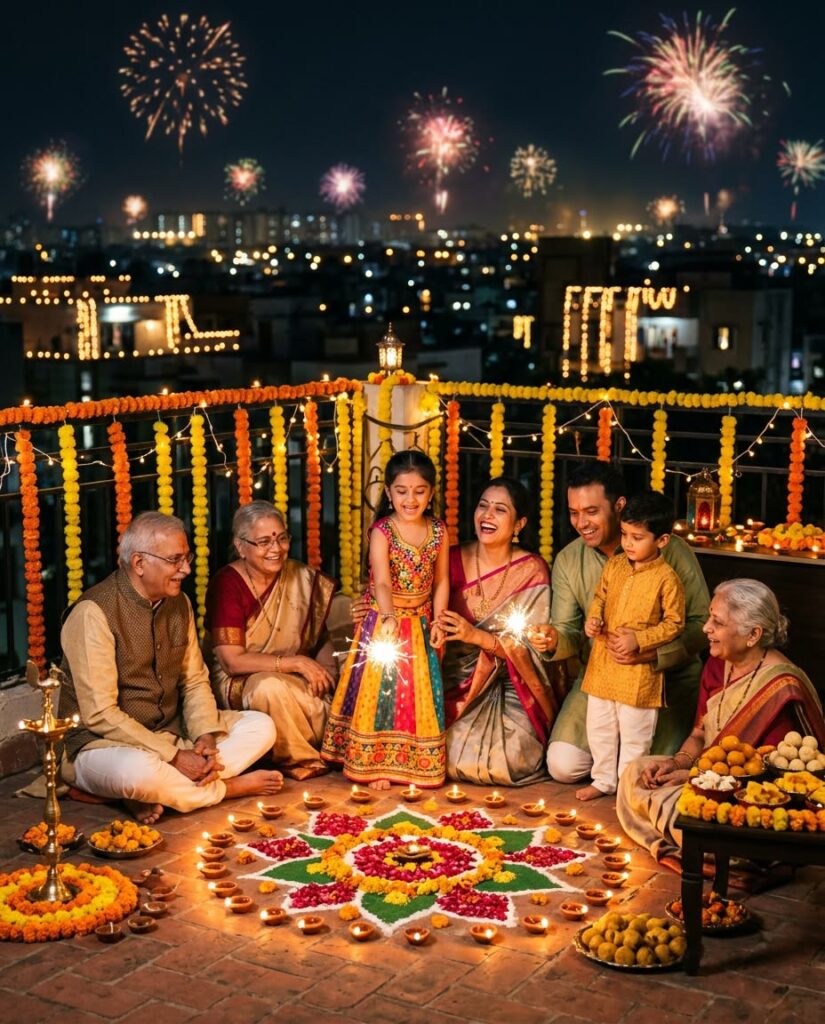
Although Diwali has its roots in the Indian subcontinent, its celebrations have reached communities around the world through migration and cultural exchange.
India remains at the centre of some of the largest Diwali celebrations, with cities and towns illuminated by thousands of lamps and decorative lights. Nepal also celebrates the festival through Tihar, a multi-day celebration that includes the worship of animals, family traditions and the lighting of homes.
In countries such as Sri Lanka, Singapore, Malaysia, the United Kingdom, Canada and Australia, Hindu communities observe Diwali through temple ceremonies, cultural events, family gatherings and public celebrations.
In Sri Lanka, Deepavali holds particular significance among Hindu communities, especially Tamil families. Homes are decorated with lamps, families prepare traditional sweets and meals, visit temples and exchange festive wishes. The celebration also offers an opportunity for people from different communities to appreciate the country’s cultural diversity.
More Than a Festival of Lights
Diwali is ultimately a celebration of hope, renewal and the values that bring people together. Its lamps represent more than physical light; they reflect the importance of wisdom, kindness, compassion and the courage to overcome darkness in everyday life.
Whether celebrated through religious prayers, family traditions, colourful decorations, festive food or the simple act of lighting a diya, Diwali continues to hold a special place in the lives of millions.
As homes and streets shine with beautiful lights, the festival carries a timeless reminder: even the smallest light can make a difference in the darkest surroundings.
Image Disclaimer: Pictures used belong to their respective rightful owners.