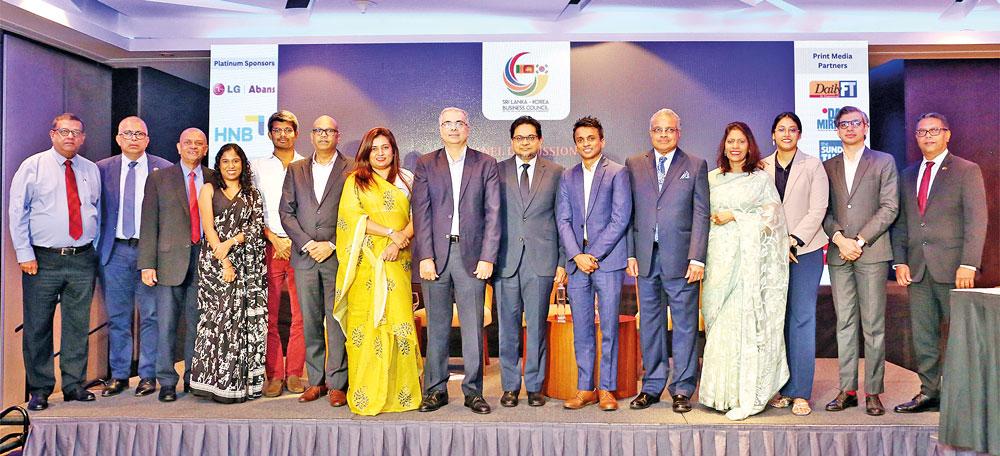
Sri Lanka’s post-crisis economic recovery came under intense scrutiny at a recent forum hosted by the Sri Lanka-Korea Business Council of the Ceylon Chamber of Commerce, where leading economists and business leaders debated whether headline growth alone can deliver lasting stability or whether deeper structural and institutional reforms are needed.
Held at Hilton Colombo Residences under the theme “Sri Lanka’s Future – Forecast, Scenarios and Challenges,” the discussion examined the country’s macroeconomic outlook, debt rollover risks, credit ratings, productivity, demographic pressures, monetary policy and the long-delayed reforms needed to prevent another sovereign crisis.
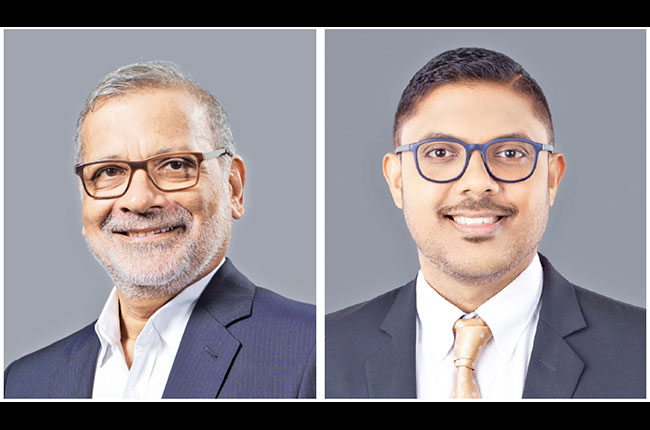
The forum featured keynote presentations by Verité Research Executive Director Dr. Nishan de Mel and Advocata Institute Chairman Murtaza Jafferjee, followed by a primary panel and a reaction panel designed to challenge the ideas presented and identify practical policy priorities.
A recovery facing a critical test
Opening the event, Sri Lanka-Korea Business Council President Shamil Mendis said Sri Lanka had reached an important stage in its economic journey, with signs of recovery emerging alongside significant challenges.
“Sri Lanka is at an important stage in its economic journey. We have seen encouraging signs of recovery but at the same time, the path ahead will bring both opportunities and challenges. We have to maintain stability and we have to grow our economy at the same time,” Mendis said.
He noted that understanding Sri Lanka’s future requires more than simply examining economic forecasts. Businesses must also consider different scenarios, potential risks and emerging opportunities.
The event also brought together senior diplomatic representatives, including the ambassadors of Italy and Türkiye and the High Commissioner of Canada. It marked the final public appearance in Sri Lanka of Korean Ambassador Miyon Lee, who was preparing to leave for her next diplomatic posting.
Are Sri Lanka’s economic forecasts pointing in the wrong direction?
Dr. Nishan de Mel used an unexpected historical comparison to challenge the way Sri Lanka approaches economic forecasting.
Drawing on the story of Christopher Columbus, who intended to reach India but instead landed in the Caribbean because of a navigation error, de Mel warned that knowing the desired destination means little if the trajectory is wrong.
He argued that Sri Lanka could face a similar problem if policymakers continue relying heavily on official economic projections that have repeatedly diverged from actual outcomes.
According to de Mel, official forecasts have consistently underestimated current account surpluses, overestimated exchange-rate depreciation and misjudged borrowing costs, while economic growth has at times performed better than projected.
He argued that such forecasting errors can have serious consequences for fiscal and debt management. He pointed to Sri Lanka’s decision to delay domestic debt restructuring in 2022 despite warnings, which ultimately contributed to higher domestic interest obligations.
Inflation and the cost of high real interest rates
Monetary policy was another major point of contention.
De Mel highlighted the Central Bank of Sri Lanka’s legal mandate to maintain headline inflation at 5 percent, arguing that inflation had remained below that target for eight consecutive quarters, including periods of deflation.
The economist warned that the combination of high nominal interest rates and very low inflation can produce exceptionally high real interest rates, effectively redistributing wealth towards those with significant savings while placing greater pressure on households and workers.
He argued that Sri Lanka had misread both supply and demand-side shocks during the crisis, resulting in monetary policy responses that intensified economic pressure.
De Mel also questioned institutional accountability, arguing that repeatedly missing a legally established inflation target should trigger stronger scrutiny and explanations from policymakers.
Productivity, exports and a shrinking workforce
Murtaza Jafferjee shifted the discussion towards Sri Lanka’s deeper structural weaknesses, arguing that sustainable growth cannot depend on debt-driven consumption.
He identified productivity, competition, trade liberalisation and reducing the footprint of state-owned enterprises as critical components of long-term economic expansion.
Using the Harvard Atlas of Economic Complexity, Jafferjee compared Sri Lanka’s relatively narrow export base with countries such as Vietnam, which dramatically expanded exports by moving into more complex manufactured products, machinery and electronics.
Sri Lanka, by contrast, remains heavily concentrated around traditional exports such as garments, tea and rubber.
Jafferjee argued that developing greater economic complexity requires access to tacit knowledge, which can be acquired through foreign direct investment and by reconnecting with the skilled Sri Lankan diaspora.
The demographic outlook adds another layer of pressure. Annual births have fallen sharply, from approximately 370,000 in the post-conflict period to around 240,000 last year. At the same time, census data indicates a significant gap among people aged between 25 and 35, reflecting substantial migration from the country.
Female labour force participation also remains a major challenge. Despite women accounting for more than half of the population and generally achieving stronger educational outcomes, female participation in the workforce remains around 32 percent.
Jafferjee argued that Sri Lanka must address these productivity and labour-market weaknesses if it is to generate sustained economic growth.
The problem Sri Lanka already knows how to solve
The reaction panel focused heavily on a familiar frustration: Sri Lanka has identified many of its economic problems repeatedly, but implementation remains limited.
The Examiner CEO Daniel Alphonsus argued that the country has spent decades discussing the same reforms without taking sufficiently serious action.
Arutha Co-Founder and Director Rehana Thowfeek similarly questioned why reforms such as increasing exports, opening markets and improving competitiveness remain stalled years after the economic crisis.
The discussion therefore moved beyond identifying problems towards a more difficult question: why does Sri Lanka repeatedly struggle to implement solutions that policymakers and businesses already understand?
Debt rollover could become the next major test
Jafferjee warned that Sri Lanka faces another significant challenge as grace periods expire and commercial debt repayments increase in 2028 and 2029.
He argued that the country’s ability to refinance its obligations will depend heavily on how international credit-rating agencies assess Sri Lanka.
With the country still carrying a speculative-grade rating, Jafferjee warned that accessing international capital markets at sustainable rates could remain difficult unless Sri Lanka significantly improves its credit standing.
He also highlighted the impact of elevated global interest rates, which could make refinancing more expensive.
The discussion raised the possibility of future engagement with the International Monetary Fund, although panellists distinguished between returning to a comprehensive IMF programme and seeking specific IMF financing facilities.
Growth versus human wellbeing
The debate over productivity eventually moved beyond economics.
Jafferjee proposed rationalising Sri Lanka’s public holiday calendar, arguing that the country’s large number of weekday holidays and extended weekends contribute to lost productivity.
The proposal immediately attracted resistance from Thowfeek, who defended the importance of holidays while pointing to the economic pressure already facing households.
She noted that real wages have fallen significantly compared with pre-crisis levels, raising questions about how much additional pressure workers can realistically absorb in the name of productivity.
De Mel took the discussion further, arguing that economic growth should ultimately serve human wellbeing rather than become an objective in itself.
He warned against treating GDP growth as the ultimate measure of success, arguing that economic policy should instead focus on whether people’s lives are genuinely improving.
He also criticised the lack of consistent official poverty measurement, noting that poverty rose sharply during the crisis while comprehensive tracking remained inadequate.
Governance, democracy and foreign capital
The final stage of the discussion turned towards governance and Sri Lanka’s ability to maintain long-term economic policy.
Global Consulting Company CEO Aroshi Nanayakkara questioned whether five-year electoral cycles make it difficult for Sri Lanka to maintain long-term national strategies.
She also argued that Sri Lanka has significant domestic liquidity and does not necessarily lack capital, but needs greater access to international knowledge and expertise.
Kanishka Mannakkara offered a contrasting view, arguing that Sri Lanka cannot isolate itself from the global investment environment.
He said international capital brings not only funding but also knowledge, liquidity and stronger governance pressures.
Mannakkara also defended democratic institutions, warning against viewing centralised or authoritarian governance as a shortcut to economic development.
Sri Lanka’s window for reform
As the discussion concluded, a broad consensus emerged around the need to use Sri Lanka’s current period of relative economic stability to address problems that could become significantly more difficult once debt-service obligations rise.
The challenges extend well beyond immediate fiscal management. Sri Lanka must improve productivity, diversify exports, attract investment and expertise, address demographic pressures, strengthen institutional accountability and overcome vested interests that can obstruct reform.
Jafferjee captured the urgency of the moment by quoting former U.S. President John F. Kennedy: “The time to repair the roof is when the sun is shining.”
For Sri Lanka, the message is clear: the absence of an immediate crisis should not be mistaken for the absence of risk. The country’s recovery may have created breathing room, but whether that window produces lasting prosperity will depend on how effectively structural reforms are implemented before the next major economic test arrives.
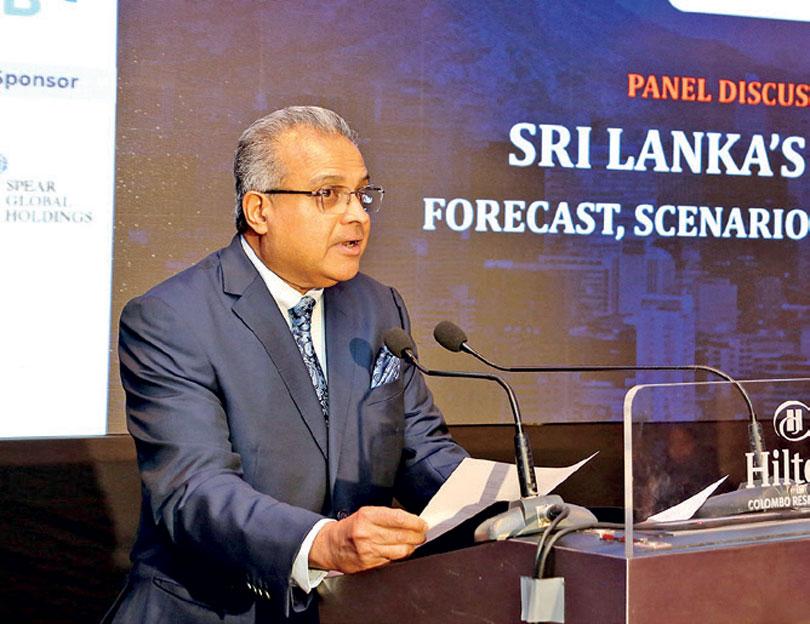
Sri Lanka-Korea Business Council President Shamil Mendis
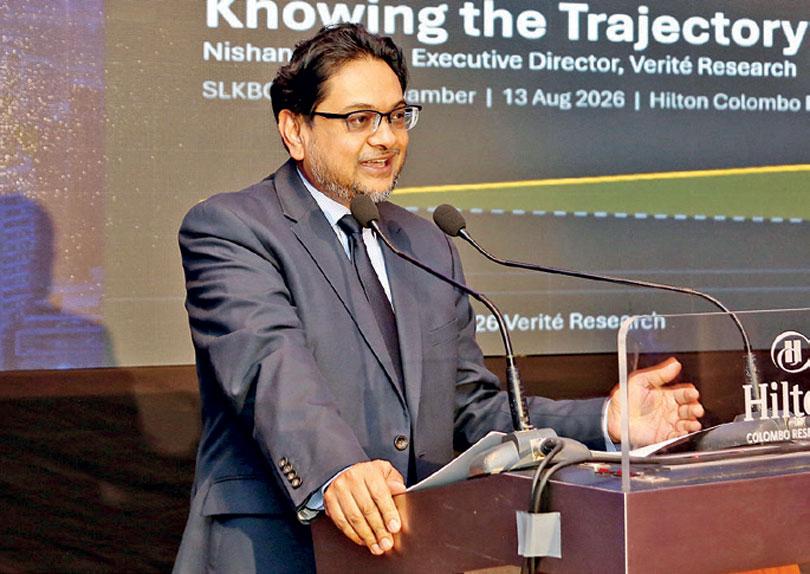
Verité Research Executive Director Dr. Nishan de Mel
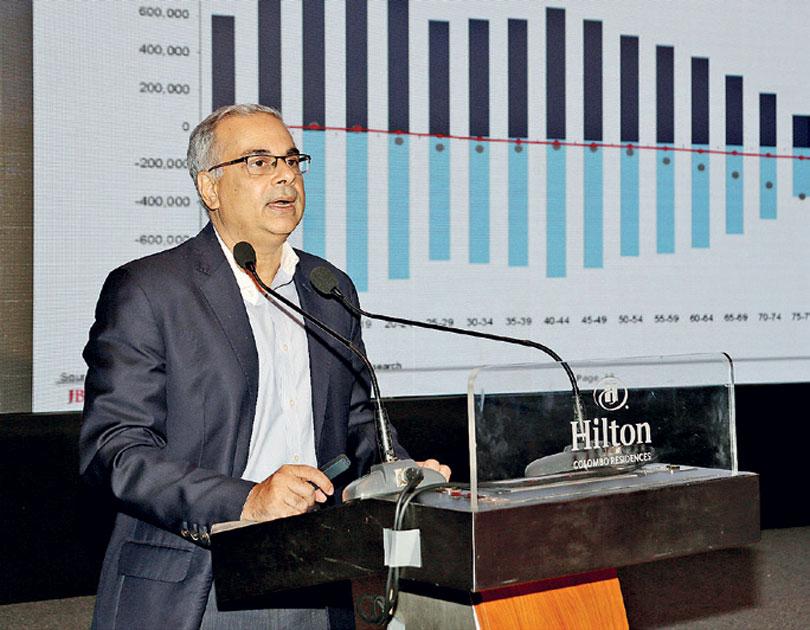
Advocata Institute Chairman Murtaza Jafferjee
The Examiner CEO Daniel Alphonsus
CAL Holdings Group CEO Kanishka Mannakkara
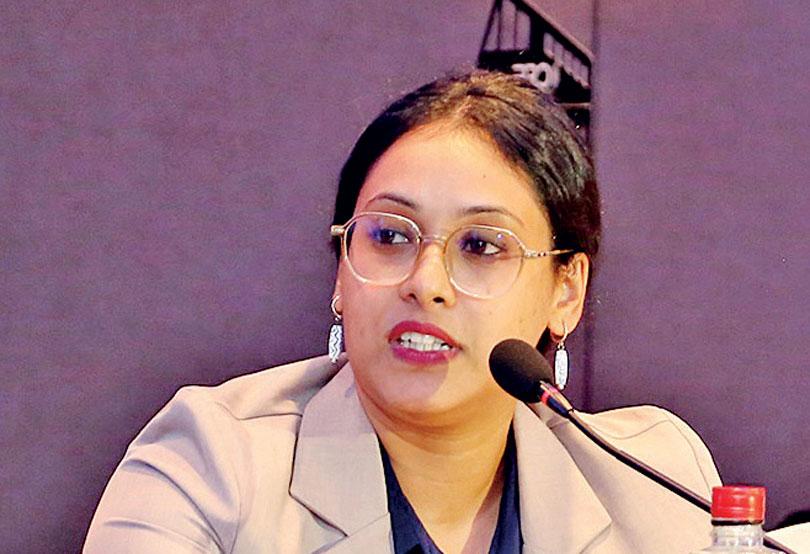
Arutha Co-Founder and Director Rehana Thowfeek
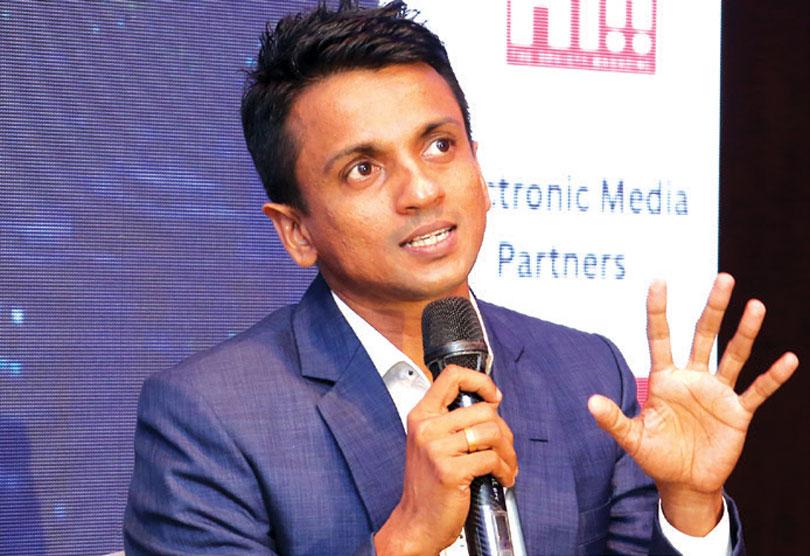
Advocata Institute CEO Dhananath Fernando
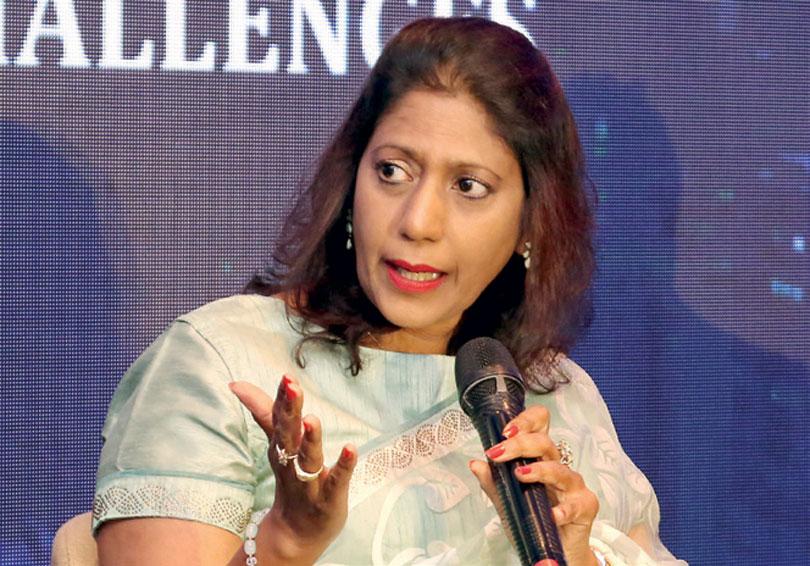
Global Consulting Company CEO Aroshi Nanayakkara

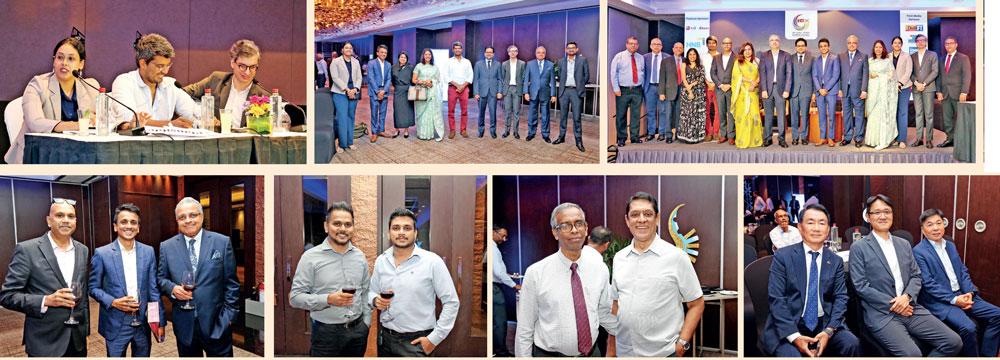
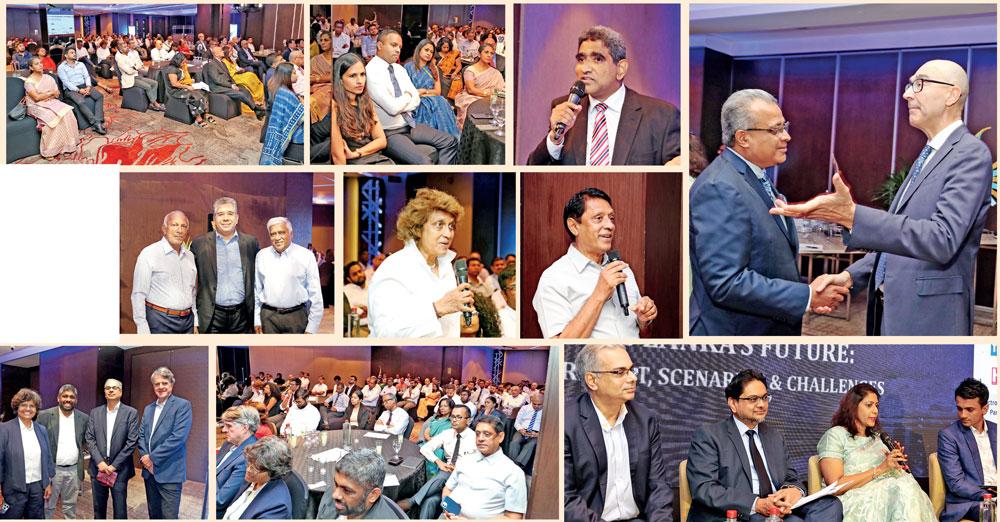
Image Disclaimer: Images used in this article are the property of their respective copyright holders and rightful owners. No ownership is claimed over the images.