

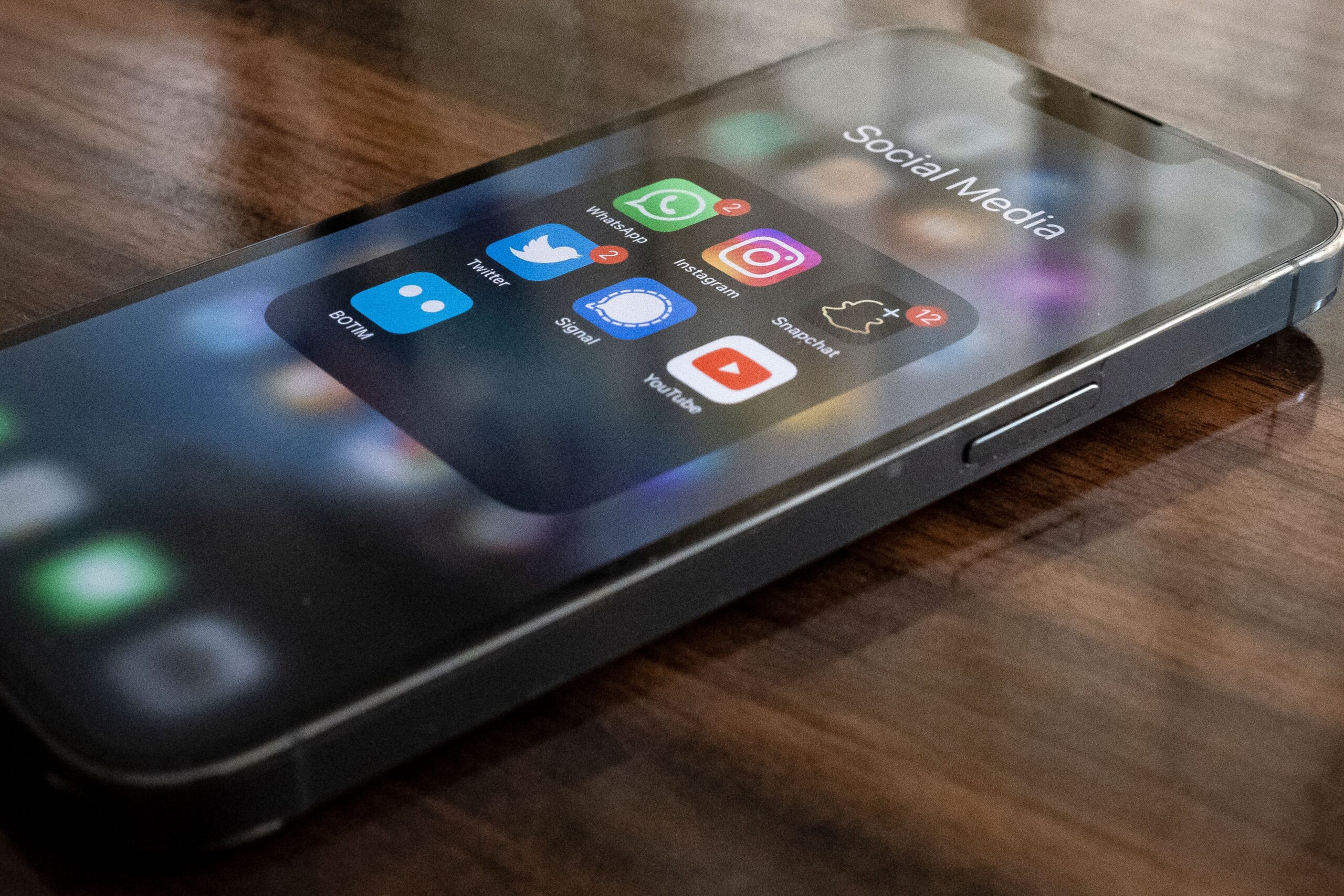
Around the world, governments are rethinking how children access social media. Countries including Australia, the United Kingdom, France, Norway, Indonesia and China have introduced or proposed age-based restrictions, reflecting growing concern about the impact of digital platforms on children’s mental health, safety and development.
Sri Lanka is now considering similar measures.
Earlier this year, the Ministry of Women and Child Affairs announced plans to prohibit children under 12 from using social media, while a recently introduced Private Member’s Bill proposes raising the minimum age to 16. Although no law has yet been passed, the debate has rapidly moved from policy discussions to Parliament.
Supporters argue that stronger regulation is needed to protect children from cyberbullying, online predators, harmful content, digital addiction and declining mental wellbeing. Medical professionals and child psychologists have also raised concerns about excessive screen time, reduced attention spans and the effects social media can have on young users’ emotional development.
Internationally, Australia has become one of the first countries to require social media companies—not parents—to prevent children under 16 from creating accounts. Companies that fail to comply face substantial financial penalties. However, early reports suggest many teenagers have continued accessing platforms by bypassing age verification systems, highlighting the challenges of enforcing such laws.
These experiences provide an important lesson for Sri Lanka. Introducing legislation alone may not be enough. Effective enforcement, reliable age verification systems and clear responsibilities for digital platforms will all be necessary if restrictions are to succeed.
At the same time, critics argue that outright bans are not a complete solution. Human rights organisations, including Amnesty International, have suggested that governments should focus on making platforms safer for everyone rather than relying solely on age restrictions. They advocate stronger privacy protections, limits on addictive platform features such as autoplay and infinite scrolling, and greater accountability for technology companies.
Some researchers also point out that social media offers important benefits, including educational opportunities, access to information and online communities that provide support for young people who may feel isolated offline.
The G7 has taken a similar approach by calling for digital services to be designed with children’s safety in mind. Rather than focusing exclusively on bans, world leaders have encouraged technology companies to create age-appropriate online environments while strengthening parental controls, privacy protections and safeguards against harmful content.
For Sri Lanka, the challenge is to strike the right balance between protecting children and preserving the benefits of digital technology.
Many experts believe the country could adopt a phased approach, combining stricter restrictions for younger children with stronger parental supervision, digital literacy programmes and greater accountability for social media companies. Such a strategy could offer meaningful protection while preparing young people to use technology responsibly as they grow older.
Ultimately, the debate extends beyond social media itself. It raises broader questions about children’s rights, digital responsibility and the role governments should play in safeguarding young people in an increasingly connected world. As Sri Lanka considers its next steps, the decisions made today could shape how future generations experience the digital age.


