
Sri Lanka is experiencing a sharp increase in dengue infections, placing growing pressure on hospitals and healthcare workers across the country. With more than 54,000 cases and 31 deaths reported so far this year, medical professionals are urging the public to act quickly at the first signs of illness and to avoid self-medication that could worsen the disease.
Health authorities caution that if infections continue to rise, hospitals may struggle to cope with the increasing number of patients requiring close monitoring and specialised care.
Hospitals Near Capacity
Medical experts say the country’s healthcare system is already under significant strain.
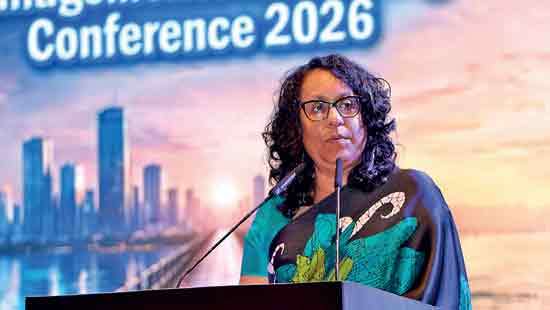
Speaking during a recent media briefing, Sri Lanka Medical Association (SLMA) President Dr. Manilka Sumanatilleke noted that many hospitals are operating close to maximum capacity. Dengue patients often require frequent blood tests, continuous monitoring and around-the-clock medical attention, making severe outbreaks particularly challenging for healthcare facilities.
He stressed that preventing further transmission now depends not only on healthcare workers but also on the public.
Residents have been urged to eliminate stagnant water around homes and workplaces, as dengue mosquitoes typically breed and spread within a relatively limited area. Regular inspections of gardens, drains, containers and other potential breeding sites can significantly reduce mosquito populations.
High-Risk Groups Urged to Seek Early Care
Doctors are particularly concerned about people with chronic illnesses such as diabetes, hypertension and high cholesterol, as these conditions may increase the risk of complications from dengue.
Medical professionals have also observed that a large proportion of reported cases involve women, particularly older women, leading experts to suspect that delays in seeking treatment may be contributing to more severe illness.
Anyone experiencing fever should seek medical advice promptly rather than waiting for symptoms to worsen.
Current Situation
According to the National Dengue Control Unit, more than 54,000 dengue infections had been reported nationwide by the end of June, along with 31 fatalities.
The highest number of cases continues to be recorded in the Western, Southern and Sabaragamuwa provinces, although infections have been identified across all 25 districts.
Districts including Colombo, Gampaha, Kalutara, Galle, Matara, Ratnapura, Kandy, Hambantota, Kurunegala, Batticaloa and Puttalam remain among the areas experiencing the highest transmission rates.
Health authorities have intensified mosquito control programmes and awareness campaigns in these high-risk locations in an effort to slow the spread of the disease.
Officials also noted that thousands of new infections have been recorded within a single week, highlighting the speed at which the outbreak is expanding.
Why Cases Are Increasing
Experts explain that dengue outbreaks are influenced by several factors, including changes in the dominant virus circulating within the population.
Professor Neelika Malavige of the University of Sri Jayewardenepura explained that dengue is caused by four different virus serotypes, known as DENV-1, DENV-2, DENV-3 and DENV-4.
Sri Lanka has experienced shifts in the dominant serotype over recent years. While DENV-3 became more common during 2023 and 2024, current hospital data indicate that DENV-2 is once again responsible for the majority of infections.
Because immunity to one serotype does not provide full protection against the others, changes in circulating strains can contribute to larger outbreaks.
Doctors also point out that dengue is not the only viral illness currently affecting the population, with chikungunya and influenza also being reported.
Don’t Rely Solely on Rapid Tests
Medical professionals warn that some patients delay treatment because they rely entirely on rapid diagnostic tests or attempt to monitor their condition at home.
Professor Malavige explained that commonly used NS1 antigen tests may not detect every dengue infection, particularly when certain virus strains are involved.
A negative test result therefore does not automatically rule out dengue.
For this reason, individuals experiencing persistent fever and other symptoms should seek medical evaluation rather than assuming they are free from infection based on a single test.
Early clinical assessment remains essential for preventing serious complications.
Why Steroids Can Be Dangerous
Doctors are also raising concerns about inappropriate treatments being offered to dengue patients.
Consultant Physician Dr. Ananda Wijewickrama warned against taking medications other than paracetamol unless specifically recommended by a qualified medical professional.
He highlighted the misuse of steroid medications, including prednisolone, by some practitioners.
According to Dr. Wijewickrama, steroids may temporarily reduce symptoms, causing patients to believe they have recovered after a day or two. This false sense of improvement can delay proper medical care while the disease continues to progress, increasing the risk of severe complications that may eventually require hospital admission.
He urged members of the public to report any inappropriate prescribing practices to health authorities and reminded patients that steroid treatment is appropriate only under very specific medical circumstances.
Doctors advise dengue patients to rest, remain well hydrated, consume oral rehydration solutions and nutritious fluids, and continue medical follow-up even if the fever subsides.
Caring for Children
Parents have also been urged to remain vigilant when children develop fever.
Consultant Paediatric Intensivist Dr. Nalin Kitulwatte of the Lady Ridgeway Hospital for Children emphasized that children with suspected dengue should stay home from school, regardless of examinations or other important events.
He encouraged parents to provide plenty of fluids, including fruit juices, king coconut water and oral rehydration solutions, while ensuring children receive only the recommended dose of paracetamol for fever management.
Parents should avoid giving additional medications without medical advice, as some drugs may increase the risk of complications.
Importantly, doctors warn that dengue can become more dangerous after the fever begins to settle. A child whose temperature has returned to normal may still enter the critical phase of the illness.
Blood tests performed approximately 48 hours after the onset of fever can help doctors monitor disease progression and identify patients requiring closer observation.
If a child appears unusually tired, experiences severe pain, persistent vomiting or shows any signs of deterioration, immediate medical attention should be sought.
Prevention Remains the Best Defence
Health experts agree that controlling the current outbreak will require cooperation from the entire community.
Early diagnosis, prompt medical treatment, eliminating mosquito breeding sites and avoiding inappropriate self-medication remain the most effective ways to reduce severe illness and save lives.
With hospitals already under considerable pressure, authorities stress that public awareness and preventive action are just as important as medical treatment in bringing the outbreak under control.