The apparel industry has urged the government to move quickly on the Budget 2027 measures to cut the trade costs and spur investment, while asking whether the smaller manufacturers can qualify for a proposed capital allowance with investments below US $ 3 million.
The Joint Apparel Association Forum (JAAF) said the budget adopted several of its proposals, including a 200 percent allowance on qualifying capital expenditure for the export-oriented manufacturers approved by the Board of Investment that invest at least US $ 3 million. The industry body said the measure could encourage the manufacturers to upgrade technology and expand capacity and sought a lower threshold for the small and medium-sized enterprises.
“Budget 2027 gives the exporters a constructive base to build on,” JAAF Chairman Felix Fernando said.
“Announcements create confidence but implementation delivers results. We look forward to working with the government to ensure these measures are put into practice quickly, so that the investors can plan with certainty.”
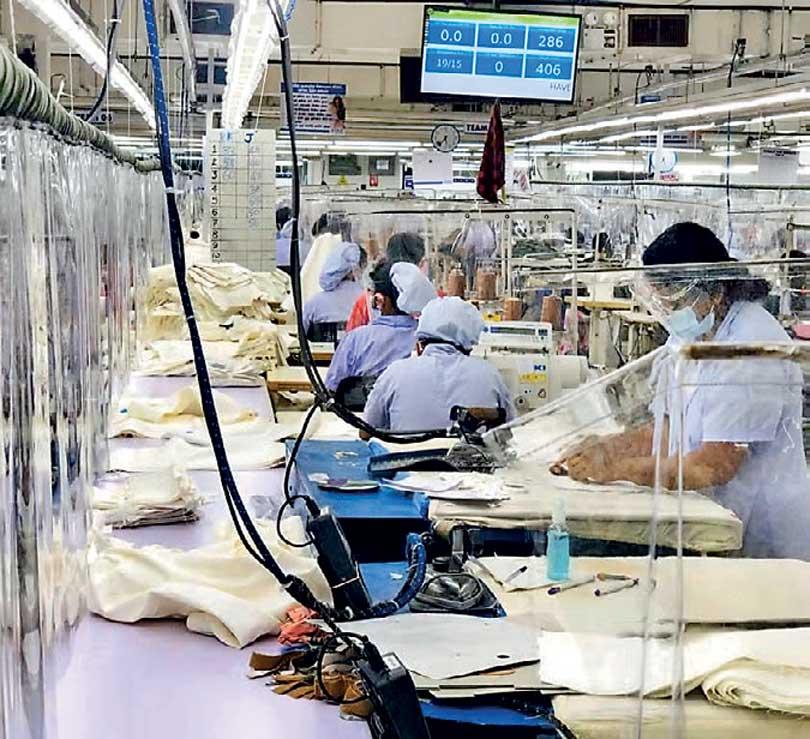
The JAAF said apparel was Sri Lanka’s largest export earner, with the shipments exceeding US $ 5 billion in 2025.
The budget allocates Rs.1.99 billion to the National Single Window for Trade, which is scheduled to connect the exporters in the first half of 2027. The JAAF sought the details on the scope and timing of the rollout and backed the plans to overhaul the Customs Ordinance, modernise the Temporary Importation for Export Processing scheme and move towards paperless clearance.
The association also asked the government to identify the 800 tariff lines covered by a proposed 25 percent reduction in the cess rates and clarify whether they include imported materials used to build new manufacturing facilities.
On Value Added Tax (VAT), the budget proposes allowing the newly registered exporters to qualify earlier for the eligible exporter status and reviewing the procedural requirements that can prevent the businesses from claiming the legitimate refunds or input tax credits. The JAAF also sought clarity on the indicative exchange rate to be used for VAT on foreign-currency supplies.
The industry body flagged the energy costs and reliability of supply as factors in manufacturing competitiveness and said it hoped to take part in the labour law review through the National Labour Advisory Council.
The JAAF reiterated its support for Sri Lanka’s reapplication for the European Union’s (EU) GSP+ tariff preferences, citing the importance of continued access to the market. It also welcomed a Rs.3.43 billion EU-funded project running from 2027 to 2030, to support the export competitiveness and sustainable production.