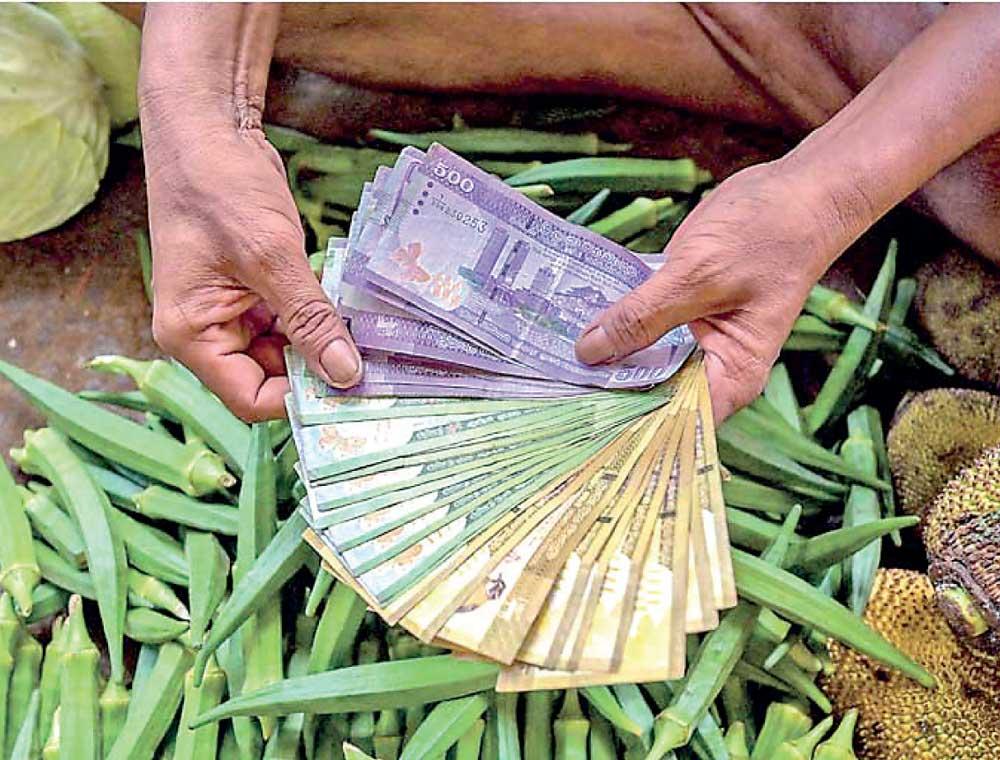
Inflation held at 8.1 percent in September, pausing a six-month upward run, as the lower fuel prices helped offset the rising food costs, according to the Census and Statistics Department.
The latest National Consumer Price Index (NCPI) showed food inflation accelerated to 6.9 percent, from 6.6 percent in August, while non-food inflation eased to 9.1 percent, from 9.3 percent.
The unchanged headline rate follows a steady rise from 1.6 percent in February to 8.1 percent in August, underscoring the build-up in the price pressures over the year.
On a monthly basis, however, the increase in consumer prices slowed to 0.11 percent, from 0.26 percent in August. The NCPI edged up to 224.2 points, from 223.9, with the expenditure value of its representative basket increasing by Rs.123.85.
September’s outcome reflected the competing pressures on the household budgets. The higher prices for several food essentials pushed the expenditure up, while the reductions in the petrol and LP gas prices provided some relief.
Food accounted for an increase of Rs.214.98 in the basket’s monthly expenditure value, partly offset by a Rs.91.12 reduction in the non-food expenditure.
Big onions, fresh fruits and milk powder were the main sources of upward pressure on the food prices during the month. Limes, coconuts, sugar, potatoes and bread also became more expensive.
The lower prices for fresh fish, green chillies, eggs, vegetables, rice and dried fish cushioned part of the increase.
Overall, food contributed 0.19 percentage points to the monthly movement in the index, while the non-food items reduced it by 0.08 percentage points.
Transport provided the largest monthly offset, with the expenditure in the category declining by Rs.169.13, chiefly reflecting the lower petrol prices. The reduced LP gas prices also helped contain the household spending.
These savings were partly eroded by the increases in the international school fees, health costs, household maintenance expenses and restaurant and hotel prices.
Despite the monthly decline in the non-food prices, the category continued to account for the larger share of annual inflation, contributing 5.00 percentage points against the food’s 3.11 percentage points.
Transport was the single largest non-food contributor to annual inflation, at 2.20 percentage points. Petrol alone accounted for 1.05 percentage points, while the higher bus fares and school transport costs also added pressure.
Housing, water, electricity, gas and other fuels contributed a further 1.17 percentage points, reflecting the increases in rents, maintenance materials and energy costs compared with September last year.
Within food, fresh fish, dried fish, big onions and vegetables were among the main drivers of the annual increase. The lower coconut and rice prices helped limit the rise. The 12-month moving average inflation rate increased to 4.5 percent, from 4.1 percent in August, indicating that the cumulative impact of the earlier price increases continued to feed through, despite September’s steadier headline reading.
The NCPI covers the household consumption across the country through a basket of 485 items, using 2021 as its base year.
Food inflation quickens as headline rate steadies