After years of being defined by imported vehicles, Sri Lanka’s automotive industry is beginning to take on a different shape.
The country’s policy focus is increasingly shifting towards building vehicles locally, signalling a broader push to create manufacturing jobs, deepen industrial capacity and retain more value within the economy.
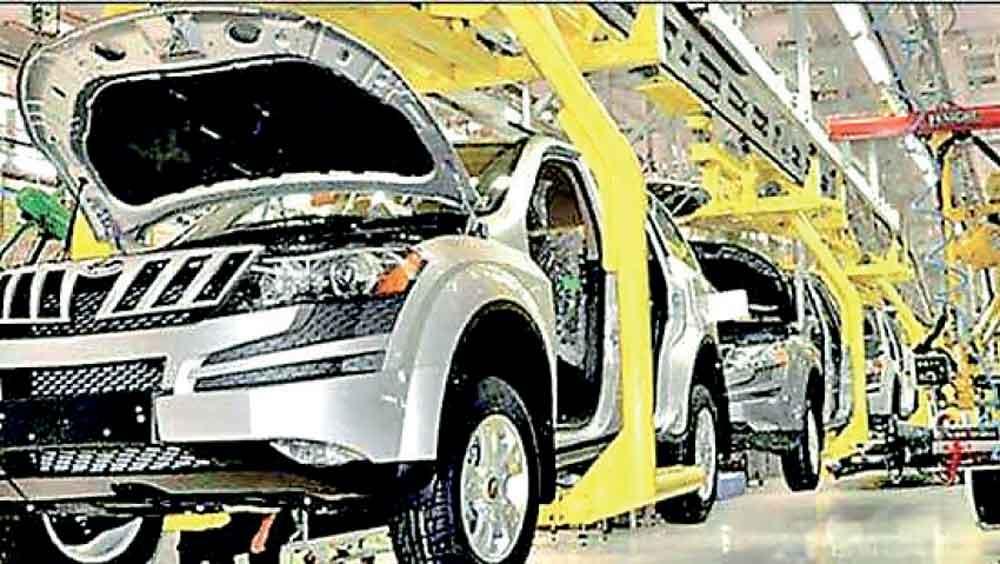
More than 15 vehicle assembly plants are now operating in Sri Lanka, supported by a policy requiring locally assembled vehicles to contain at least 20 percent domestic content, according to the Ceylon Chamber of Commerce’s Motor Vehicle Industry Report 2025/26.
The development marks a notable evolution for an industry that has long revolved around vehicle imports and distribution. While imports remain critical, the growing emphasis on local assembly reflects a wider industrial strategy, aimed at fostering domestic manufacturing, creating skilled employment and encouraging the development of supporting industries.
Sri Lanka’s vehicle market regained momentum following the easing of import restrictions. More than 327,000 new vehicles were registered during the first six months of 2026, underscoring a sharp recovery in consumer demand, while motor vehicle imports generated Rs.896.4 billion in customs taxes, reaffirming the sector’s importance to government revenue.
Beyond the domestic market, the global automotive industry is undergoing one of its biggest transformations in decades. Electric vehicles (EVs) now account for one in every four new cars sold worldwide, with annual EV sales surpassing 20 million units for the first time.
At the same time, artificial intelligence is reshaping vehicle development, cutting design and testing timelines by as much as 50 percent while improving efficiency across the production cycle.