
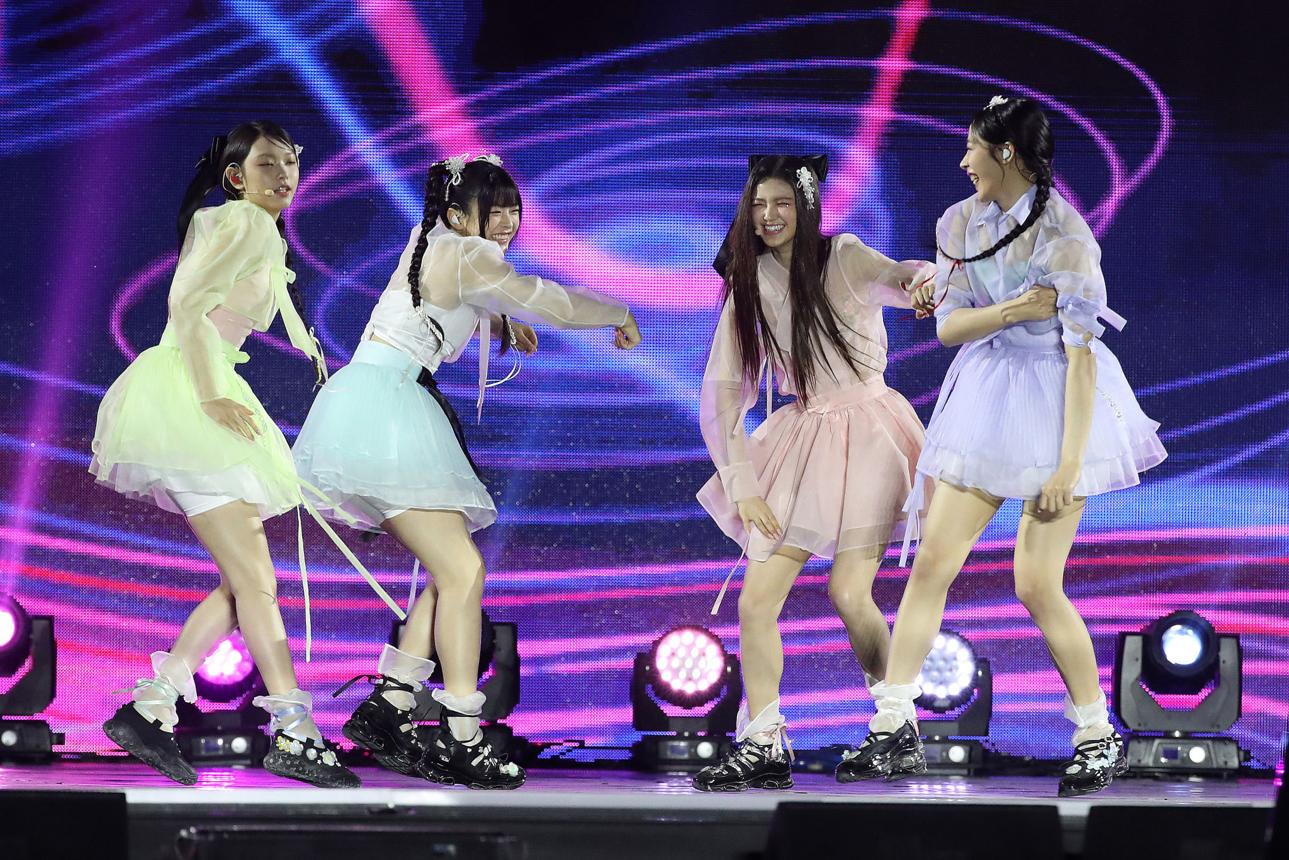
South Korea is preparing to launch its first comprehensive government survey into the treatment of underage K-pop idols in 2027, following growing concerns about demanding training schedules, restrictive contracts and the protection of young performers.
The announcement comes as the global K-pop industry faces renewed scrutiny over the working conditions of teenage artists, some of whom begin their professional careers as young as 13.
South Korea’s Ministry of Culture, Sports and Tourism confirmed on November 16 that it plans to investigate whether entertainment agencies are adequately protecting young artists’ rights to education, rest, sleep and personal well-being.
NewJeans Contract Controversy Raises Serious Questions
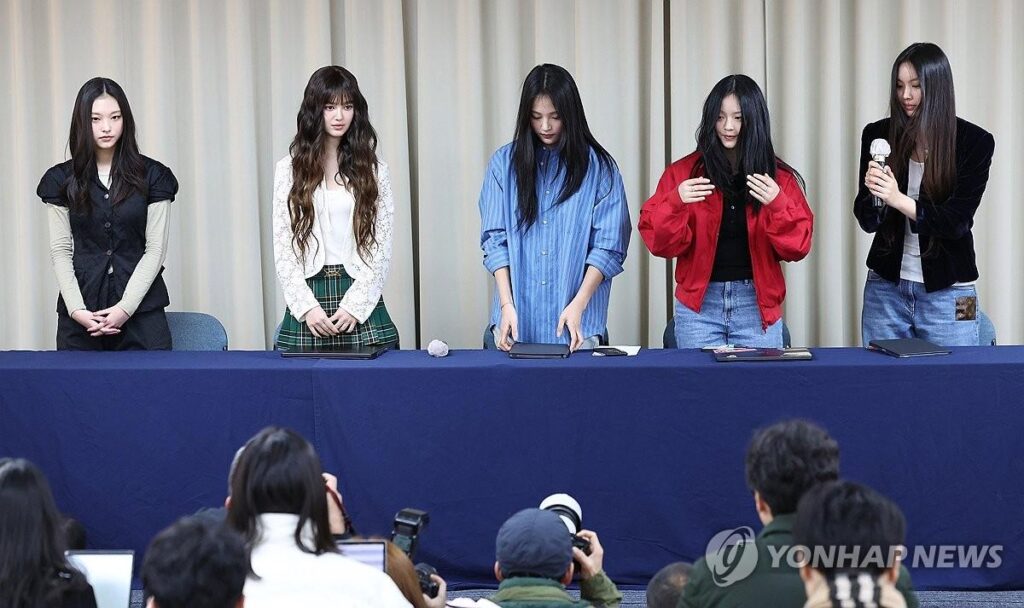
The decision follows renewed attention surrounding the contracts of K-pop group NewJeans, whose members were between 14 and 17 years old when they signed agreements with entertainment agency ADOR in 2022.
A recent investigation by The New York Times raised concerns about clauses that reportedly omitted protections included in South Korea’s standard entertainment contracts for minors.
The report also highlighted demanding rehearsal schedules, restrictions on personal activities and provisions involving expenses for cosmetic treatments during the members’ trainee years.
HYBE, ADOR’s parent company, has disputed allegations of wrongdoing, maintaining that the contracts were lawful and that additional agreements provided appropriate protections for the members.
The controversy has intensified discussions about whether existing regulations offer sufficient safeguards for young performers entering the highly competitive K-pop industry.
K-Pop Idols Are Debuting at Just 13 Years Old

The issue extends beyond NewJeans.
Recent reports have highlighted several new K-pop groups featuring unusually young members. All nine members of A2O LITE are under 19, including three who are just 13 years old.
Similarly, 13 of the 15 members of A2O SOUL, which debuted in October 2026, are minors.
These developments have raised concerns about how young performers balance rehearsals, recording sessions, concerts and promotional activities with school, physical health and personal development.
Although debuting at a young age is not entirely new to K-pop, the growing visibility of teenage performers has renewed calls for stronger industry protections.
What Will the Government Investigate?
The planned 2027 survey will examine how entertainment agencies manage underage artists and whether their basic rights are being respected.
The investigation is expected to assess the number and ages of young performers signed to agencies, their working conditions and the protection of their education, rest and well-being.
South Korean law already requires entertainment contracts involving minors to safeguard their physical and mental health, education, sleep and personal rights. Late-night work is also restricted, with certain exceptions.
However, concerns remain about how consistently these protections are implemented.
The government has also indicated that it will consider improving standard contracts and expanding psychological counselling and legal assistance for young entertainers.
Can K-Pop Protect Its Youngest Stars?
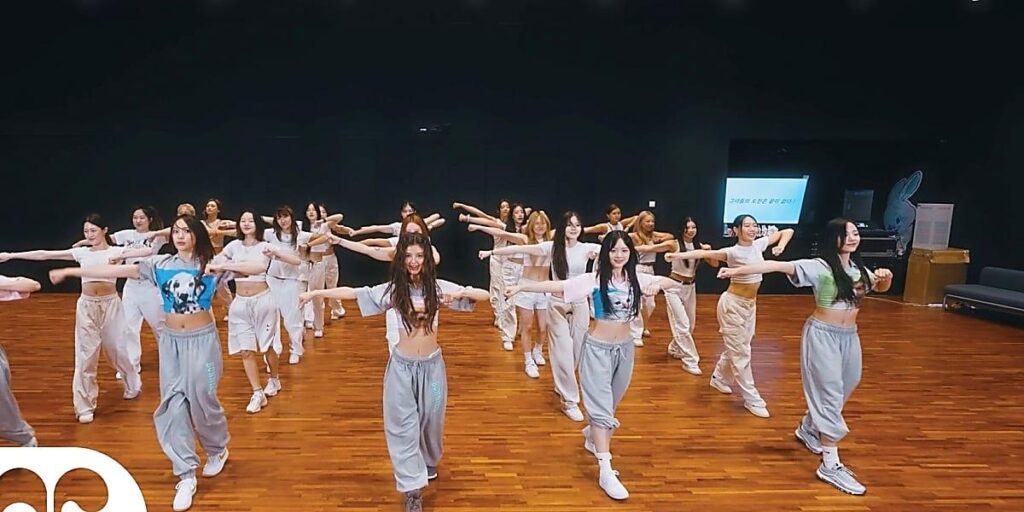
K-pop has become one of South Korea’s most successful cultural exports, attracting millions of fans worldwide through music, fashion, choreography and digital entertainment.
Behind the glamorous performances, however, many aspiring idols undergo years of intensive training before making their official debut.
For younger performers, balancing professional expectations with education, family life and personal development can present significant challenges.
The upcoming government survey could become an important step towards strengthening protections for young artists without limiting their opportunities to pursue careers in entertainment.
As South Korea prepares to examine the industry’s practices, the discussion raises a question that extends beyond K-pop: How young is too young to enter an industry where success often comes with extraordinary pressure?
With the investigation scheduled for 2027, attention will now turn towards whether the findings lead to meaningful improvements in the treatment of underage performers.
Image Credits and Disclaimer: All photographs, artist images and promotional materials accompanying this article belong to their respective photographers, entertainment agencies and rightful copyright owners. No ownership is claimed. Appropriate permissions or licences may be required before publication or reproduction.